


Wheat and Barley – The Golden Harvest
The fertile lowlands of South East Sorcha have been shaped by wheat and barley since medieval times, when monks and farmers first carved neat strips of arable land from the forests and marshes.
History
Industries
Wheat and Barley
Map
Wheat and Barley – The Golden Harvest
The fertile lowlands of South East Sorcha near Porth Oir have been shaped by wheat and barley since medieval times, when monks and farmers first carved neat strips of arable land from the forests and marshes. Early chronicles tell of miraculous harvests after prayers to St. Brigid, who became revered as the protector of grain. To this day, the first sheaf of either wheat or barley is ritually cut, bound, and woven into a corn doll, kept in cottages over the winter to ensure the fields’ blessing for the year ahead.
Wheat provided the flour for daily bread, while barley was the basis of hearty island ales and, later, distilled spirits. Together they became the backbone of Sorcha’s diet and trade. By the 17th century, fields of gold stretched across the lowlands, and surplus grain was shipped to Rathmor and Glynoch. The introduction of windmills and later water-powered mills improved yields dramatically, earning Sorcha the proud title of the “Granary of the Islands.”
Yet the abundance was not without hardship. Before modern transport, grain wagons struggled on rough tracks, and storms often ruined shipments bound for distant harbours. Farmers relied on local trade and modest surpluses, their livelihoods tied closely to the whims of weather and tide.
Everything changed with the arrival of the railway later in the 19th century. Grain could now be moved swiftly from inland farms to Porth Oir’s mills and harbour, reducing losses and opening new markets across the isles. Barley from Sorcha soon filled Rathmor’s breweries, while wheat sustained bakers, millers, and brewers across the archipelago. Larger mills sprang up beside the tracks, and farmers embraced new strains of grain, encouraged by the reliability of rail transport.
Today, wheat and barley remain inseparable from Sorcha’s identity. Harvest festivals each autumn fill villages with music, processions, and feasts where bread, ale, and cider are shared in abundance. Children still weave corn dolls, while farmers proudly show off sheaves of golden grain at community fairs. Both crops not only sustain Sorcha’s economy, but also nourish its soul, embodying the island’s enduring role as the breadbasket of the isles.
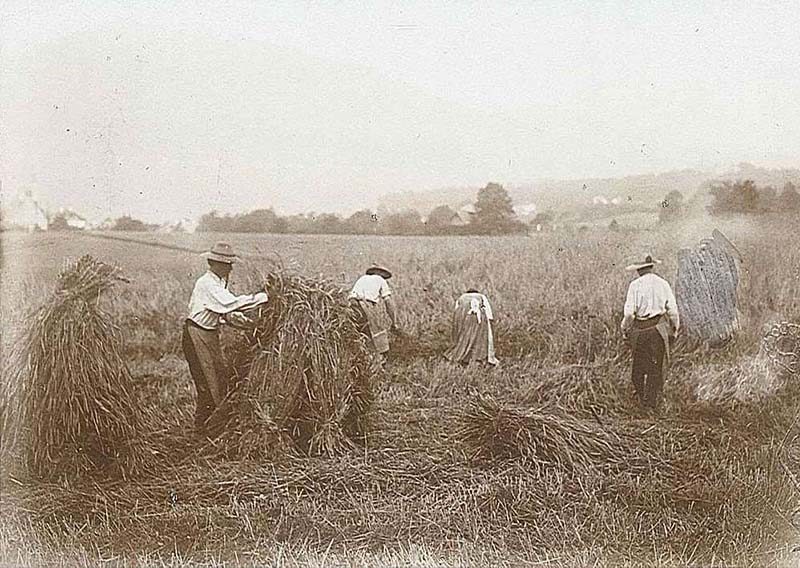
Porth Oir wheat harvest c1880
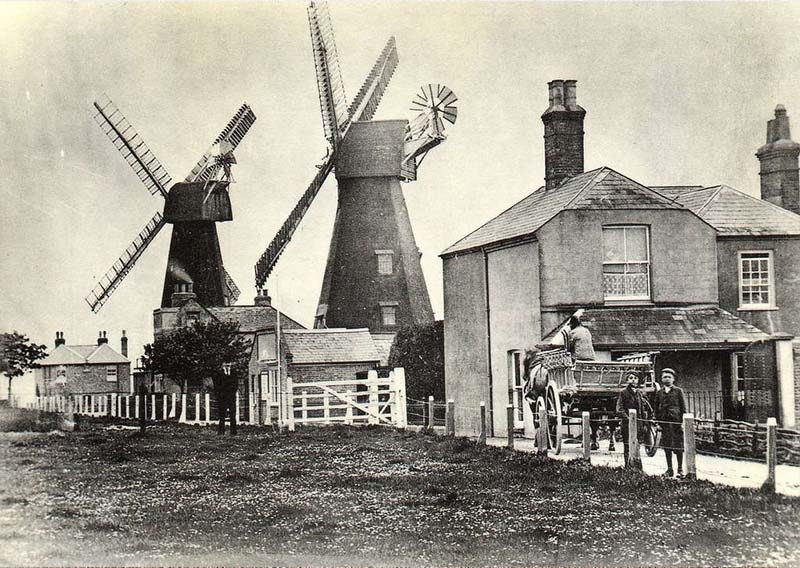
Windmills at Porth Oir c1900
History
Industries
Wheat and Barley
Map
Wheat and Barley – The Golden Harvest
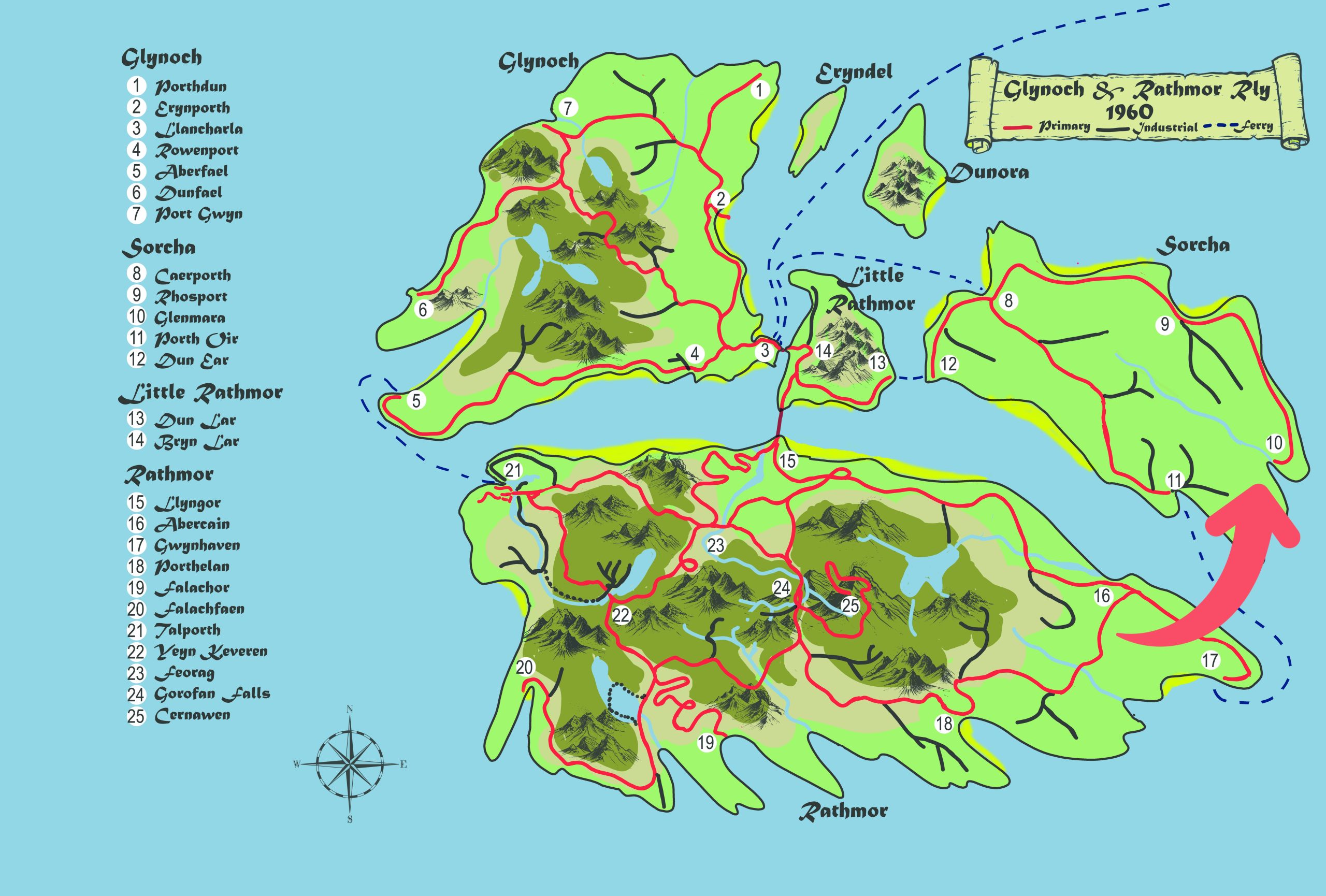
Located on the eastern lowlands or Sorcha
More Industries....