


China Clay on Glynoch
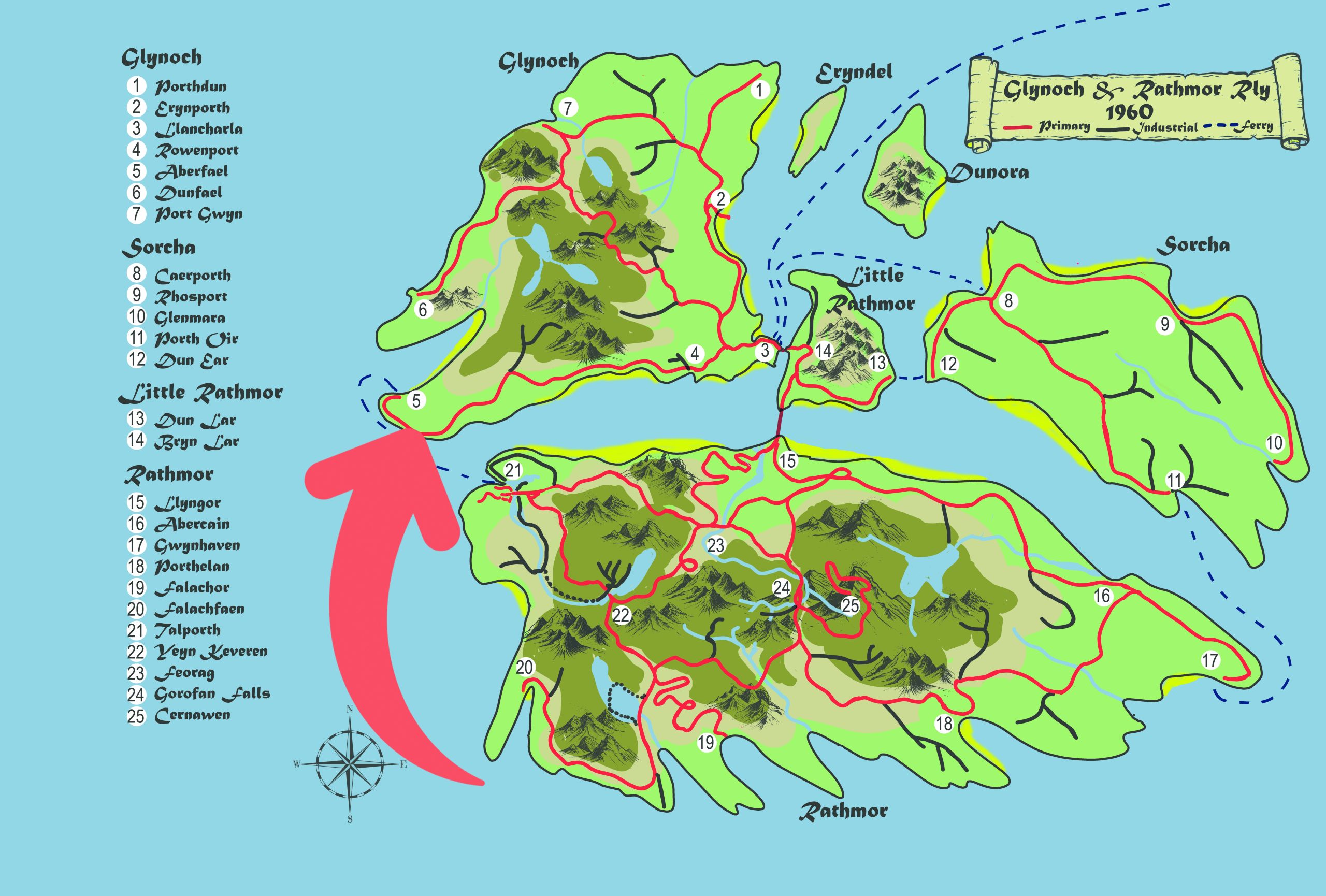
First discovered in the 18th century in the foothills above Aberfael, it quickly became a prized material for pottery and porcelain
History
Industries

China Clay
Map
China Clay on Glynoch
Beneath Glynoch’s rugged hills lies a treasure of a very different kind: china clay, or kaolin. First discovered in the 18th century in the foothills above Aberfael, it quickly became a prized material for pottery and porcelain. Local lore claims a shepherd stumbled upon the first deposits after noticing that rainwater running off a hillside left his flock ghostly white. From that discovery grew an industry that would reshape whole valleys.
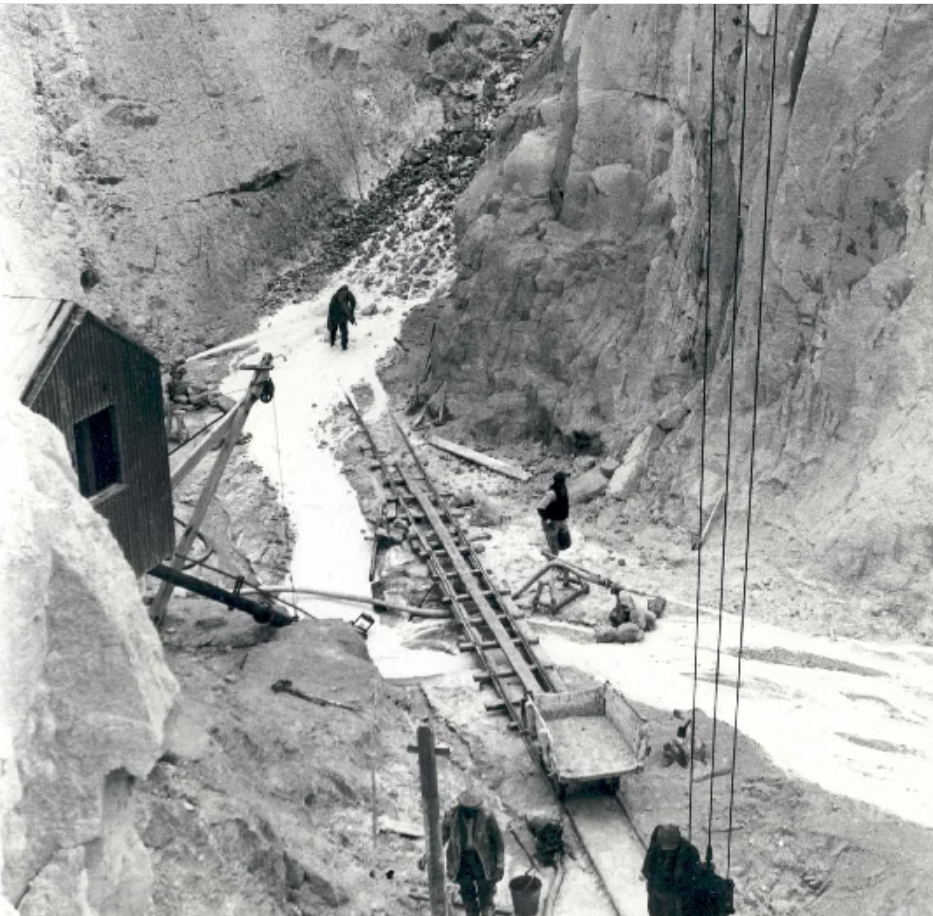
China Clay - Aberfail
The early pits were small, dug by hand and carried away in sacks, but demand soon surged. By the 19th century, great white scars streaked Glynoch’s southern landscape, and communities sprang up around the pits. Workers toiled in clouds of fine dust, their skin and clothes permanently dusted white, earning them the nickname “ghost men” in local songs. The work was hard, but wages were steady, and the industry supported schools, chapels, and shops in towns that would otherwise have withered.
The railway proved decisive. Heavy loads of clay could now be hauled efficiently to Llanchala for export. Rathmor’s pottery works thrived on Glynoch’s clay, and shipments even reached mainland markets, giving the island a global connection.
As the papermills have grown up, mainly thanks to the Esparto Grass praries on the reclaimed plains of northern Rathmor, the china clay industry has found a new market as a key ingrediant in the making of premium paper products, giving a pure white look and silky feel.
Even today, china clay remains part of Glynoch’s identity. Though modern extraction is smaller in scale, the pits and spoil heaps stand as monuments to the centuries when Glynoch’s white earth traveled far beyond its shores.
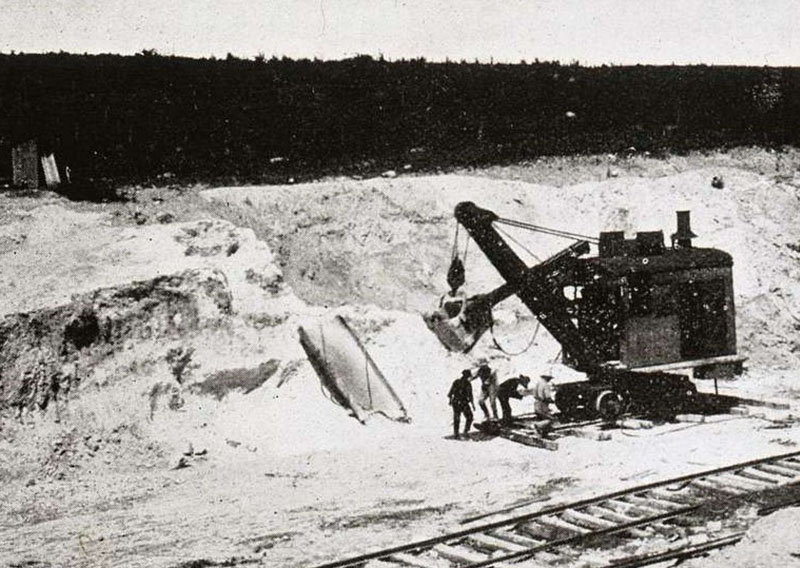
China clay extraction- Aberfael c1920
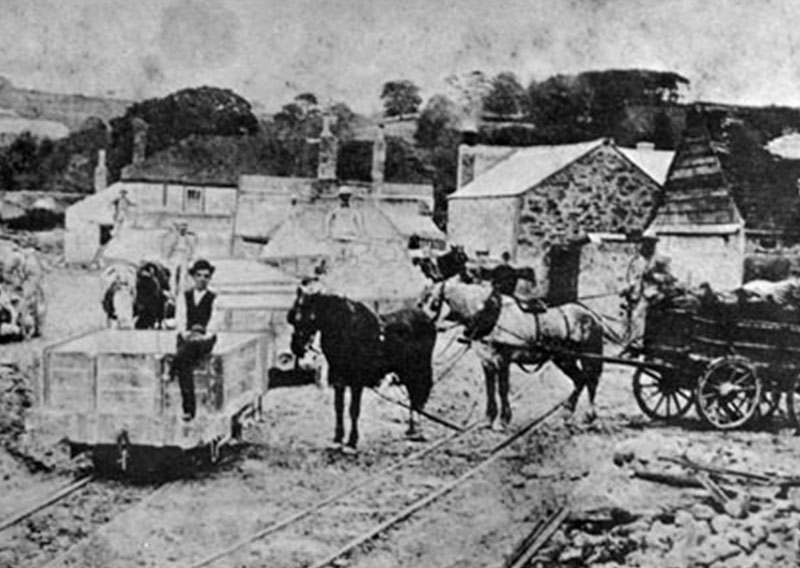
Early china clay extraction - Aberfael
History
Industries
China Clay
Map
China Clay on Glynoch
Located in the foothills of south Glynoch
More Industries....