




1885: Disaster at the Seven Tunnels!
25th October: Saturday night's extraordinary storm destroys nearly half a mile of railway formation works for the new Falachfaen extention...
Great Storm Wrecks Falachfaen Railway
On the night of 24–25 October 1885, one of the most destructive storms in Rathmor's railway history struck the unfinished Falachfaen coastal railway. Nearly half a mile of railway formation and associated works was destroyed or seriously damaged as enormous seas breached protective walls, swept away sections of track and battered the exposed approaches to the famous Seven Tunnels. The disaster threatened the future of an already expensive and controversial railway project, raising serious questions about whether the route could ever be completed.
Our reconstructed newspaper report, dated 26 October 1885, tells the story as readers of the time might have encountered it.

Hatherleys Ledge severely damaged 1875
Caerwyn Chronicle, October 26th 1875
Disaster at the Seven Tunnels! Works Devastated, Sea Walls Breached
The full extent of the destruction wrought by Saturday night's extraordinary storm is only now becoming apparent, as engineers and railway officials struggle to assess the damage along the unfinished Falachfaen coastal railway. The gale, which reached its greatest violence during the night of the 24th and the early hours of Sunday the 25th, drove enormous seas against the exposed cliffs of Rathmor. Waves of exceptional force broke over the unfinished railway works, overwhelming sea walls and carrying away great quantities of stone, timber and newly laid permanent way. Reports received yesterday suggest that nearly half a mile of railway formation and associated works has been destroyed or rendered unfit for use. The greatest destruction is concentrated upon the celebrated Seven Tunnels section, where the railway has been carried through a succession of rocky headlands, emerging at intervals upon narrow ledges immediately above the sea. Particularly severe damage has occurred at Hatherley's Shelf, the exposed section between Black Rock Tunnel and Gull's Nest Tunnel, where the force of the waves appears to have overwhelmed the protective masonry and swept substantial portions of the railway formation into the water below.
A Night of Terror on the Rathmor Coast:Hatherleys Shelf Laid to Waste
Those who have visited the scene describe a spectacle of extraordinary devastation. Where only days ago stood carefully constructed retaining walls and a nearly completed railway formation, there now lie heaps of broken masonry, displaced rails and shattered timber. Sections of the sea wall have been completely breached, while elsewhere the masonry has been undermined to such an extent that further collapse is feared. At several points, the sea has scoured away the material supporting the railway, leaving portions of track suspended above empty space. The exposed tunnel approaches have suffered particularly badly. Engineers fear that water penetrating behind the retaining structures may have weakened foundations beyond the immediately visible damage. One railway workman, speaking after the first inspection of the line, described the scene:
We had spent months putting that wall together, stone upon stone, and thought there was nothing the sea could do to shift it. But on Sunday morning there was scarcely a wall left to speak of. The rails were hanging over the rocks, and great blocks of masonry had been thrown about as though they were children's toys.
The man's name has been withheld, but his account is said to reflect the astonishment of many who have worked upon this difficult undertaking.

Location of the Seven Tunnels on the south coast route to Falachfaen
The Seven Tunnels
The damaged section forms part of one of the most remarkable engineering undertakings yet attempted upon the islands. Known collectively as the Seven Tunnels, the works comprise:
- - Trevelyan Tunnel No. 1
- - Trevelyan Tunnel No. 2
- - Trevelyan Tunnel No. 3
- - Keveren Tunnel
- - Black Rock Tunnel
- - Gull's Nest Tunnel
- - Storm Point Tunnel
These tunnels carry the railway through a succession of headlands where the coastline offers few opportunities for a conventional inland alignment. Between the tunnel mouths, the engineers have been obliged to construct narrow artificial ledges, substantial retaining walls and protective sea defences, frequently working in conditions made hazardous by the weather and the proximity of the sea. The section has long been regarded as the most difficult and expensive portion of the Falachfaen undertaking. Saturday night's catastrophe has demonstrated, in the most alarming fashion, the extraordinary forces against which its engineers must contend.
Mr Hatherley Inspects the Damage
Mr. Edward Trevithick Hatherley, the veteran engineer whose name has become closely associated with the coastal alignment, is understood to have commenced a detailed examination of the damaged works. Mr. Hatherley brings considerable experience to the undertaking, having served as a young engineer within the organisation responsible for Mr. Brunel's South Devon Railway. His familiarity with railway construction along exposed coastlines has been frequently cited by supporters of the Falachfaen route. Nevertheless, the destruction has prompted renewed criticism of the decision to carry the railway so close to the sea. Some observers contend that the storm has demonstrated the fundamental weakness of the alignment, while others maintain that the disaster arose from insufficient protection of works not yet completed. It is understood that the engineers will examine not merely the visible breaches but the condition of the foundations, drainage arrangements and tunnel approaches throughout the affected section. No reliable estimate of the total cost of restoration has yet been made public.
A costly Blow to an Ambitious Railway
The Falachfaen extension has already acquired a reputation as one of the most expensive and troublesome railway undertakings in the Caerwyn Isles. Its promoters have faced formidable difficulties in carrying a line through the broken and precipitous coastal country, where every cutting, embankment and tunnel demands substantial expenditure. The storm now threatens to impose a further burden upon an enterprise whose financial prospects have frequently been questioned. Much of the damaged work must apparently be reconstructed, and there are fears that portions of the route may require considerably stronger protective works than those originally contemplated. The interruption is also expected to delay progress upon neighbouring sections while men and materials are diverted to the emergency. For the communities awaiting the completion of the railway, the news has caused profound disappointment. Many had looked forward to the opening of the coastal route as a means of improving communication, encouraging commerce and bringing greater prosperity to settlements long isolated by the difficult terrain.
Rebuild or Abandon?
The catastrophe has inevitably revived the question which has haunted the Falachfaen undertaking almost from its inception: can this railway ever be completed at a reasonable cost? Critics argue that the enormous expense of constructing and maintaining a railway upon such an exposed coastline cannot be justified. Some have already suggested that the damaged section should be abandoned altogether, even if doing so would require a reconsideration of the proposed route. Supporters of the railway take a different view. They maintain that the disaster, however severe, is not proof that the coastal alignment is impracticable, but rather that stronger sea walls, improved drainage and more substantial retaining works will be necessary. For his part, Mr. Hatherley is understood to remain confident that the route can be made secure, although the measures required may prove considerably more extensive than first anticipated. The coming weeks will therefore be of the greatest importance. Upon the conclusions of the engineers, and the willingness of the railway's financial supporters to meet the additional expense, may depend the future of the entire Falachfaen coastal line. For the present, the shattered masonry and broken rails of Hatherley's Shelf stand as a grim reminder that, upon the shores of Rathmor, the sea remains a formidable adversary.
What Happened Next?
The Great Falachfaen Storm of 1885 did not ultimately bring an end to the coastal railway. The Falachfaen extension had originally been undertaken by the Rathmor Railway, but the wider railway reorganisation of 1885 brought the unfinished and financially troubled project into the emerging Glynoch & Rathmor Railway organisation. Although the disaster added substantially to the difficulties and expense of construction, the G&R eventually retained Edward Trevithick Hatherley's basic coastal alignment while undertaking major improvements to its sea defences, retaining structures, drainage and tunnel approaches. The reconstruction programme that followed would prove both extensive and costly, with the works requiring substantially stronger protection against the sea than had originally been envisaged. The railway finally reached Falachfaen on 27 September 1890, almost five years after the storm, completing one of the most challenging railway construction projects in the islands' history. The battered Seven Tunnels section would become both a monument to the determination of its builders and an enduring reminder of the dangers faced by railway engineers along Rathmor's exposed coast.
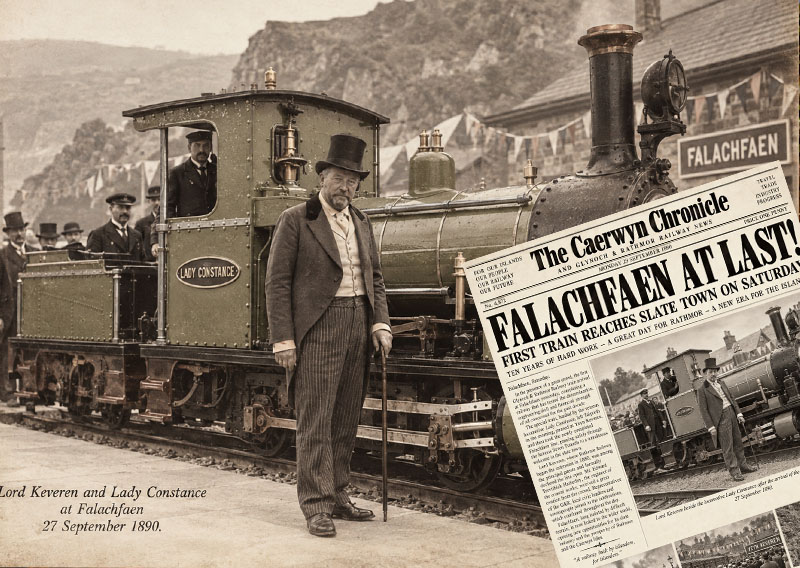
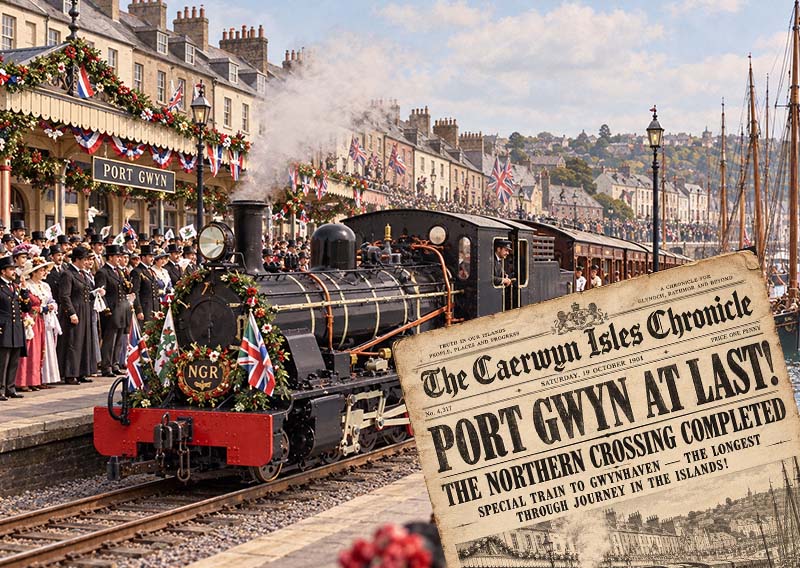
Discover how the railway finally overcame its difficulties in our story from 27th september 1890....'Falachfaen at Last!
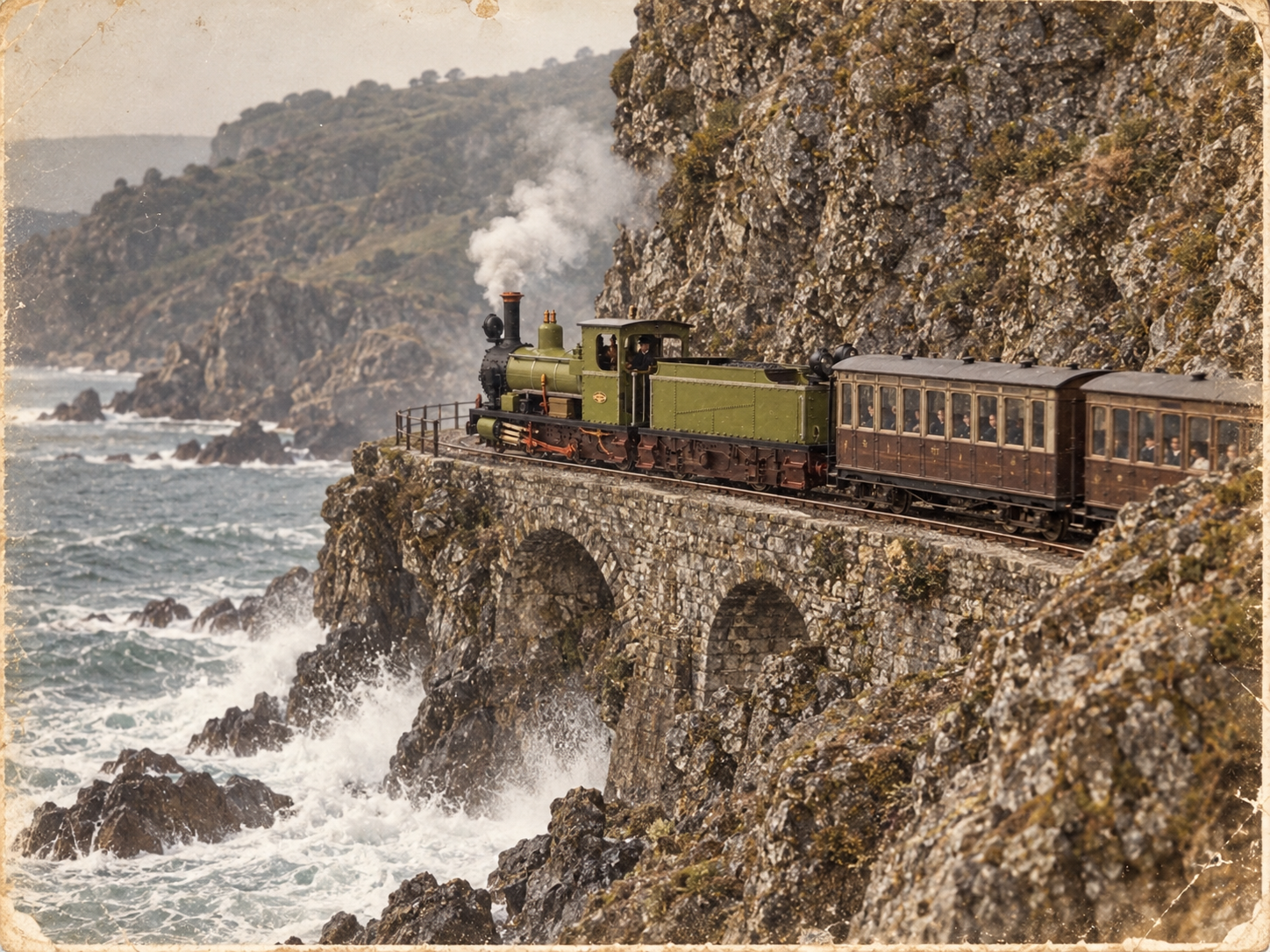
Lady Constance at Hatherleys Shelf, 1890
Related Articles...
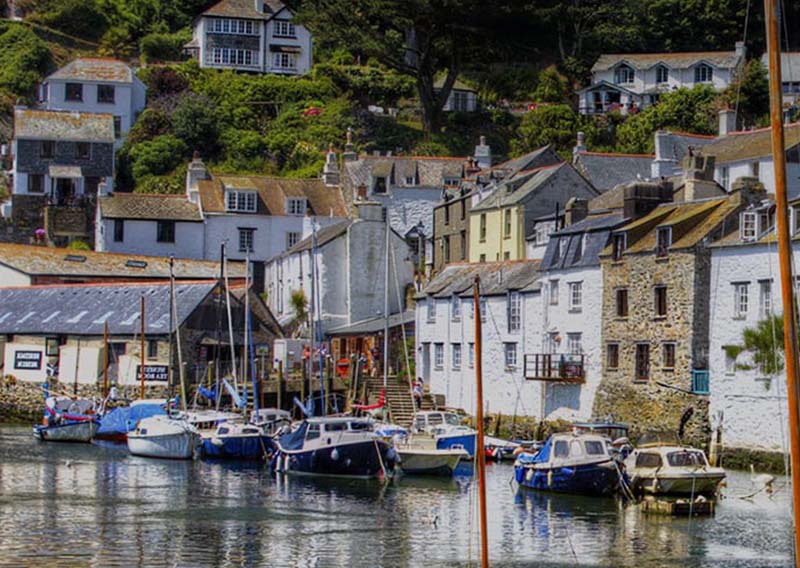

The Defence Lands of South-West Rathmor
The south-western tip of Rathmor, with its secluded Falachfaen Peninsula […] ...
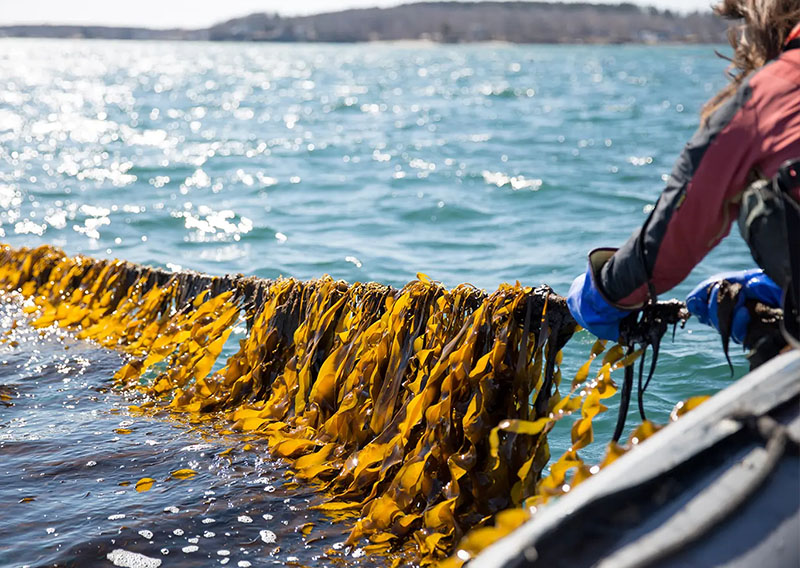
Seaweed Farming in Falachfaen
The region’s cold, nutrient-rich waters support vast natural forests of […] ...

Railways of Rathmor
Rathmor’s railways are feats of daring engineering, snaking up cliff-sides, […] ...
...View All

0 Comments