


3. Llanchala History
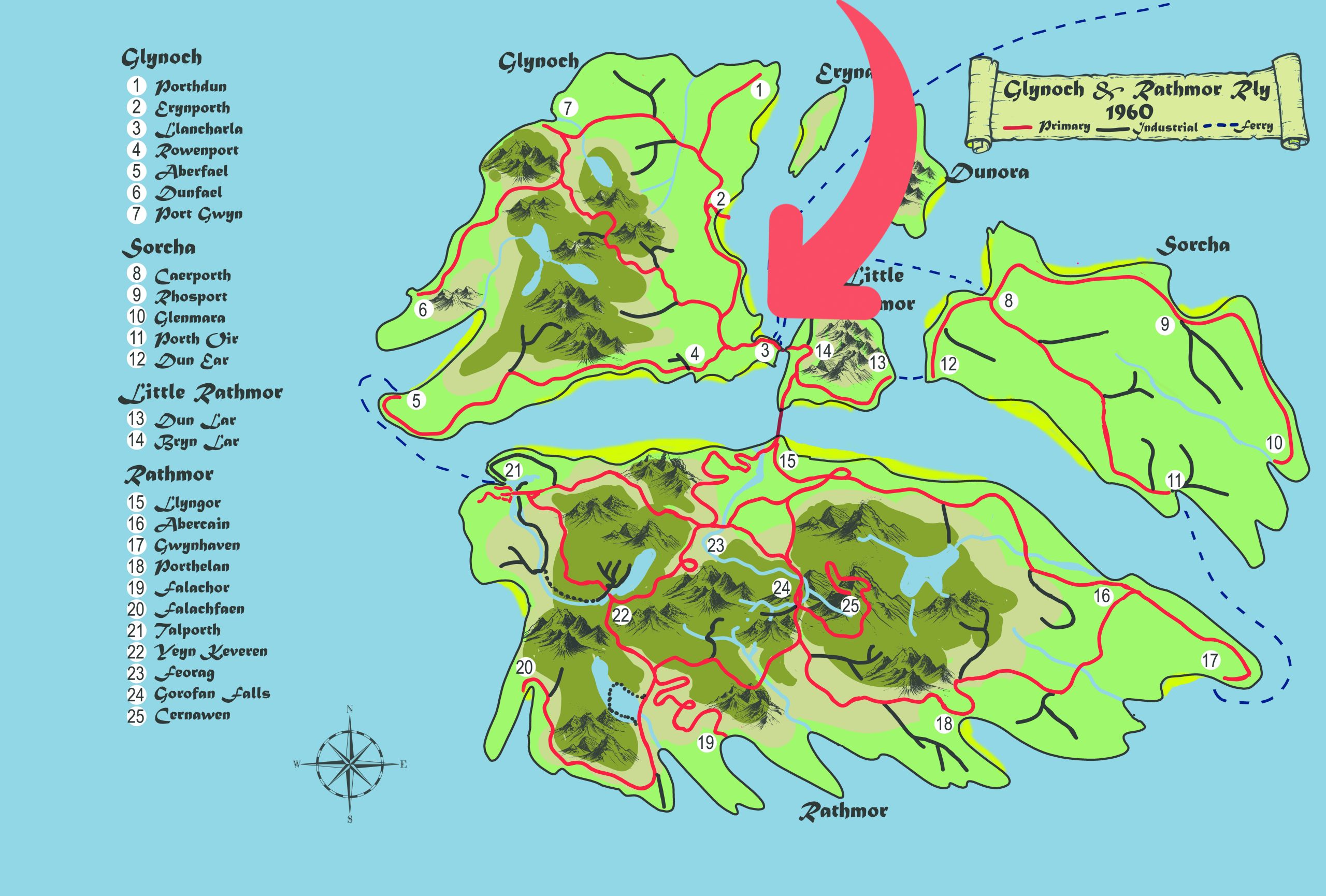
The largest town on the islands. The geographic and administrative center with the large harbour acting as the hub of all imports and exports.
History
Towns
Llanchala
Llanchala Maps
Llanchala
Llanchala (LAN-kar-la) — From Llan as in "church/sacred place" and Charle "celtic sea goddess"
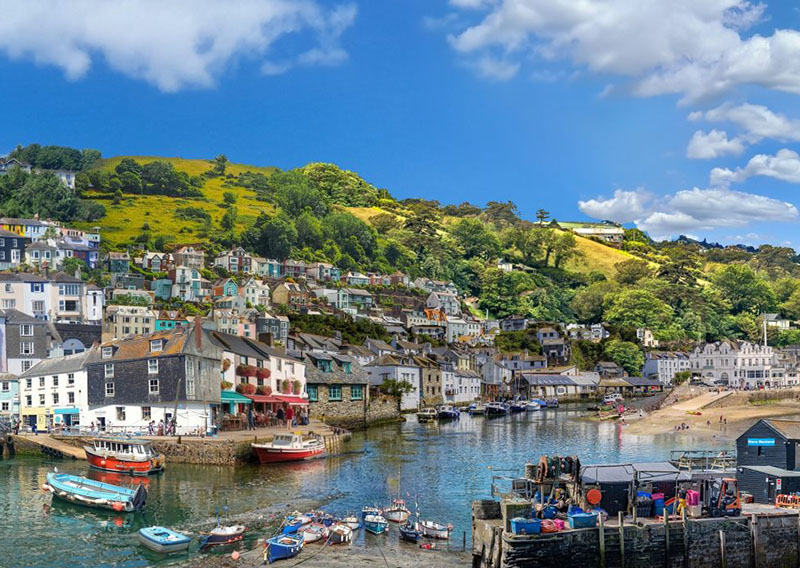
The major industrial port town on the southern coast of Glynoch, known for its iron and steel production and the famous Llanchala Smoked Kippers.
Llanchala
Inner basin- Llanchala
1920's advert
Llanchala grew from a fishing settlement into the industrial powerhouse of the isles. Its natural harbour provided ideal conditions for shipping out iron ore and shipping in coal. Discovery of iron ore in the central highlands gave rise to a thriving metalworking tradition. By the early 19th century, the Llanchala Iron and Steel Works dominated the skyline, its furnaces glowing through the night as molten metal poured into moulds that would shape the future—rails, locomotives, and machinery that built the very bones of the islands’ railway empire.
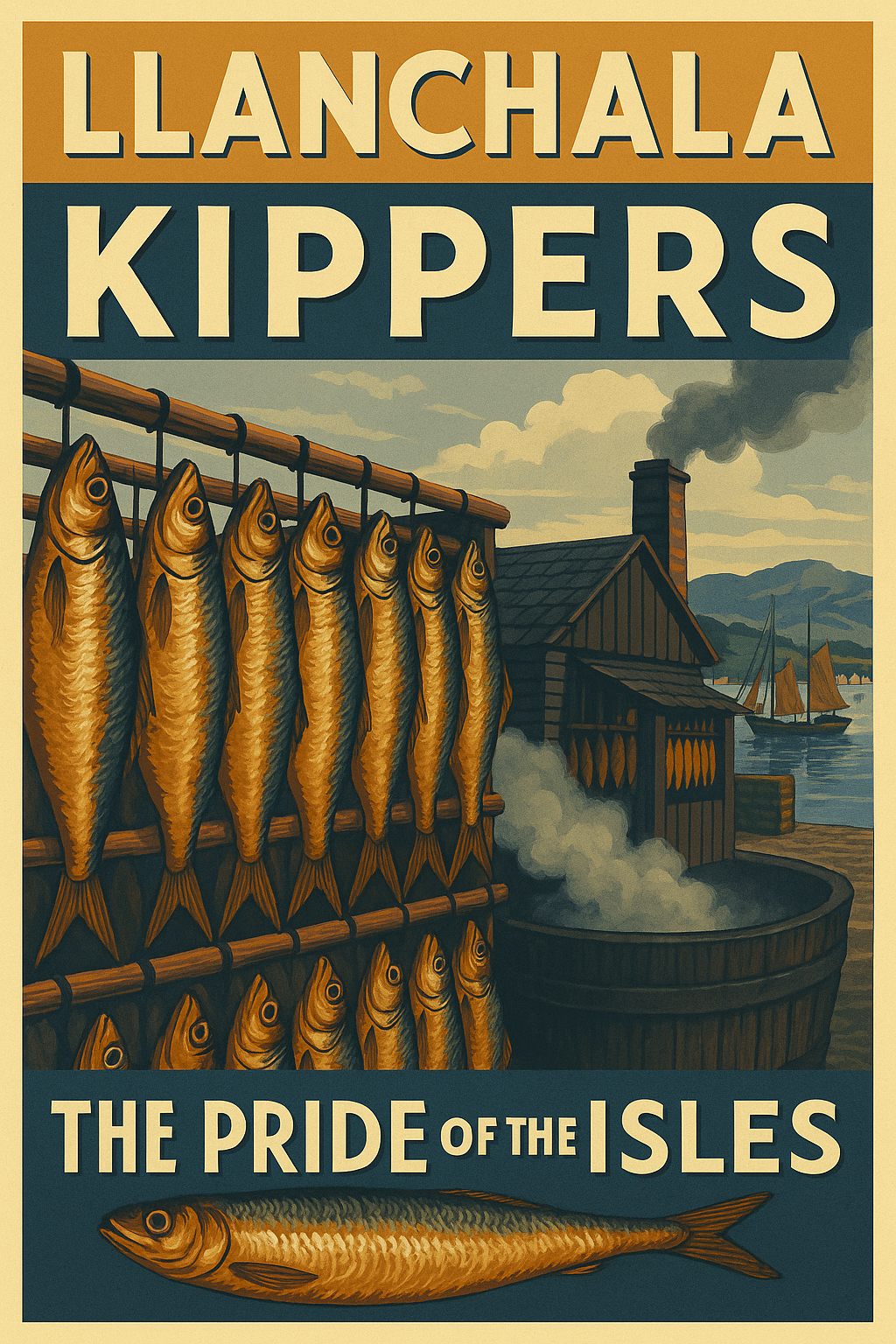
The second great industry of Llanchala is its smoked kippers—a delicacy born from necessity and perfected by craft. Generations of fishers have worked the surrounding waters, their catches brought daily to long, low smokehouses near the docks. There, the herring are salted, hung on wooden rods, and slowly smoked over oak and beech fires, filling the air with their unmistakable aroma. Llanchala Kippers became famous far beyond the islands, shipped in barrels to the mainland and even as far as Scandinavia.
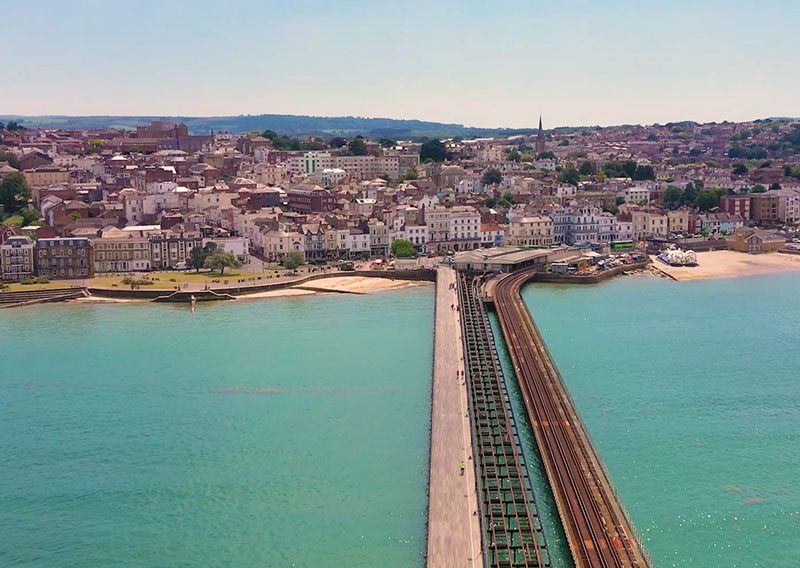
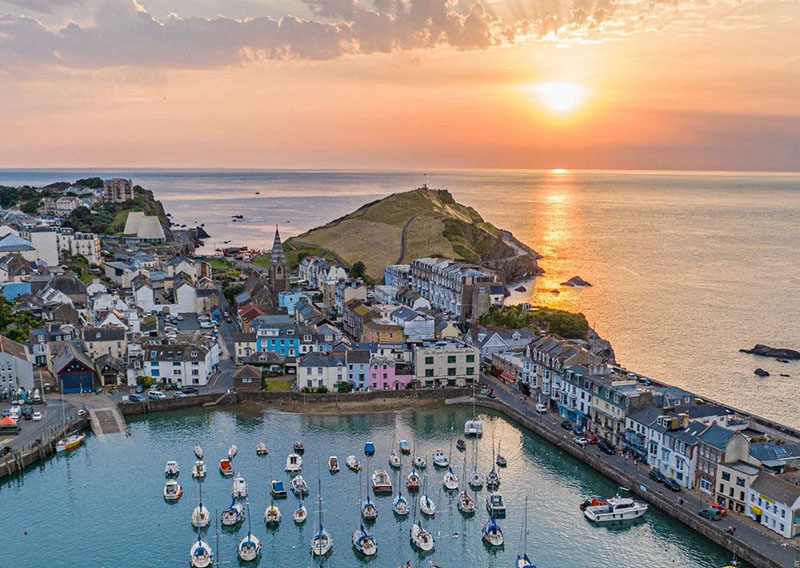
The town itself is a vibrant mix of colourful workers’ terraces, bustling markets, shops and businesses. Despite its industry, there’s a fierce pride in Llanchala’s traditions—an identity forged in smoke and steel, tempered by the sea, and forever tied to its role as the islands’ industrial heart.
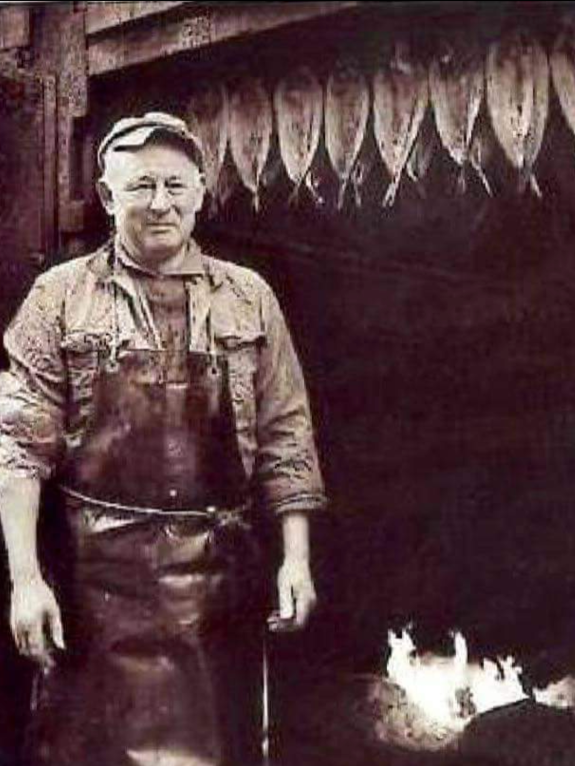
Llanchala Kippers
The Smoked Kippers of Llanchala
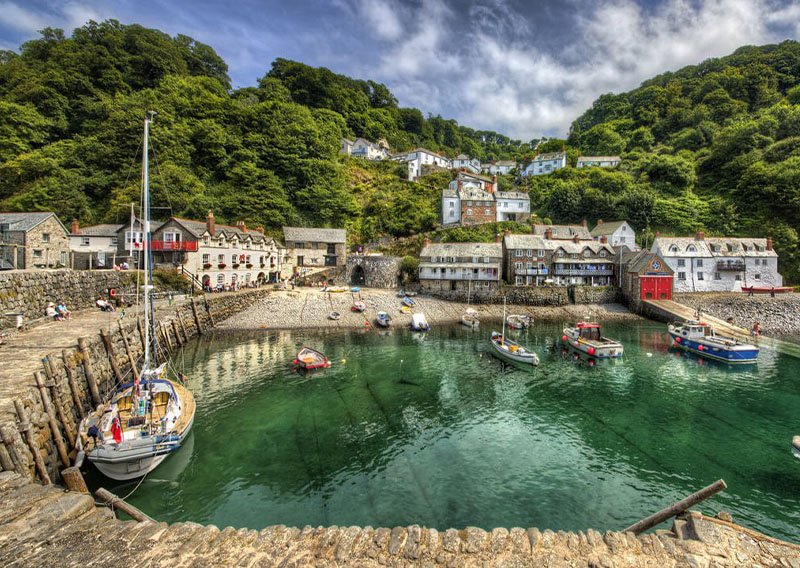
Few aromas are as evocative of the sea as the gentle, woodsmoke-sweet scent that drifts across the quays of Llanchala, home of the island’s famed smoked kippers. This proud industry, now one of the Rathmors greatest exports, began in humble form centuries ago, when fishermen first sought a way to preserve their abundant herring catch during long winters and uncertain weather. The technique of curing and smoking the fish was likely brought by Norse traders, who stopped at Llanchala’s sheltered harbour on their voyages south.
The earliest smokehouses were simple stone huts near the shoreline, their chimneys built low to trap the smoke and allow the fish to dry slowly over smouldering peat and driftwood fires. By the early 18th century, Llanchala’s kippers were already gaining renown across the islands for their rich, golden colour and delicate balance of salt and smoke. Traders from Britain and mainland Europe came by boat to buy barrels of the preserved fish, which were prized for their flavour and longevity.
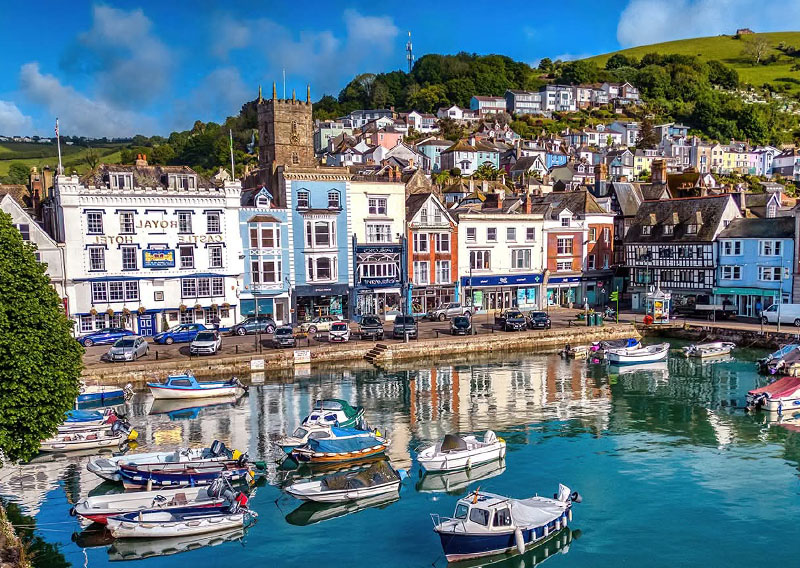
With the coming of the railway in the 19th century, the industry transformed. Fish could now be transported fresh from coastal nets across the islands to the Llanchala smokehouses within hours, and the finished kippers shipped to markets across Britain and the continent. The Llanchala Smokehouses, clustered around the Old Harbour, grew into a thriving trade. Rows of herring, split and salted by hand, hung from long wooden rods above the slow-burning fires—each fish tended with care and tradition. Families often worked side by side for generations, and recipes for the brine and wood mixture were closely guarded secrets, passed down through father to son.
Today, the process remains much the same, though the scale has grown. Modern kilns mimic the gentle curing of the old peat fires, and the Llanchala Kipper has earned a Protected Origin Status for its heritage method. Visitors to the harbour can still watch master smokers at work, the air thick with the scent of oak and sea salt. Kippers from Llanchala are shipped across the world, from London’s finest hotels to markets in Europe and Japan, carrying with them the taste of sea, smoke, and centuries of island tradition.
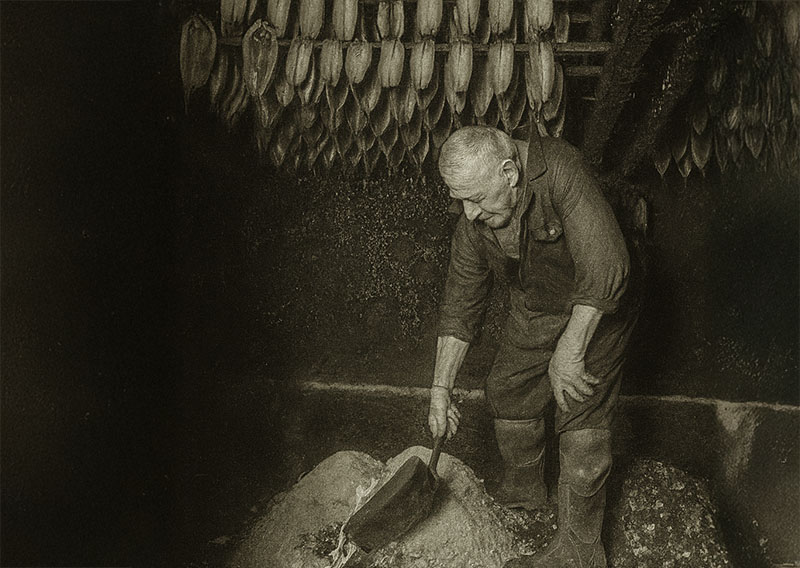
Llanchala Kippers c1950
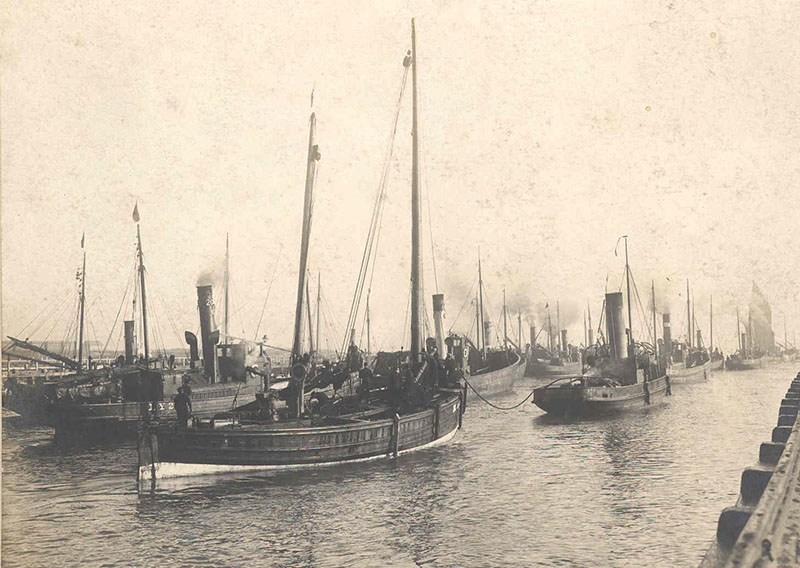
Herring Drifters - Llanchala c1880
Iron Ore of Glynoch
Iron ore is Glynoch’s gift to the industrial age. While small workings existed as far back as the medieval period—blacksmiths digging ore from shallow pits to fashion tools and weapons—the real boom came in the 18th and 19th centuries. Vast seams of ore were discovered in the island’s interior, and whole towns grew around the mines. Local folklore tells of “The Red Men,” spirits of miners who glowed faintly in the dark, guiding the living to rich seams or warning of collapse. Miners often scratched protective runes into their lamps before descending, blending ancient superstition with industrial labour.
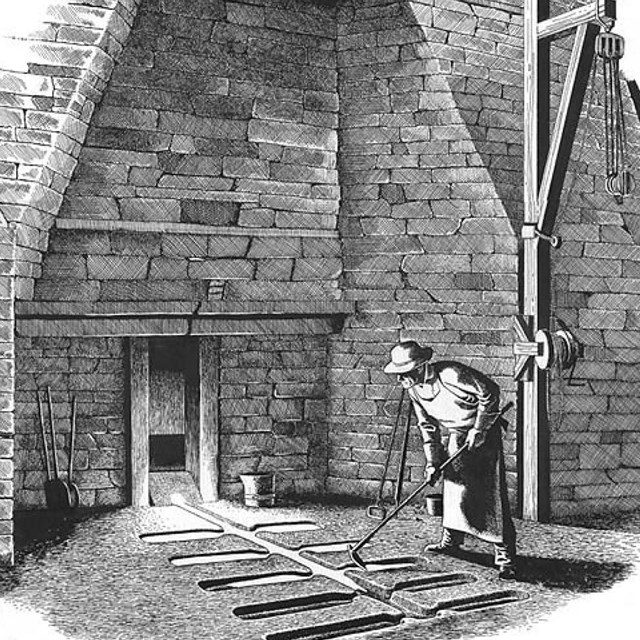
Llanchala Iron Foundry c1850
The ore was the lifeblood of progress. Smelted in furnaces, it became rails, engines, ships, and tools. Glynochs growing factories and shipyards demanded more than ever, and the iron ore mines supplied it faithfully. The arrival of the railway made this trade viable on a vast scale: heavy wagons of ore thundered down new industrial spurs, connecting mines directly to the ironworks and the harbour at Llanchala. Whole communities found steady work, albeit at the cost of dangerous conditions and grueling hours.
By the late 19th century, Glynoch’s iron helped build the very railways that carried it, a cycle of industry feeding itself. Though many mines have since fallen silent, the legacy of iron remains etched in the island’s identity—hard, resilient, and forged by fire.

Glynoch Iron Ore Co
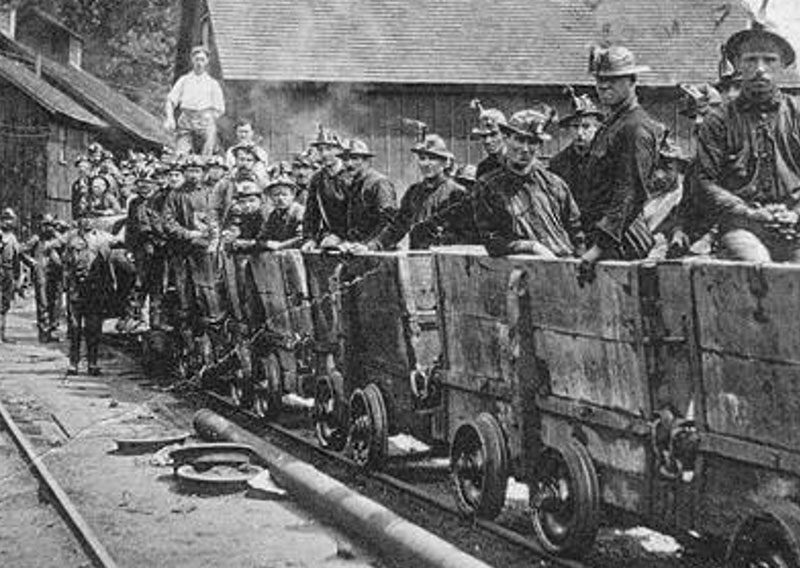
Iron ore workers on Glynoch
The Railways of Llanchala
The story of Llanchala is inseparable from the story of the railways. In 1855, the Glynoch Minerals Railway Company laid the first tracks westward from Llanchala into the mineral-rich hills of southern Glynoch. Their goal was simple: to connect the region’s mines—copper, tin, and iron ore—to the coast. The real prize, however, was the link to the vast iron deposits of the central highlands.
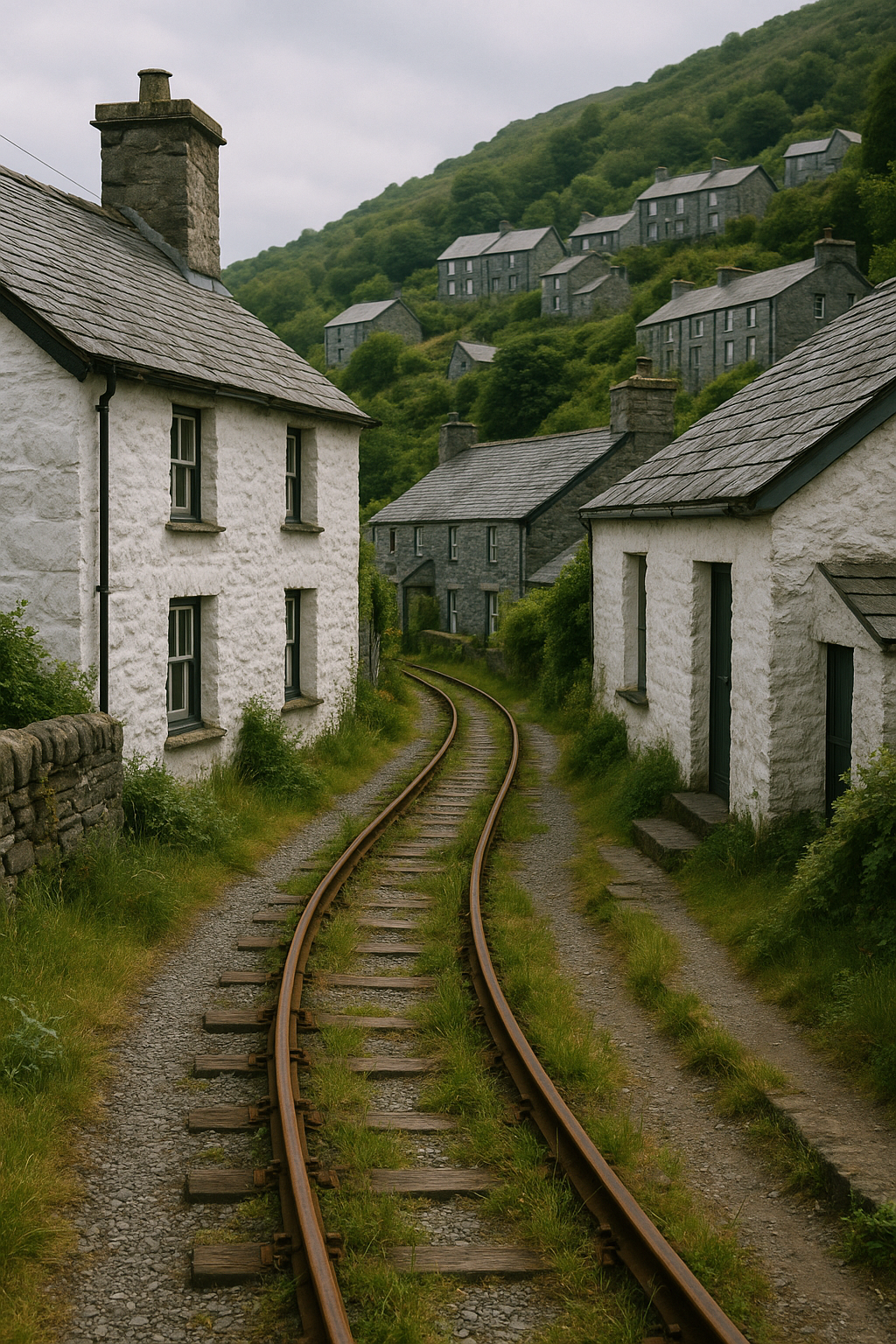
Squeezing through Llanchala c1950
Once connected, Llanchala became both the producer and supplier of the islands’ lifeblood. Its ironworks began turning out rails almost faster than they could be laid. Between 1855 and 1900, over 300 miles of track were produced here, each length of steel stamped with the foundry’s name—a quiet claim of ownership over the islands’ progress.
The railways transformed Llanchala from an industrial town into the logistical center of the isles. China clay thundered in from the west, ore wagons rolled down from the highlands, and passenger trains fanned out in every direction. When the Llyngor Bridge opened in 1885, spanning The Straights to Rathmor, Llanchala became the literal and symbolic heart of the network.
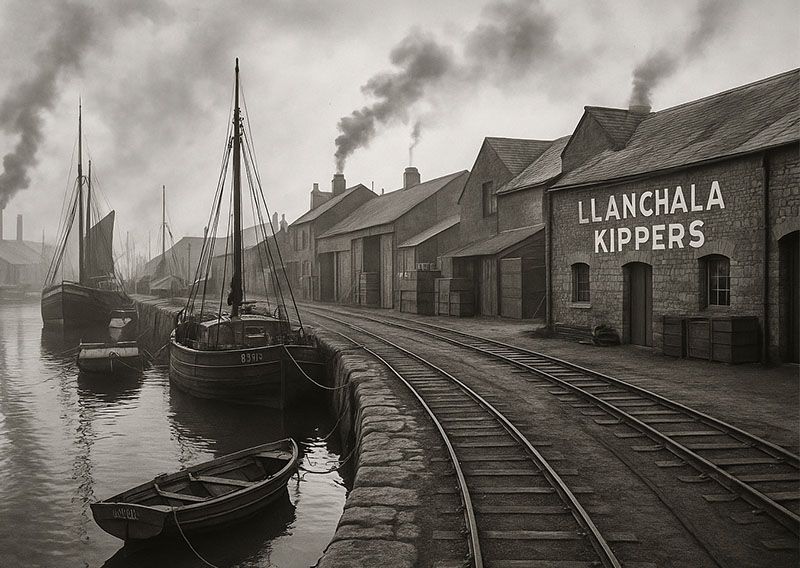
Llanchala wharves c1900
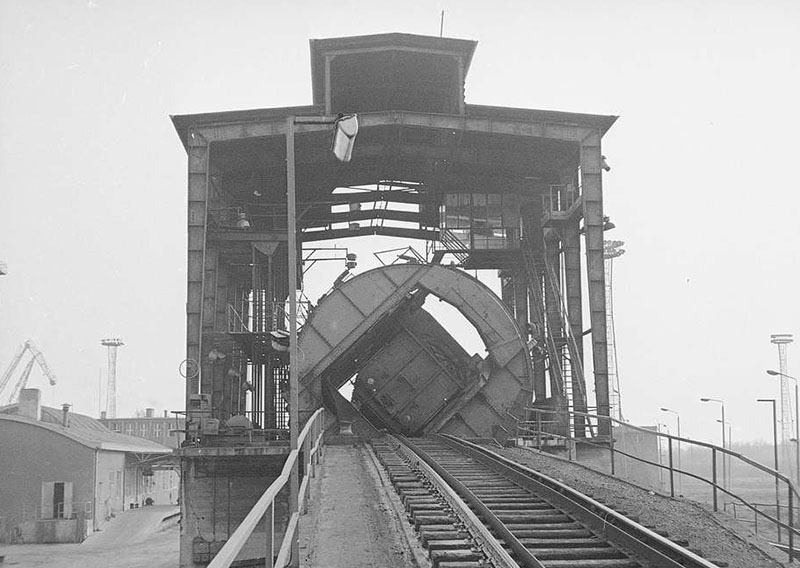
Rotary Ore Tipper - Llanchala Harbour
History
Towns
Llanchala
Llanchala Maps
Llanchala
The heart of the islands