


2. Erynporth History
Once a humble fishing village, it became the heart of seaside holidays after the building of its grand pier
History
Towns
Erynporth
Erynporth Maps
Erynporth
Erynporth (ERUN-por) – Erynporth’s very name means 'Harbor of Silver', a reference to the annual herring run known locally as the Silver Tide.
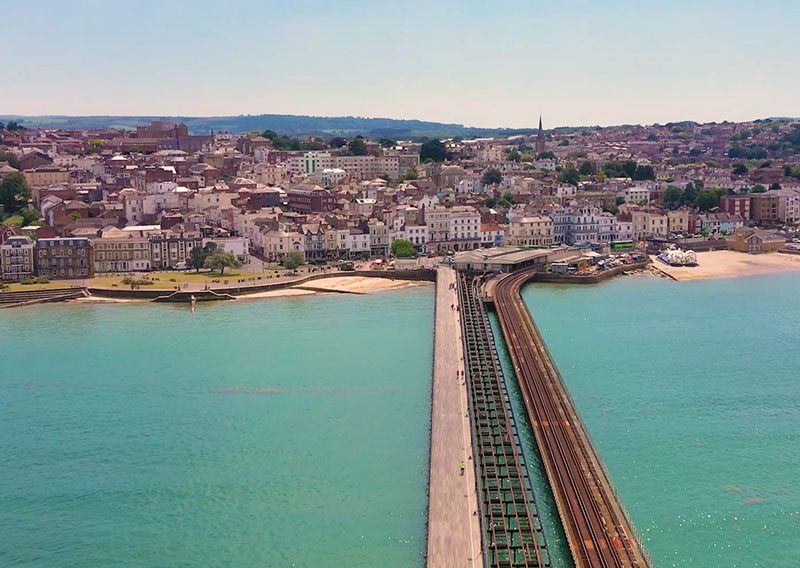
Erynporth 1980
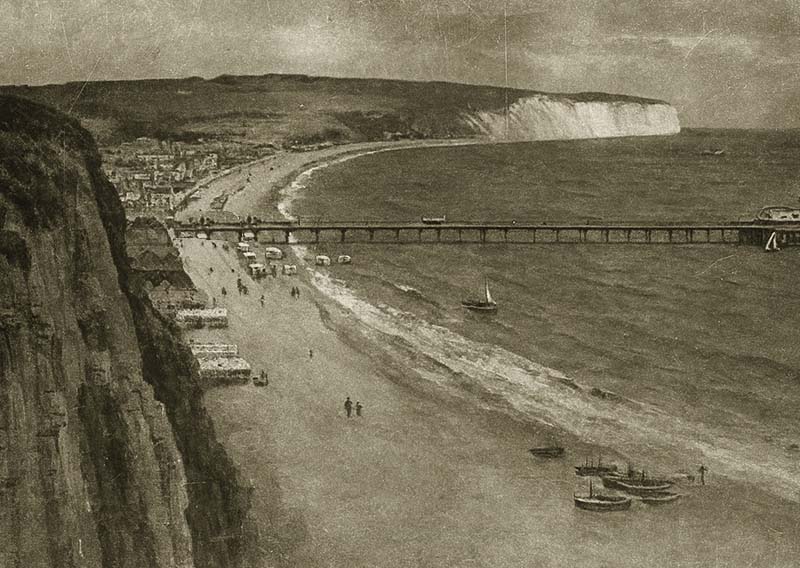
Erynporth Seafront c1900
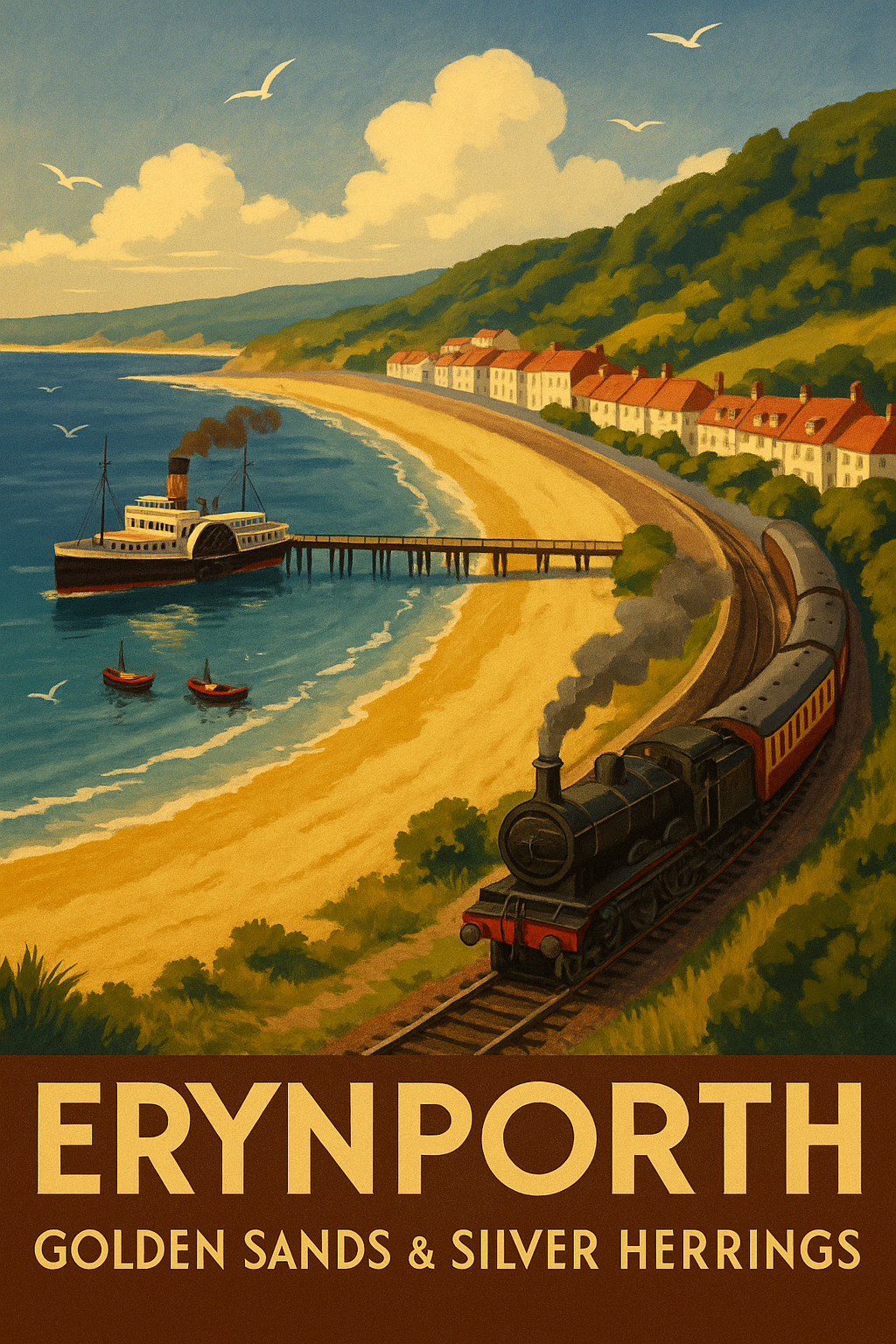
1920's advert
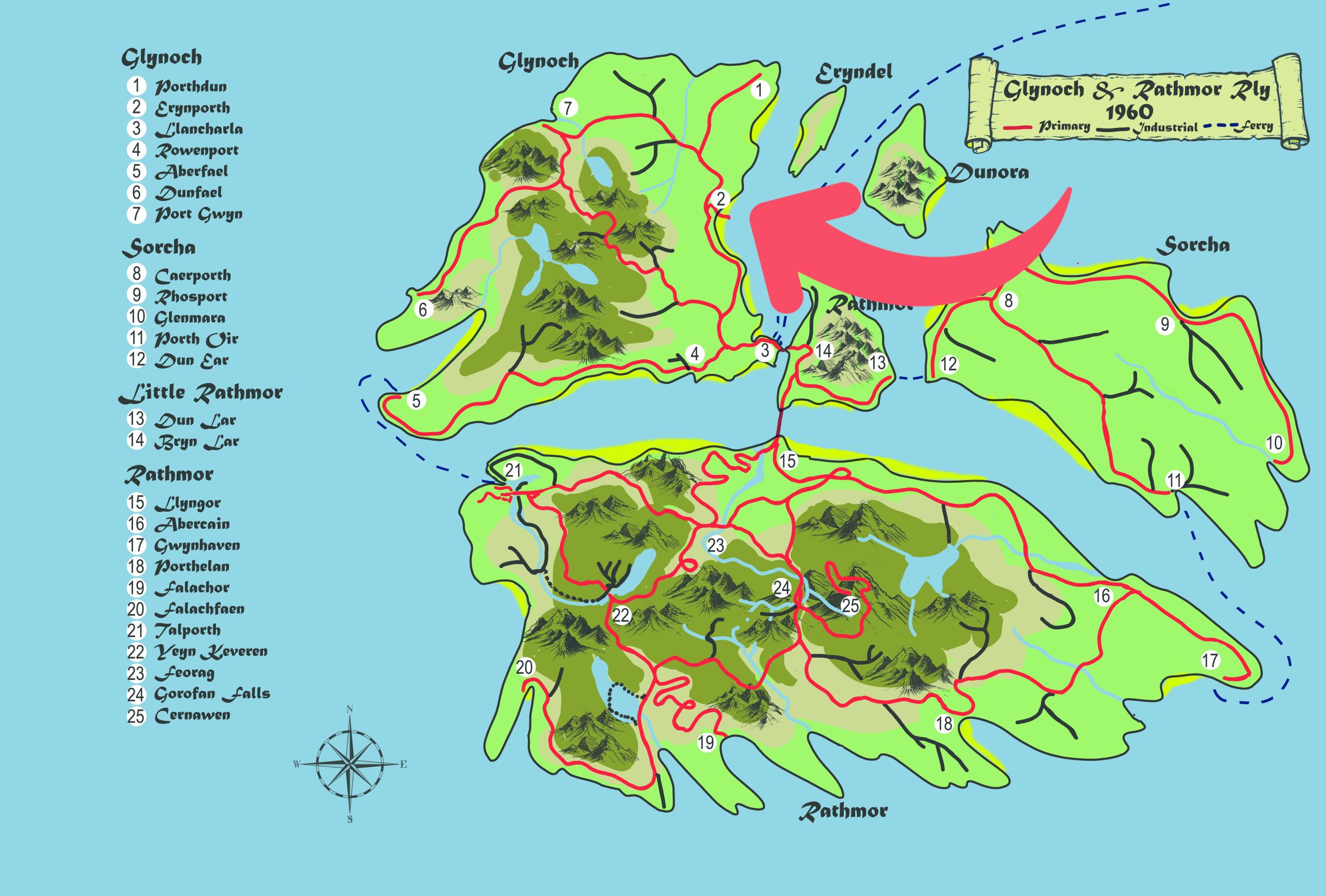
A bustling seaside town on the east coast of Glynoch, famed for its herring fishing, golden beaches, and elegant Victorian pier. Once a working port, it grew into a fashionable resort in the late 19th century with the arrival of paddle steamers and the railway. Erynporth remains a beloved holiday destination, combining maritime heritage with timeless coastal charm.
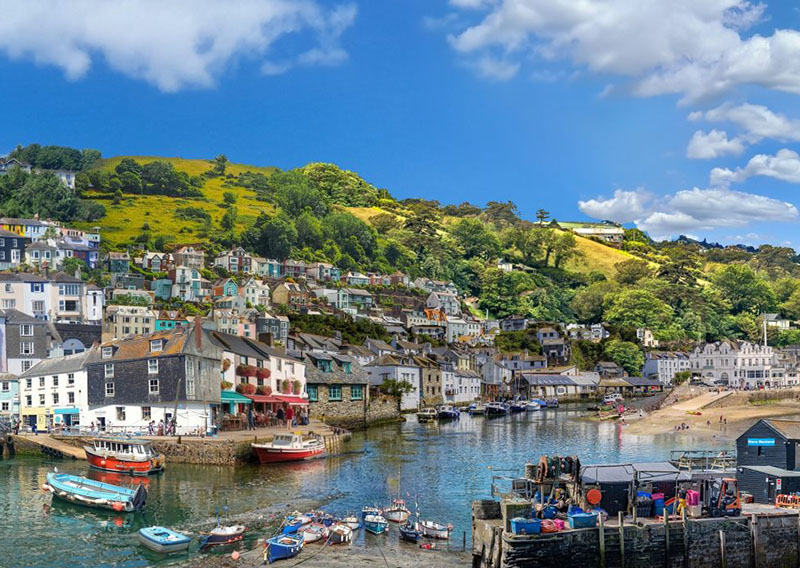
Erynporth, where the sea meets song and salt air, is the shining jewel of Glynoch’s eastern coast. Once a humble fishing village, it became the heart of seaside holidays after the building of its grand pier, where paddle steamers still echo the laughter of Victorian day-trippers. The scent of herring mingles with seaweed and sun cream, a reminder that Erynporth belongs to both fisherman and holidaymaker alike.
Erynporth stretches along a crescent of golden sand so long it seems to belong to another world. Once a quiet fishing hamlet, it was transformed almost overnight by the arrival of prosperity from the sea and the rail. Herring has always been the town’s lifeblood—silver shoals glinting beneath the surf, their arrival celebrated each autumn with the Festival of the Herring Moon, when nets are blessed and lanterns set afloat to light the fishermen’s way. The town’s smokehouses, smaller than those of Llanchala but no less skilled, still send their distinctive aroma drifting across the dunes.
The building of the pier in 1860 changed everything. Designed for the largest passenger steamers running from the mainland at the time, it soon became the heart of a thriving tourist trade. Paddle steamers from the mainland began arriving daily with holidaymakers eager for sea air, sandcastles, and sunshine. Rows of bright guesthouses sprang up along the promenade, their balconies filled with potted geraniums and the sound of laughter. The local railway workers’ brass band still performs each Sunday in the bandstand at the pier head, a tradition dating back to the 1880s.
Erynporth has retained its charm through the years. Wooden beach huts line the shore, and fishing boats bob beside sleek sailing yachts. Visitors can still watch the boats unload their glistening catch at dawn before enjoying tea and scones at one of the seafront cafés. For all its modern comforts, Erynporth remains a place defined by its twin callings—of work and leisure, of sea and song.
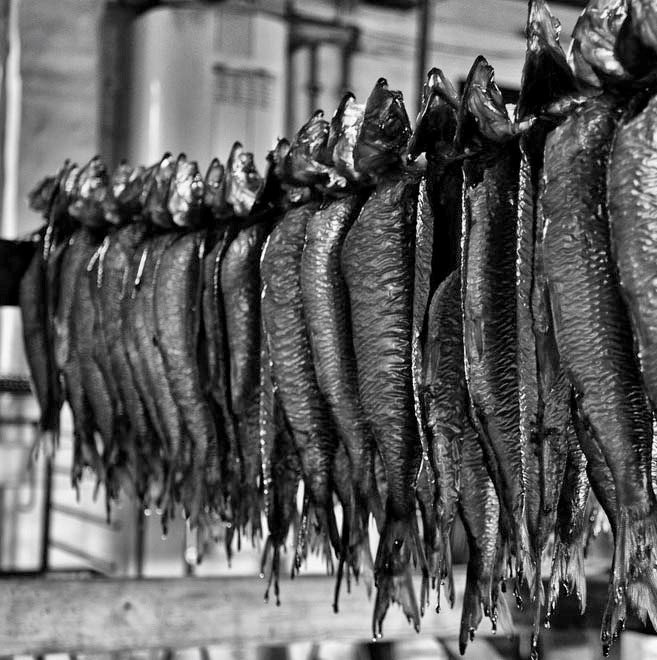
Herring Smoking - Erynporth
The Silver Tide of Erynporth
For generations, Erynporth has been synonymous with herring—the “silver tide” that once turned its calm waters into a frenzy of life and livelihood. Each spring and autumn, vast shoals of glinting fish would roll into Llanchala Bay, their scales flashing like quicksilver beneath the moonlight. To the islanders, the arrival of the herring was not merely a natural event—it was a season of renewal, fortune, and community. Entire families joined the effort: men set sail in open boats, women stood on the quays salting and packing the gleaming catch, and children ran errands or repaired nets under the lantern glow.
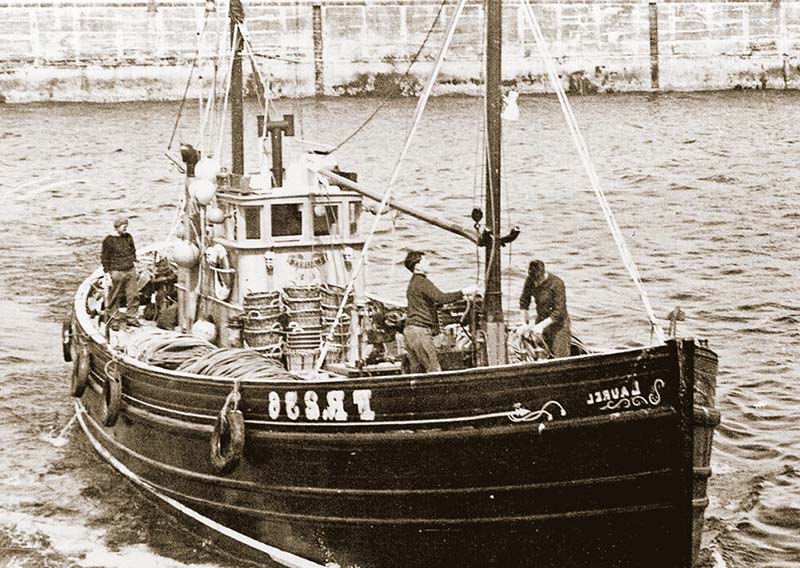
Herring Drifter
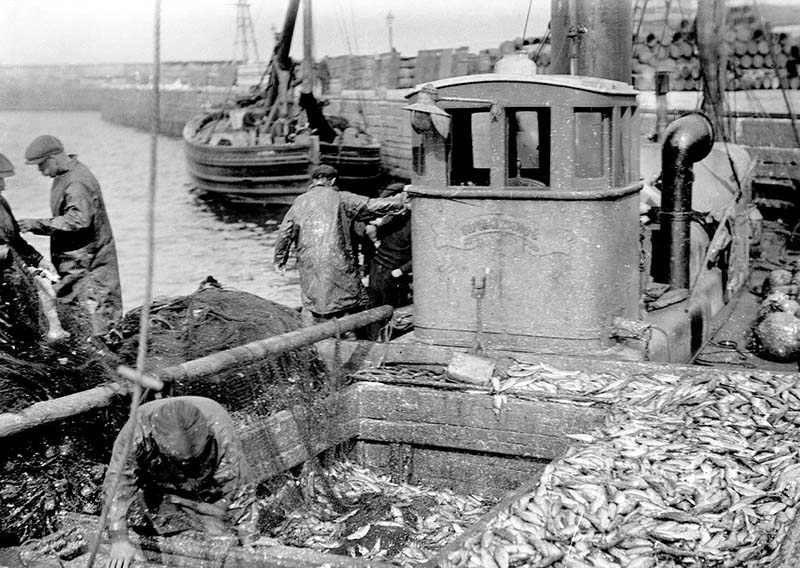
Herring Fishing c1930
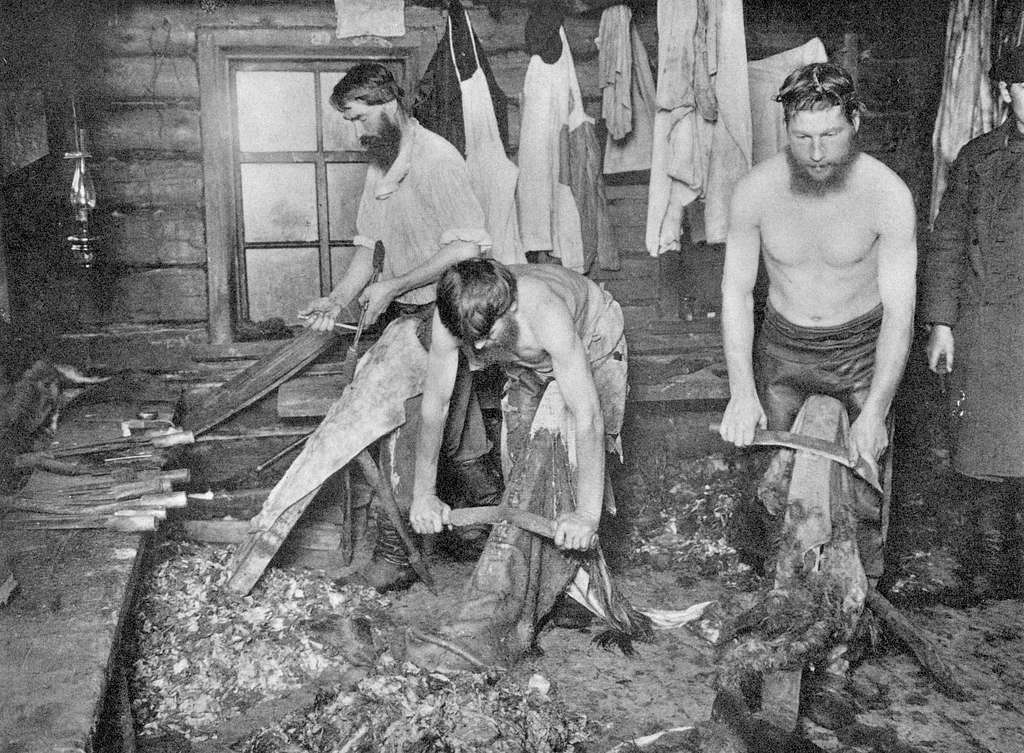
Leather Tanning c1950
Leatherworking in Erynporth
Situated just a short journey from Port Gwyn, the town of Erynporth has grown into the thriving heart of Glynoch’s leatherworking industry. While Port Gwyn gained fame for its distinctive beef, Erynporth found its own prosperity in the valuable by-products of that success. As the cattle trade expanded, so too did the availability of hides, and by the early 20th century the town had become home to the island’s principal tanneries and leather workshops. Today, Erynporth is known not only for its craftsmanship but for its unmistakable blend of traditional methods and modern artistry.
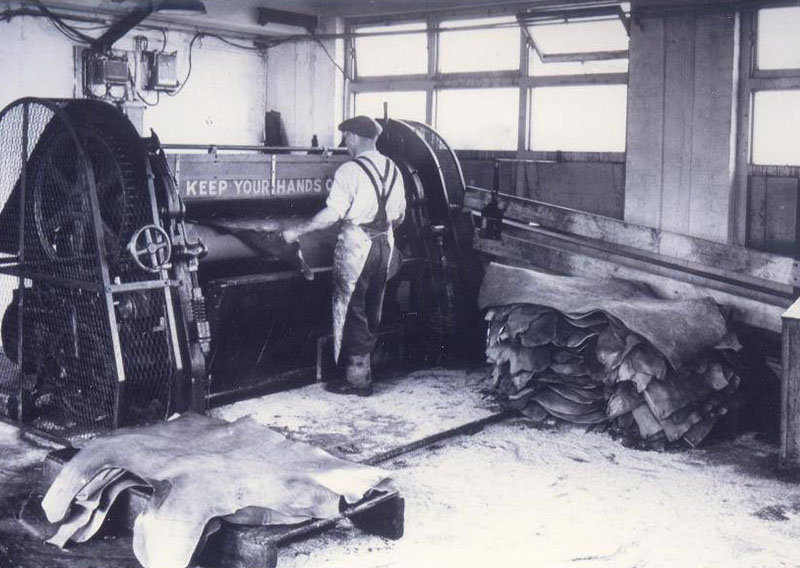
Glynoch Leather Co. c1940
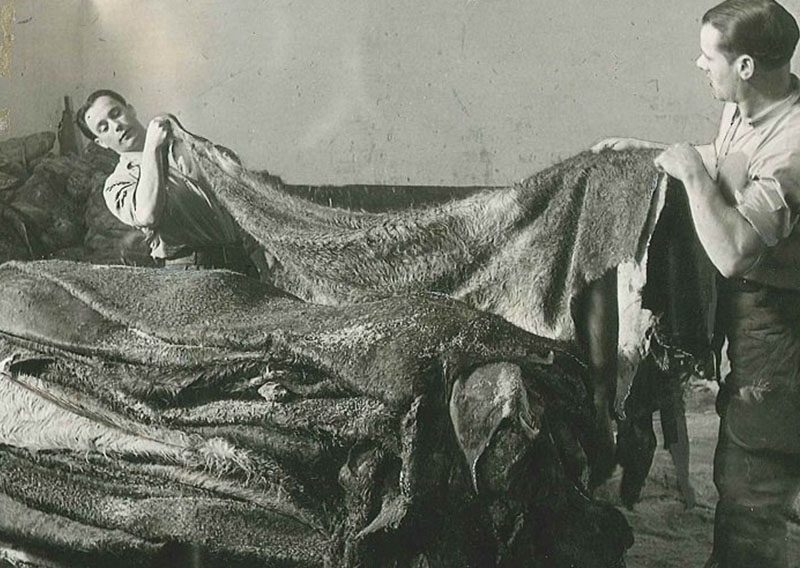
Glynoch Leather Co. c1920
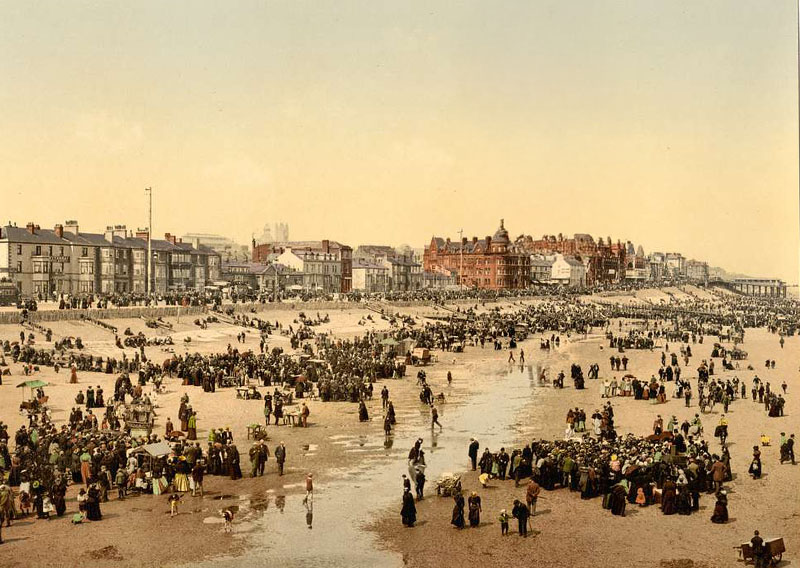
Erynporth c1880
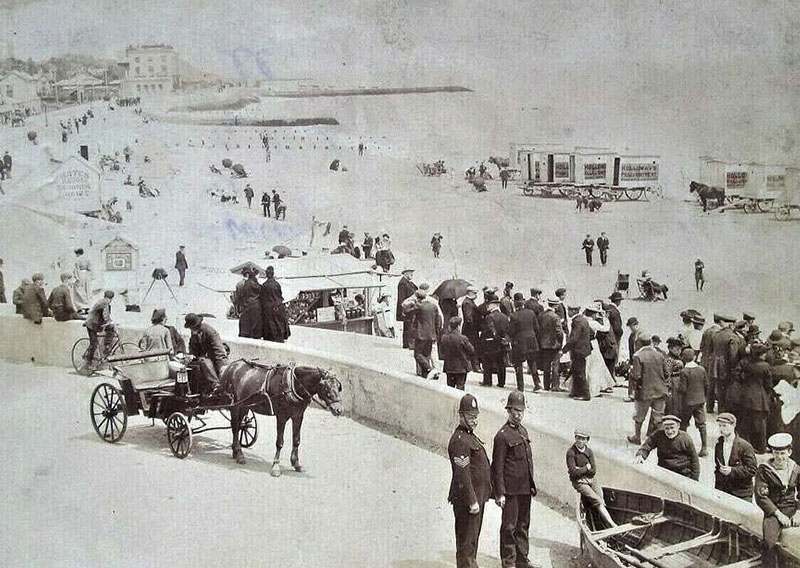
Erynporth Beach c1870
The Railways of Erynporth
The arrival of the railway sealed Erynporth’s fate as Glynoch’s premier seaside resort. The Llanchala & Eastern Coast Railway, completed in 1870, linked the growing town directly to the island’s industrial heart, carrying both fish and passengers along the scenic coastline to Llanchala and Porthdun. The route was an engineering triumph—cutting through dunes, skirting marshland, and crossing tidal inlets with graceful iron viaducts that shimmered in the salt air.
In 1875, a short branch line was added, leading right onto the pier head itself. For the first time, passengers could step directly from train to steamer, beginning their holidays—or ending them—without ever touching the cobbles of the town. Fresh herring was also loaded straight onto trains bound for Llanchala, where the famous smokehouses turned them into the island’s most popular export.
The impact on Erynporth was immediate. Elegant villas and terraces spread along the cliffs, and new hotels rose to meet the surge of visitors. The local economy thrived—net-makers, boat builders, and innkeepers all found new prosperity in the wake of the steam trains. The station, built in red brick with ornate iron canopies, became as much a landmark as the pier itself.
Even now, Erynporth’s railway heritage endures. Trains still run along the coastal line, the whistle echoing across the bay as gulls rise from the tidepools. For many islanders, it’s a sound that speaks of summers past—the promise of the sea, the scent of herring, and the golden light of Glynoch’s eastern shores.
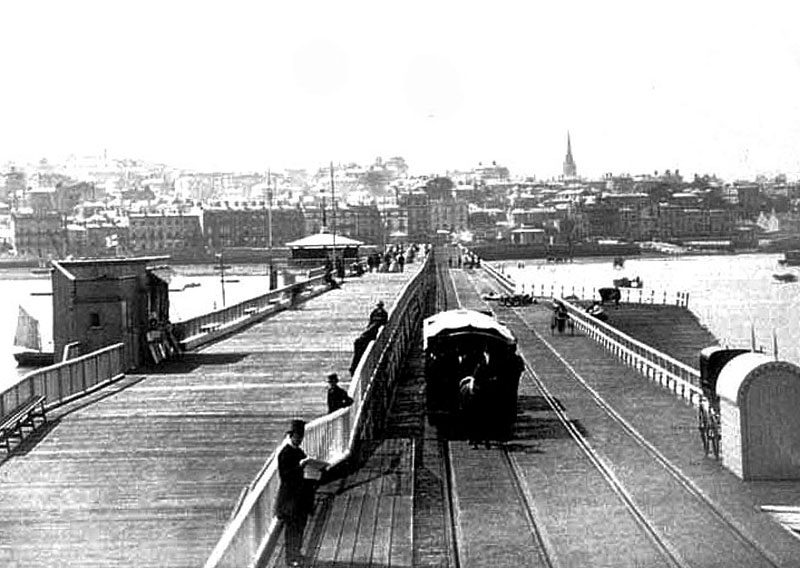
Erynporth Pier c1880
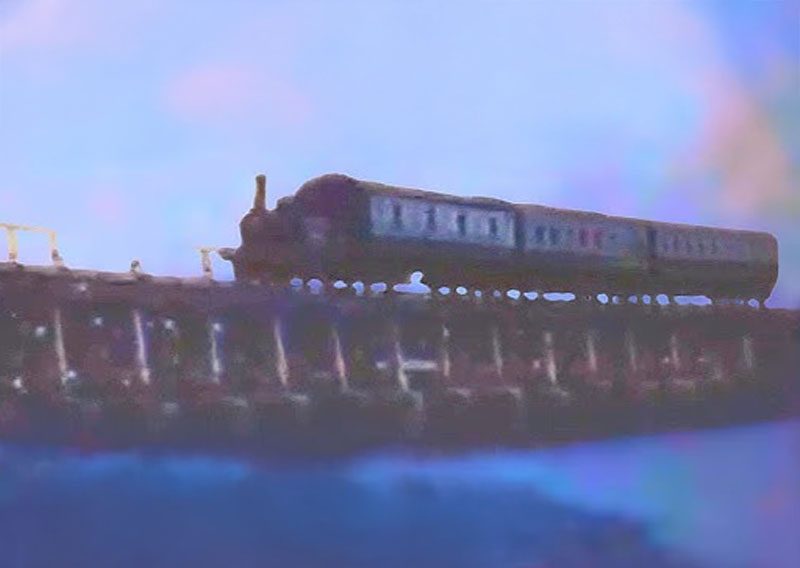
Erynporth Pier c1950
History
Towns
Erynporth
Erynporth Maps
Erynporth
The golden sands on the east coast of Glynoch
Explore More Towns...
...View All Towns