


9. Rhosport History
Surrounded by pastures, Rhosport is famed for its strong cheeses. Folklore speaks of “The Milkmaid of the Mists,” who blesses herds at dawn.
History
Towns
Rhosport
Rhosport Maps
Rhosport
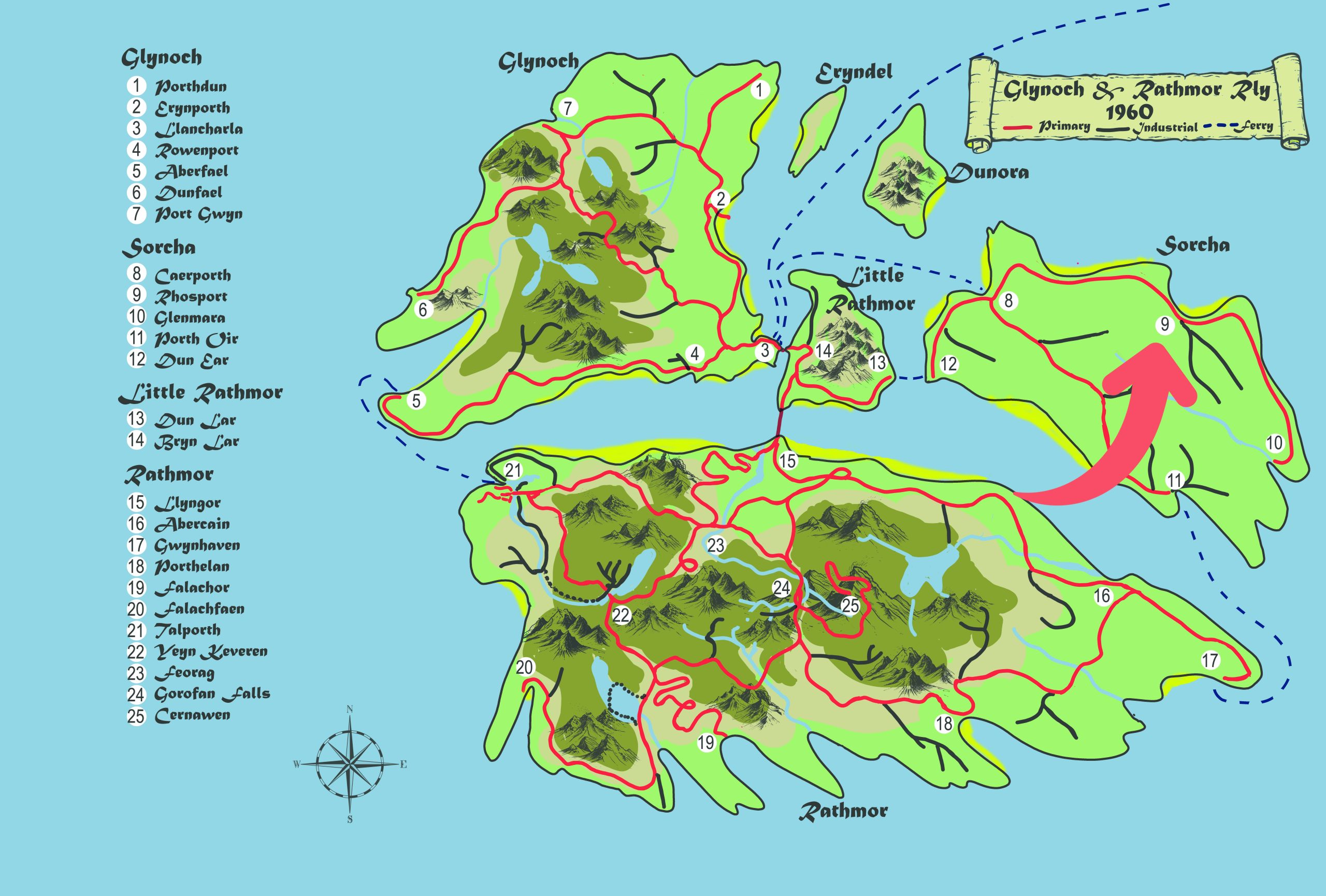
Located on the north coast of Sorcha
History
Towns
Rhosport
Rhosport Maps
Rhosport
Rhosport (pronounced: Hross-porth) – From rhos, meaning “meadow” or “moorland,” and porth, “harbour.” Thus, “Harbour of the Meadows.” An area of fertile rolling hills and pastures long associated with abundance and blessing.
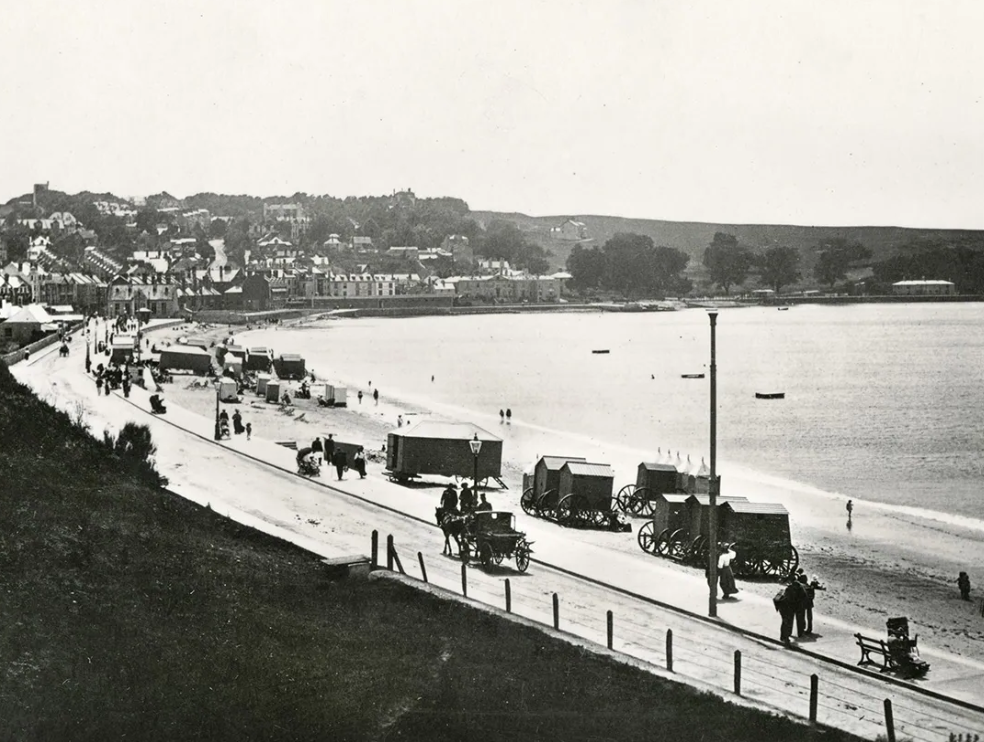
Rhosport c1900
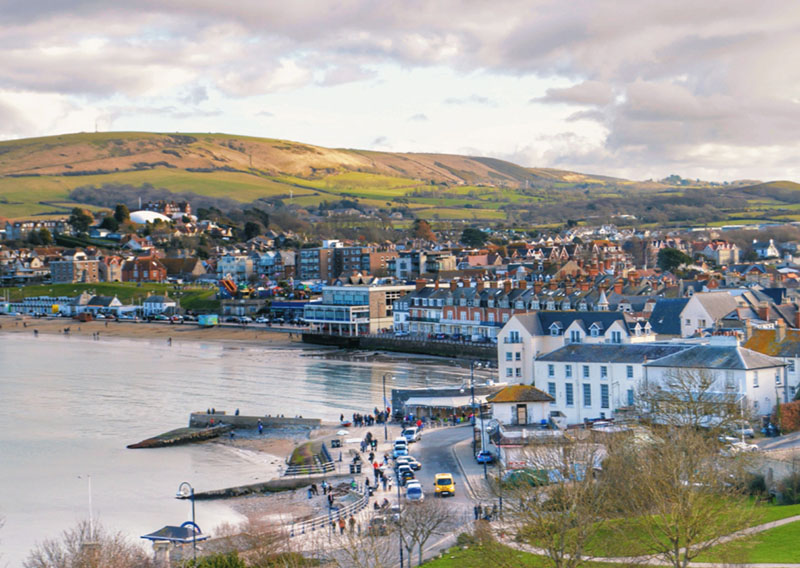
On the northern shore of Sorcha, within a wide sandy bay, lies Rhosport, a town defined by its lush green pastures and cattle herds. Known as the western corner of Sorcha’s “Golden Triangle” (with Glenmara and Porth Oir), Rhosport is as important for its dairy and livestock as its neighbours are for their grain and orchards.
Here, cattle graze on salt-kissed meadows, their milk forming the foundation of the town’s most celebrated product: Caer Rhos Cheese. This rich, tangy cheese, pressed in traditional cloth-wrapped rounds, has long been a staple of island tables. Folklore tells of the “Milkmaid of the Mists,” a spectral figure said to walk the fields at dawn, blessing the herds and ensuring bountiful yields. Many farmers still leave a small bowl of cream at their doors on midsummer’s eve as an offering to her.
Rhosport’s dairies are not confined to cheese alone. One creamery seized an opportunity in the early 20th century to produce ice creams, blending traditional dairy with flavours from across the islands—sea-salted caramel, rum and raisin, and honeycomb among them. Thanks to modern refrigeration, these have become a delicacy exported far beyond Sorcha.
Beef farming is another mainstay of the local economy. Rhosport’s cattle are reared not only for milk but also for their fine meat, which is traded across the isles. Together, cattle, cheese, milk, butter and beef have made Rhosport a hub of both sustenance and culture.
Rhosport
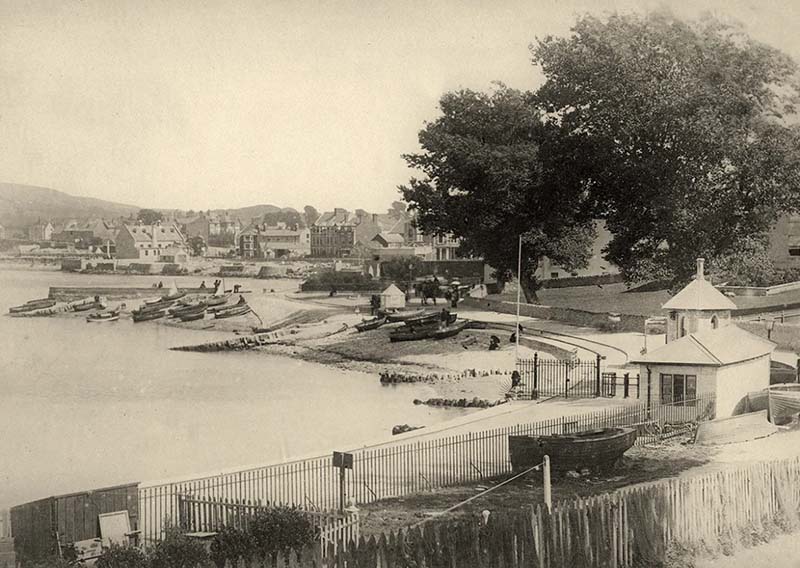
Rhosport c1880
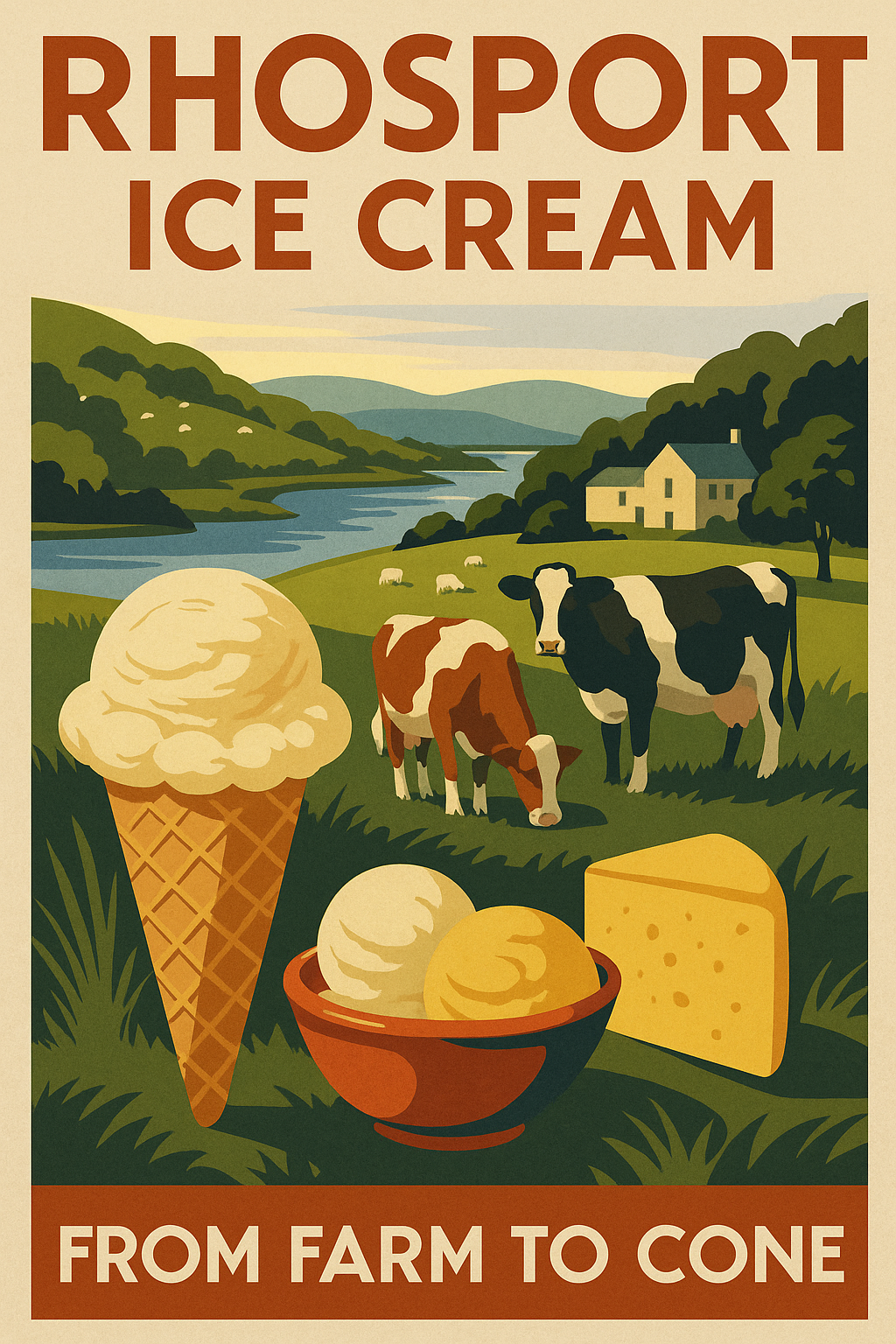
1950s advert for Rhosport Ice Cream
The Rhosport Dairy Industry
The lush pastures around Rhosport, watered by the fertile Gleannsholaidh Valley, have long been the backbone of Sorcha’s dairy trade. What began as a small cluster of farms supplying fresh milk and cream to nearby towns has, over the past century, grown into a thriving network of dairies whose products are now celebrated far beyond the islands.
At first, Rhosport’s dairies focused on fresh milk and cream for local use, delivering churns to markets and taverns along the coast. Yet islanders, ever resourceful, soon began to experiment. Butter and cheese quickly became the staples of production, often enriched with flakes of Rathmor’s sea salt, giving them a unique flavour profile that distinguished them from mainland counterparts. Each dairy developed its own speciality: some produced soft, creamy rounds wrapped in cloth, while others mastered harder, aged cheeses with sharp, nutty undertones prized for storage and export.
The most famous of these is Caer Rhos, a cheese often compared to a soft yet mature cheddar, beloved for its velvety texture and full-bodied flavour. Its companion, Blue Sorachan, is even more distinctive, with vivid blue veins running through its pale body. Though its aroma is undeniably strong, locals insist the taste is wonderfully creamy and tangy, a delicacy worth braving the scent for.
Rhosport’s dairymen also gained a reputation for their golden salted butter, a delicacy in its own right. Bakers in Gwynhaven prize it for pastries, while taverns and cafes alike spread it thickly on warm loaves.
Perhaps the most surprising development has been the rise of Rhosport ice cream. In the early 20th century, one pioneering dairy experimented with flavours drawn from the islands’ own larder: sea-salted caramel from briny marshes, rum & raisin from Sorcha’s sugarcane and distilleries, and heather honey from Rathmor’s uplands. The result was an instant success, and ice cream quickly became a feature at summer fairs and festivals, delighting locals and visitors alike.
Today, Rhosport’s dairy industry is more than an economic force—it is a cultural emblem. Its cheeses, butter, and ice creams embody the adaptability of the islanders, transforming the land into nourishment, tradition, and joy. From farmhouse tables to fashionable cafés in far-off cities, the taste of Rhosport carries with it the essence of Sorcha’s fertile heartlands.
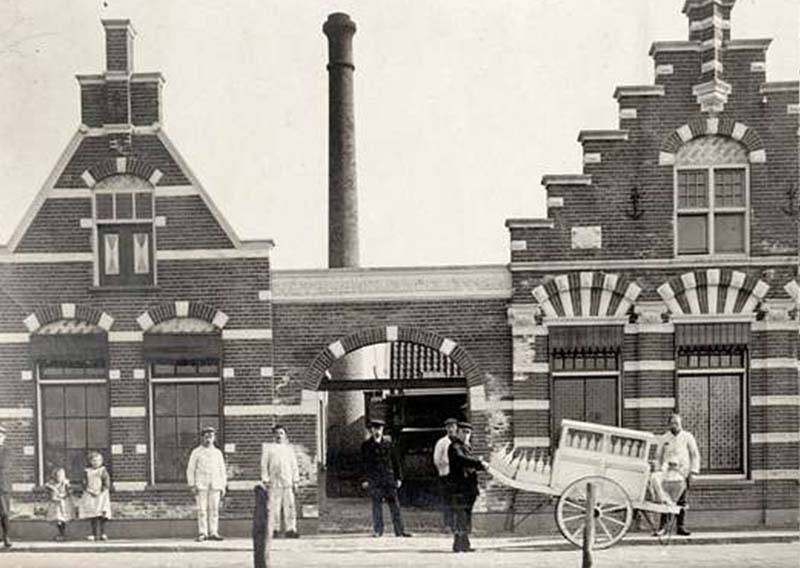
Rhosport Dairy c1900
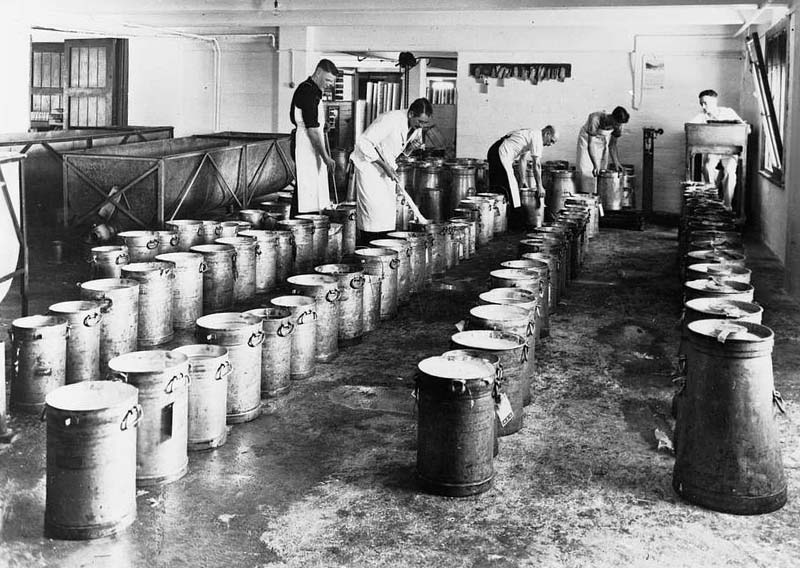
The Creamery at Rhosport Dairy c1930
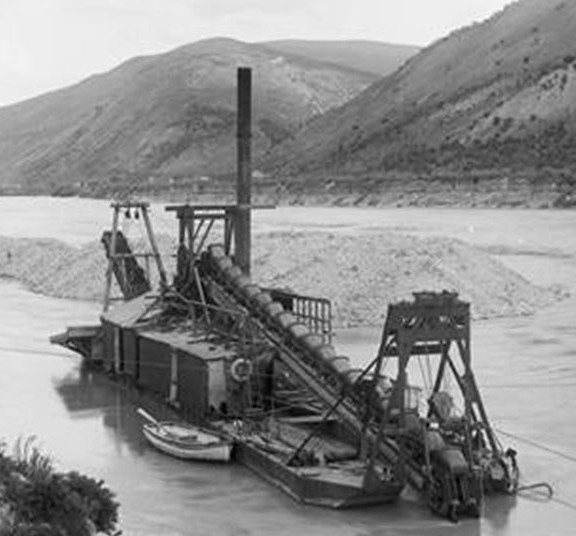
Gravel Dredger, Rhosport c1920
Gravel and Sand Extraction on Sorcha’s North Coast
The sweeping northern coastline of Sorcha is shaped by a series of broad, sheltered bays, where gentle tides and favourable coastal currents have, over centuries, deposited vast banks of sand, gravel, and shingle. This natural abundance has made the region around Rhosport the island’s primary centre for aggregate extraction, supplying an essential raw material for construction across the entire archipelago. The industry is one of Sorcha’s most important economic pillars, and its growth has closely followed the development of major infrastructure projects throughout the islands.
Rhosport’s extraction operations began modestly in the late 19th century, when local builders first recognised the exceptional quality of the coastal sediments. As dredging technology improved in the early 20th century, the industry expanded rapidly. The protected bays allow for consistent, year-round dredging, with barges and shore-based conveyors working together to collect and transport the material. The sand along this coast is noted for its uniform grain size and low salt content, making it particularly well suited for mixing with cement.
This advantage proved invaluable with the establishment of the Porthelan Cement Works, a transformative development that linked Sorcha’s natural resources to ambitious engineering ventures across the islands. Rhosport’s aggregates became a key ingredient in the production of high-quality concrete, which was then poured into the foundations, tunnels, and spillways of the great hydroelectric schemes that reshaped the archipelago’s energy landscape during the mid-20th century.
More recently, demand surged again with the construction of the Falachor Nuclear Power Plant, a project that required unprecedented volumes of reinforced concrete. Much of this material began its journey in the quiet bays north of Rhosport, where dredging continues to operate at full capacity to meet the island chain’s growing needs.
Today, while the coastline remains peaceful and strikingly beautiful, the hum of machinery and the steady rhythm of freight trains serve as reminders of Rhosport’s vital role. Its sand and gravel, shaped by the sea and carried by rail, have become the very foundation of modern life across the islands.
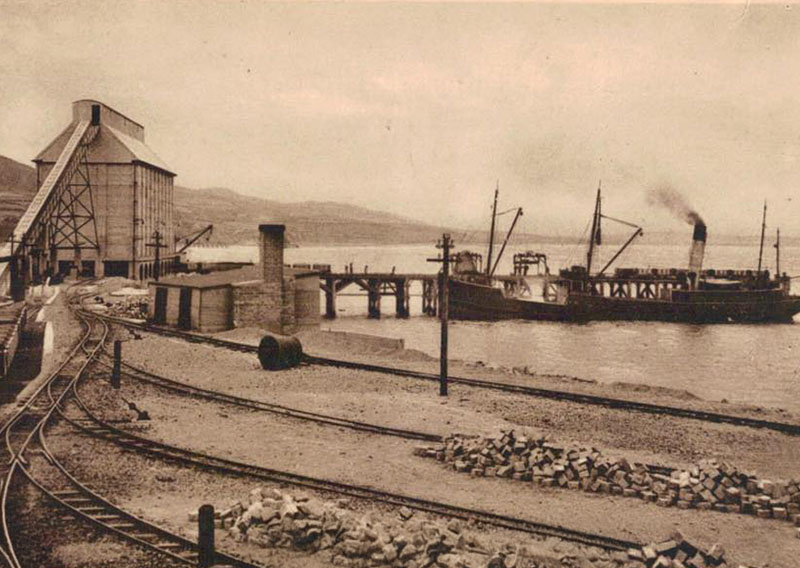
Sand Wharf – Rhosport c1900
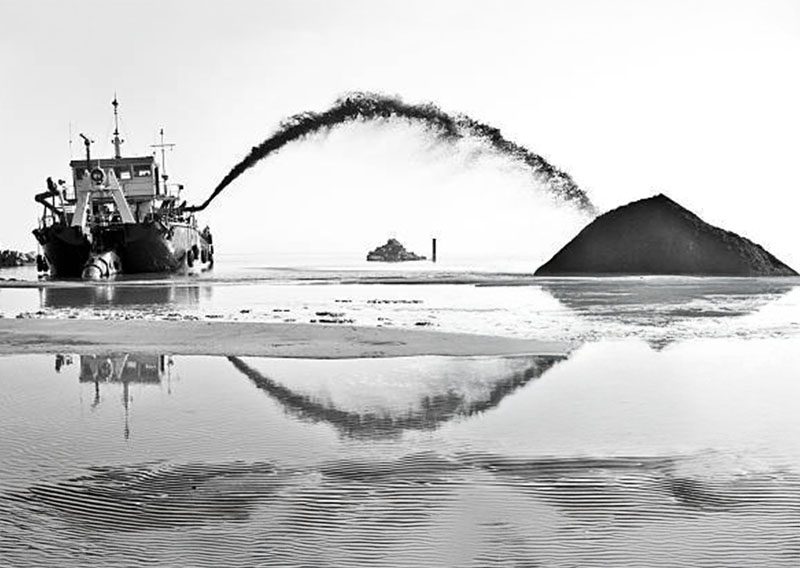
Sand Dredging – Rhosport
The Rails to Rhosport
The railway reached Rhosport in 1878, and with it came a revolution for the cattle and dairy industries. Before the rails, cheese and butter had to be carted slowly to nearby ports, often spoiling in the summer sun or arriving too late to command the best prices. Beef cattle were driven on hoof across muddy tracks, losing condition along the way.
The railway changed all of that. Special ventilated wagons carried cheese and butter swiftly to market, while improved insulated and, later, refrigerated vans allowed increasingly perishable produce to travel much greater distances.
Beef cattle too were loaded into sturdy livestock cars, saving time and weight loss, and fetching higher prices in distant cities.
Perhaps most transformative was the rise of ice cream production. With reliable rail transport, delicate frozen goods could be carried quickly to Llanchala and shipped abroad, turning what was once a local novelty into a renowned export.
The railway also brought prosperity in reverse—imported feed, tools, and even new breeds of cattle arrived more easily, improving both yields and quality. Farmers who once worked in isolation now found themselves part of an international trade network.
Today, the memory of that transformation endures. Every dairy, creamery, and cattle farm in Rhosport still owes its success to the coming of the railway, the iron road that carried the taste of Sorcha’s meadows to the tables of Europe.
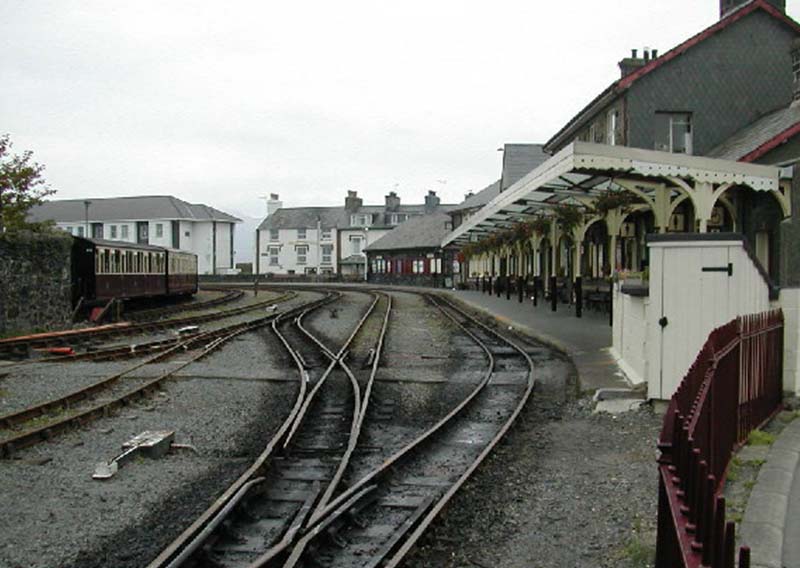
Rhosport Station
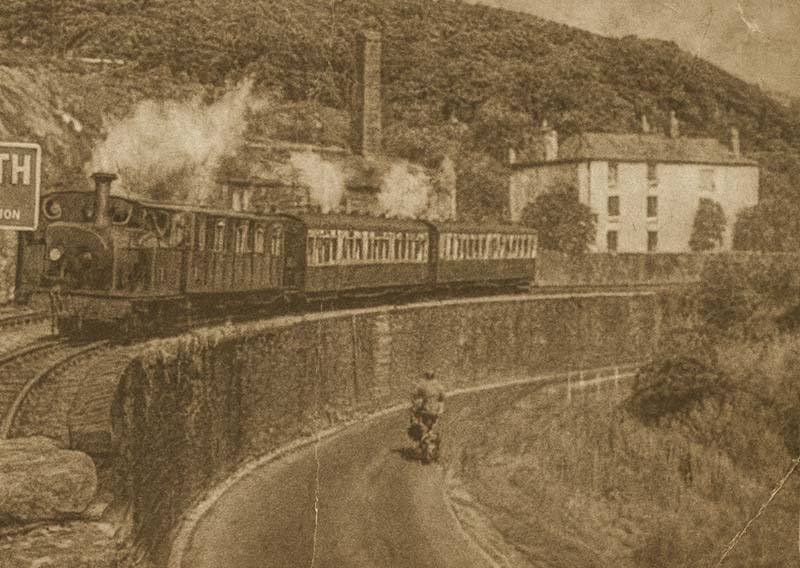
Approaching Rhosport c1890