


8. Caerporth History
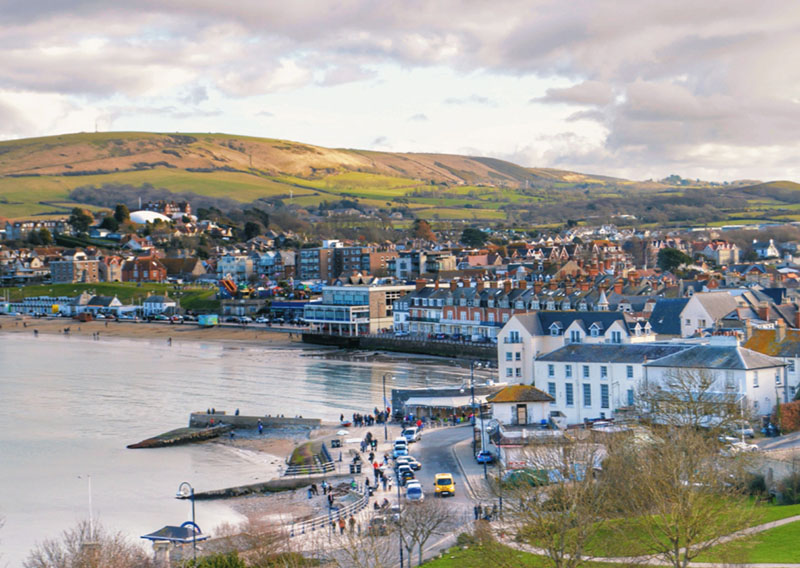
Caerporth occupies a crescent-shaped bay that has served as a natural resting place for the fishermen of Llanchala Bay and gateway to Sorcha’s fertile heartlands.
History
Towns
Caerporth
Caerporth Maps
Caerporth
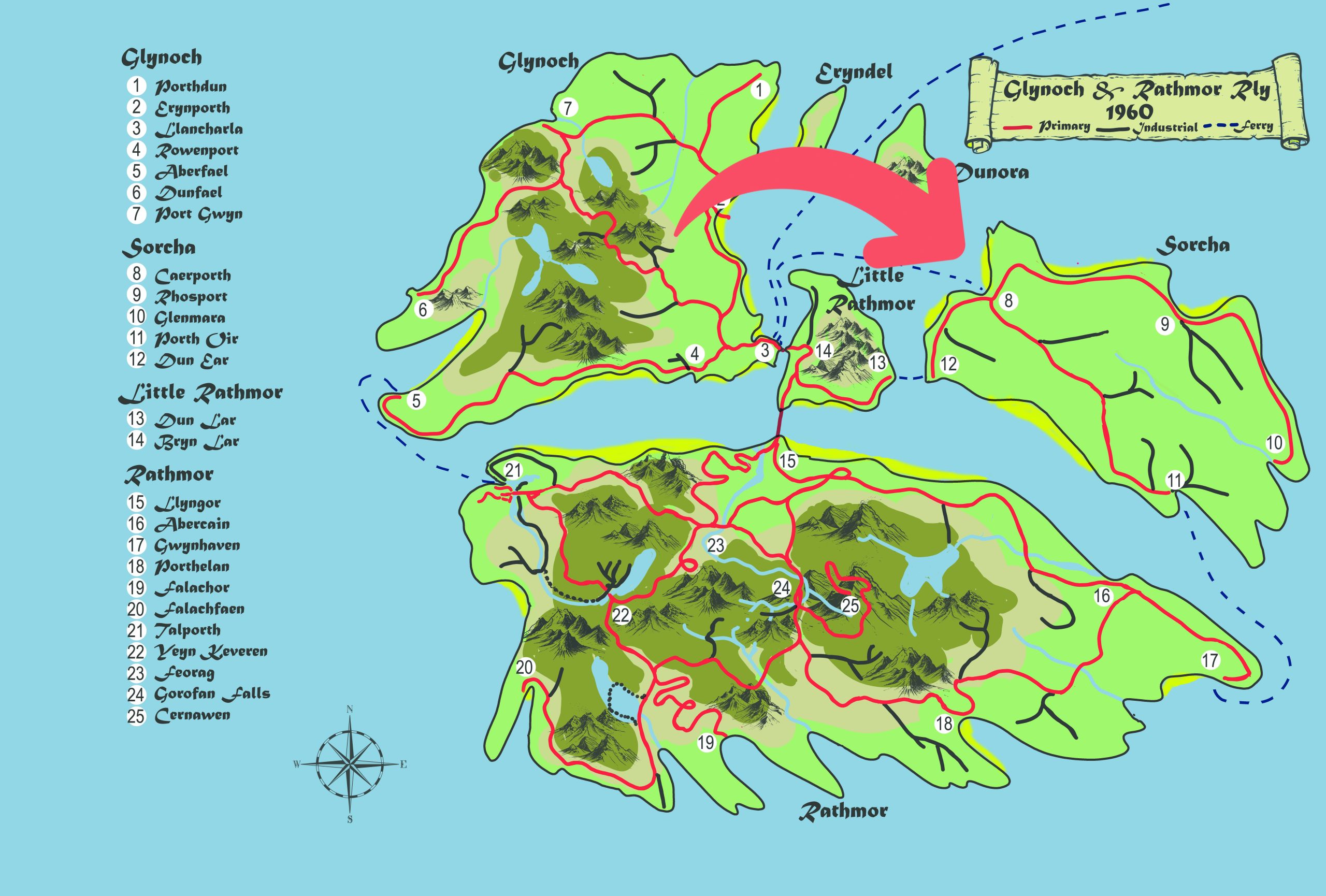
Caerporth (pronounced: Kair-porth) – From caer, meaning “fort” or “stronghold,” and porth, meaning “harbour” or “landing place.” Thus, “Fortified Harbour.” A historic ferry town on Sorcha’s crescent-shaped bay, long a crossing point and maritime hub.
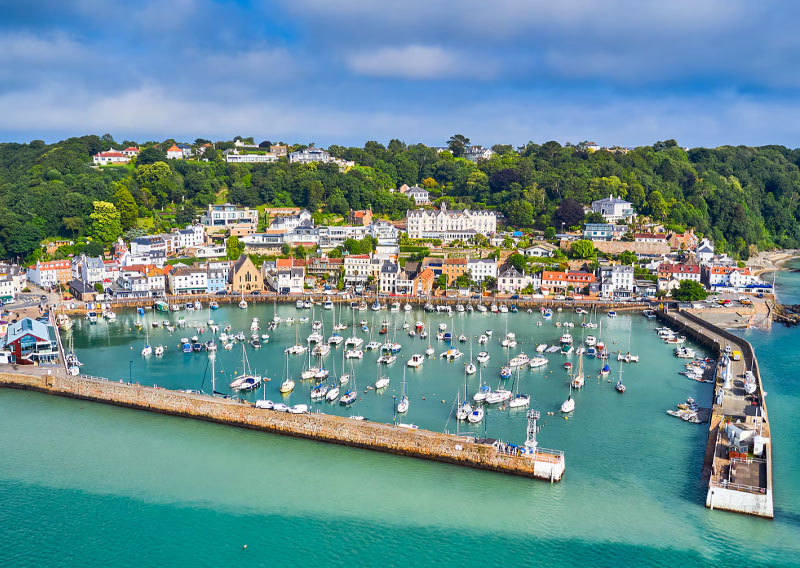
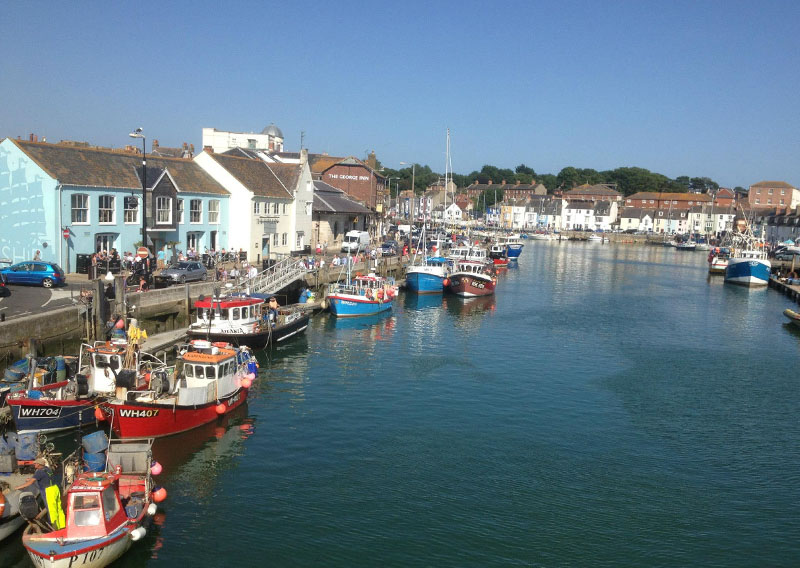
Caerporth Harbour
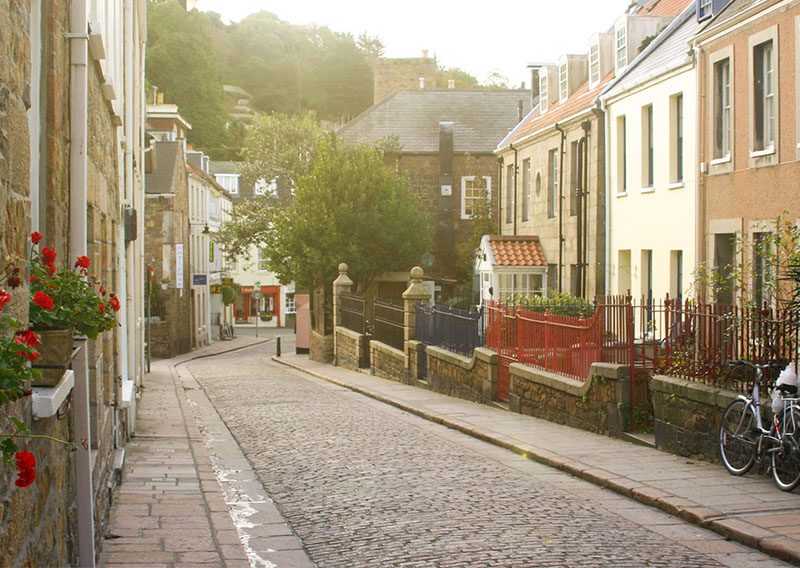
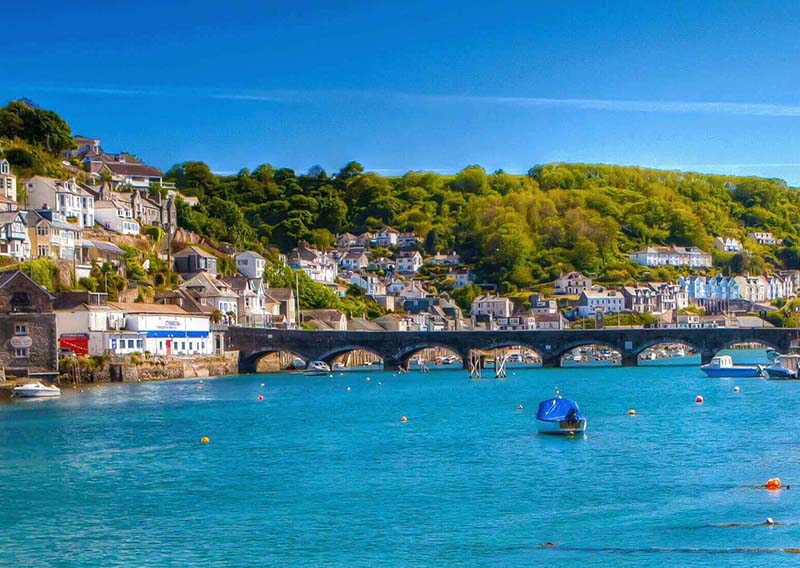
Caerporth
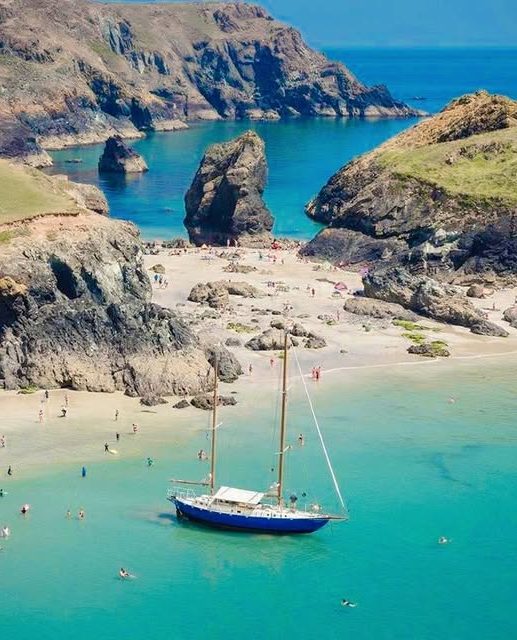
Caerporth Bay
Nestled in a crescent-shaped bay on Sorcha’s western shores, Caerporth has been a ferry crossing and fishing haven for centuries. According to local legend, the town’s origins trace back to the First Ferryman, a man chosen by the gods after surviving a devastating storm and washing ashore with nothing but a broken oar. In his honour, Caerporth still hosts midsummer boat races, with crews from across the islands competing in a spectacle of speed, skill, and celebration.
The harbour-front is alive with history: Ferry Steps, worn smooth by countless feet, still lead passengers from boat to quay; Fishermen’s Hall houses carved figureheads and salvaged ship prows, relics of Sorcha’s long battle with the sea; and the symbolic Oar of the First Ferryman hangs proudly above the quay. By day, fishermen unload their catch along the cobbled lanes, and by night the town glows with lanterns strung across tavern doors, welcoming travellers into warm company.
Fishing and ferrying remain the lifeblood of Caerporth, but the town has never stood still. Introduced experimentally in the late 18th century, sugar cane cultivation expanded dramatically across Caerporth's fertile southern soils during the 19th century. Today, this gamble has borne fruit: Caerporth is home to Sorcha’s finest rum production, a trade that now rivals its traditional industries and adds a spirited note to its maritime reputation.
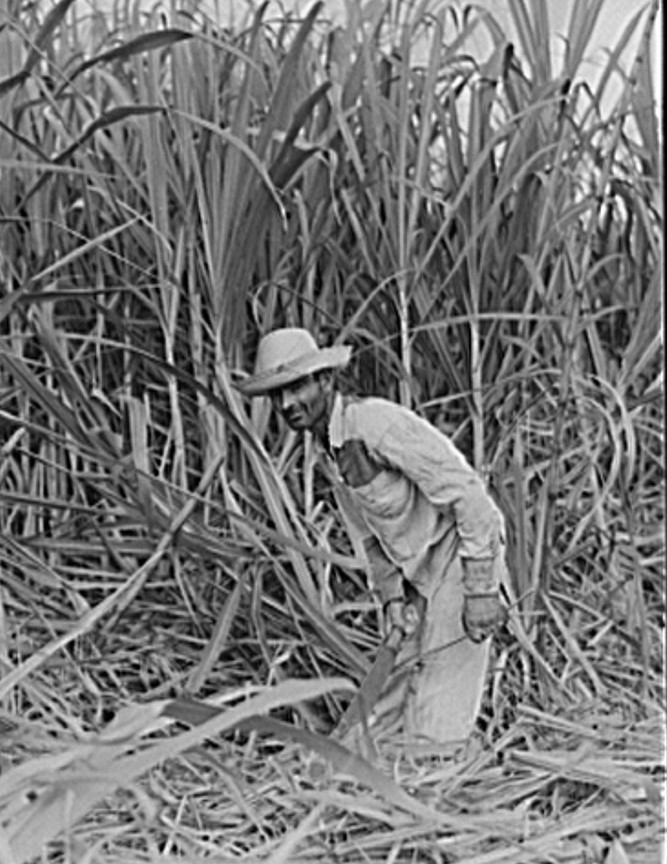
Sugar Cane Harvest
Sugar Cane - The sweet surprise of Sorcha
Sorcha’s warm southern plains proved uniquely suited to sugar cane cultivation. Introduced in the late 18th century by merchants returning from overseas colonies. At first, cane was grown experimentally near Caerporth, but the fertile soils and long summers soon yielded abundant harvests. Large swathes of the western forest, cut down for the shipyards at Dun Ear, were quickly replaced with Sugar Cane Plantations, transforming both the landscape and the economy. Folklore describes the cane fields as haunted by “Whisperers,” spirits of workers who toiled in silence under the hot sun. Whether myth or memory, the tales reflect the hardship of early cultivation, when labour was grueling and dangerous.
By the middle of the 19th century, Sorcha’s sugar fed growing demand across the islands, particularly in Caerporth, where sweetened tea and baked goods became fashionable. Local refineries processed cane into molasses and rum, creating thriving coastal industries that employed hundreds. The railway, when it arrived, revolutionised the trade: harvested cane could be brought quickly to mills before spoiling, increasing efficiency and profitability.
Today, sugar cane remains one of Sorcha’s most distinctive exports. Fields of green cane stretching toward the sea define much of the southern countryside, and festivals celebrating the cane harvest include music, dancing, and rum tasting. The industry is both practical and cultural, entwining Sorcha’s identity with sweetness and strength.
The sugar cane industry practically killed off the Molasses Mines of Porthelan who, if we are truly honest, were on their last legs anyway. But as one industry dies, another is born, and the explosion of cheap refined sugar cane meant that the Rum production in Caerporth exploded.
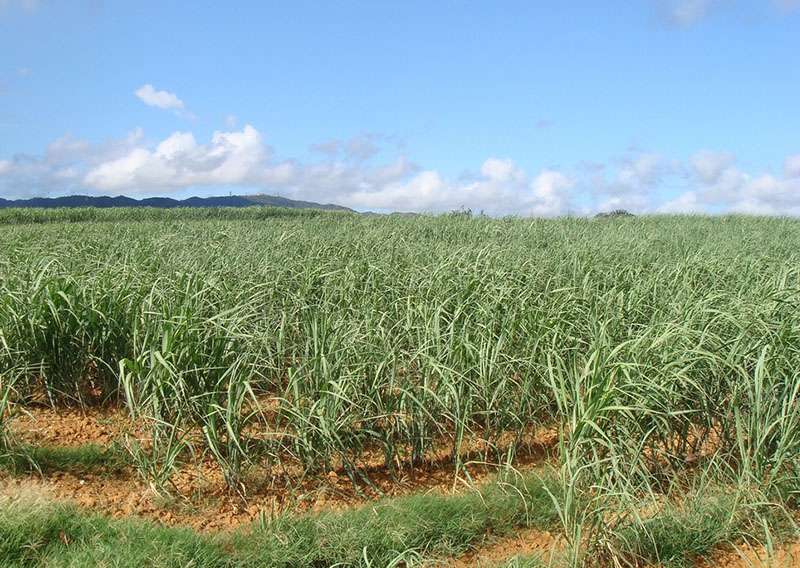
Caerporth Sugar Plantation
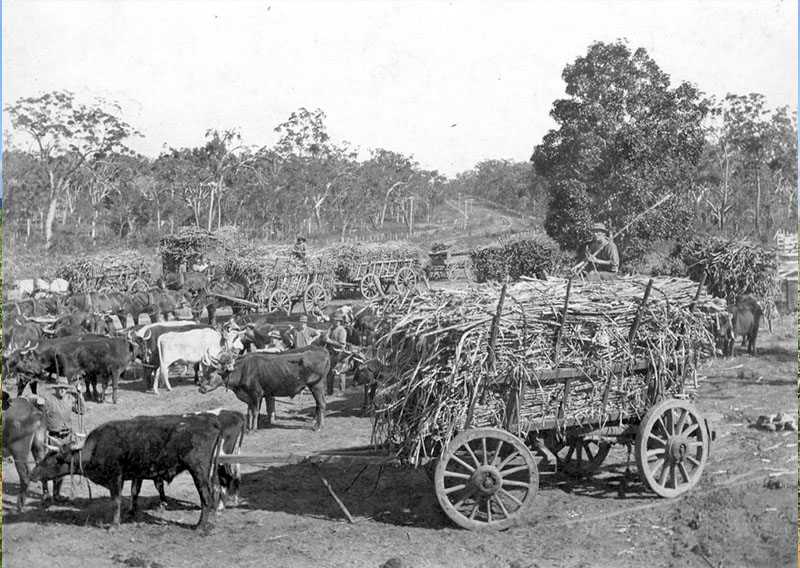
Sugar Harvest pre-railways
Island Rum
Although rum is a spirit traditionally tied to the tropics, Caerporth has proven that the northern isles can produce a variety no less distinctive. At first, rum-making here was a by-product of the Molasses Mine industry in southern Rathmor. The sweet, sticky residue of refined sugars provided an obvious base for distillation, and small-scale stills soon produced fiery spirits for local consumption. But it was not until the mid-19th century, when large-scale cultivation of sugar cane spread across the fertile lowlands of Sorcha, that rum production truly flourished.
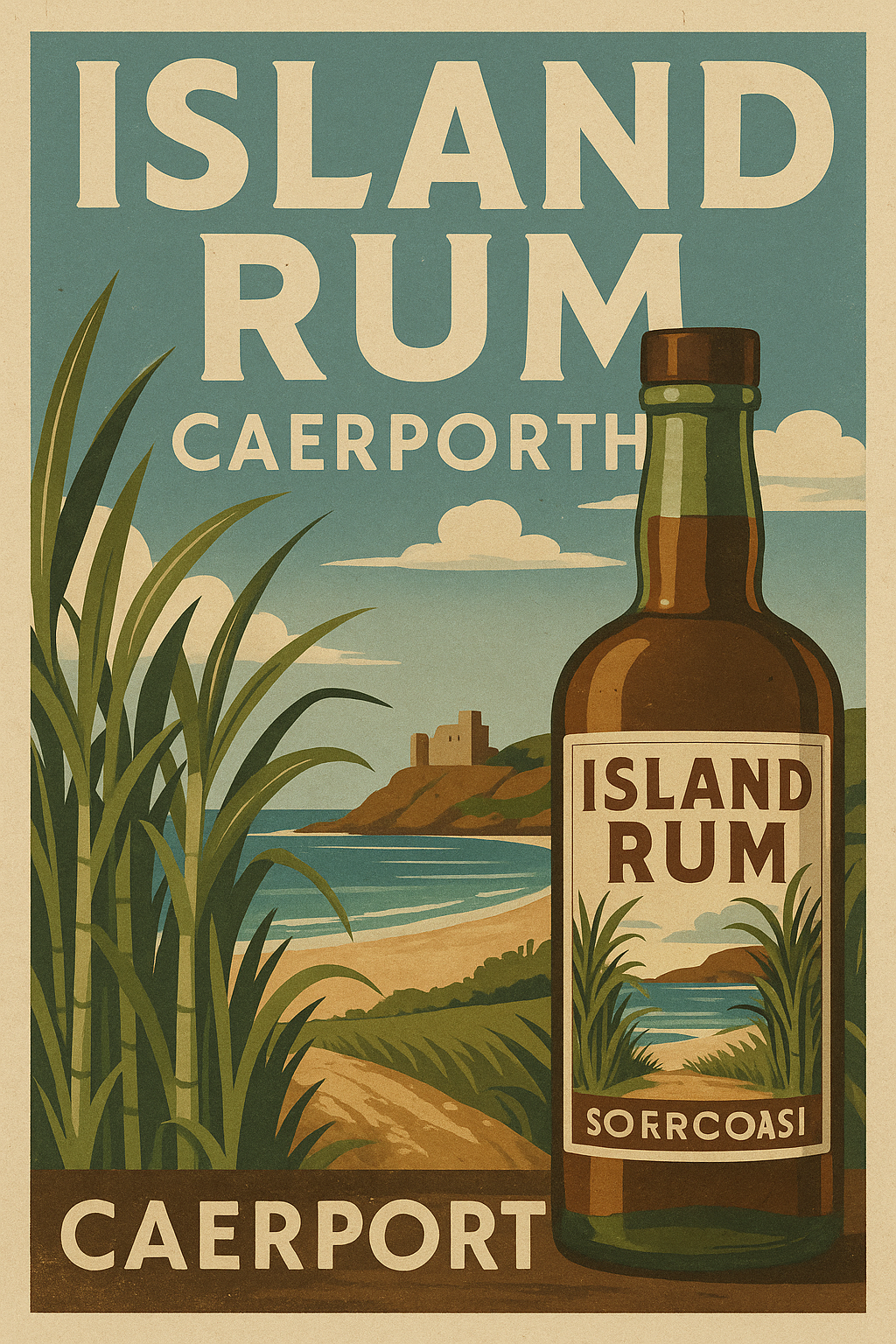
Island Rum advert c1930
The heart of this trade is the Caerporth Rum Factory, which stands on the coast just south of the town itself. By then, much of Sorcha’s once-dense woodland had been cleared, replaced by the rolling green-and-gold of cane plantations stretching inland across the southwest. Entire communities grew up around the planting, harvesting, and milling of cane, with rail spurs carrying the cut stalks down to Caerporth for crushing and fermentation.
What sets Caerporth’s spirit apart is its distinctive island style. Instead of copying the tropical rums of the Caribbean, local distillers chose to craft a drink tied to their own land. Dark and spiced varieties are blended with island honey, harvested from the heather-clad uplands, and infused with herbs and botanicals gathered from Sorcha’s meadows and shores. The result is a rum that is both warming and aromatic, equally suited to sipping by a winter hearth or toasting at a summer festival.
For generations, sailors carried flasks of Sorcha rum, a reminder of home on long voyages, and the drink became a staple at ship launchings, weddings, and harvest feasts. It is a spirit of celebration, often raised in communal toasts accompanied by music and dance.
By the early 20th century, Caerporth’s “Island Rum” had gained a reputation well beyond Sorcha. Exported across isles and into northern Europe, it became a sought-after luxury, its bottles marked with bold lettering and images of cane fields by the sea. Today, it remains one of Sorcha’s most successful exports—a testament to the adaptability of its people, who turned reclaimed farmland and an unlikely climate into the foundation of a thriving, world-renowned rum industry.
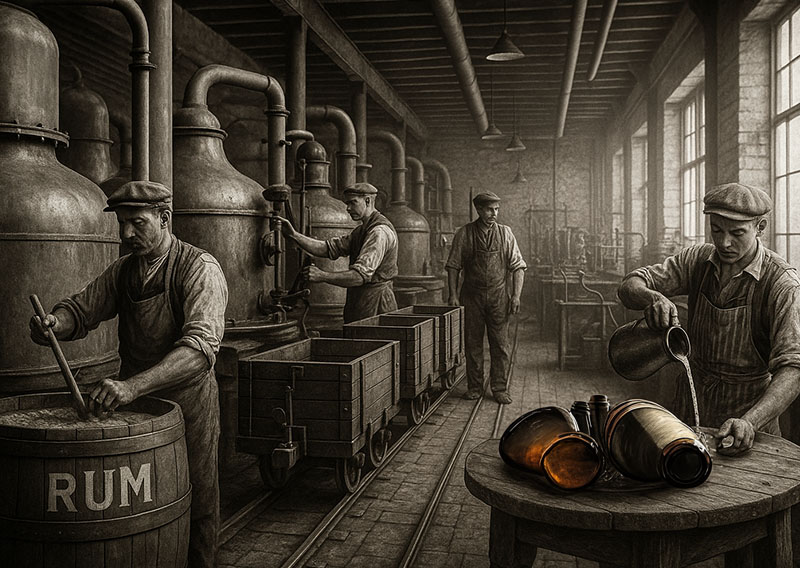
Island Rum c1900
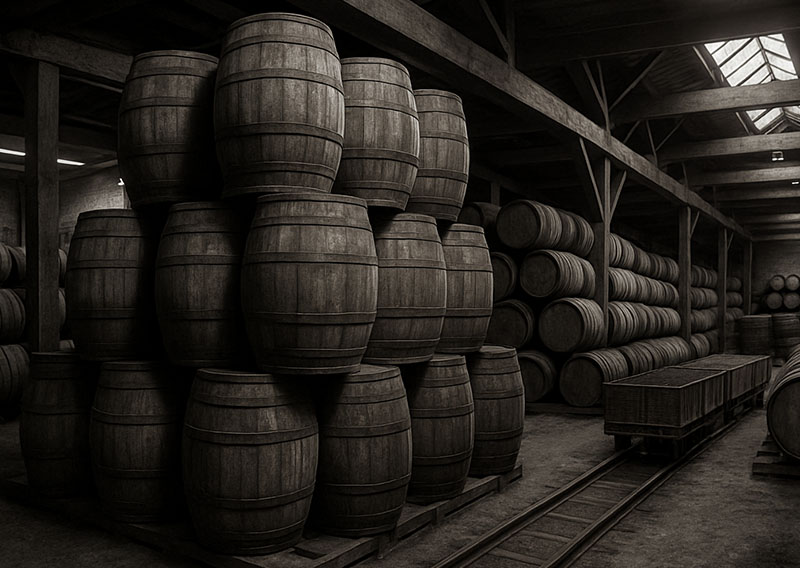
Caerporth Rum Factory c1890
The Railways of Caerporth
Before the building of the Caerporth Sugar Cane Ltd railway in 1875, Caerporth’s prosperity was limited by geography. Its ferry trade was strong, but goods piled up on the docks, unable to move inland quickly. Fish spoiled in summer heat, and imported wares lingered, slowing growth. The railway changed everything, transforming Caerporth into Sorcha’s gateway town, in direct competition with Dun Ear.
With new rail connections, passengers arriving on ferries could step directly onto waiting trains bound for the island’s interior. The once-slow journey to Rathmor markets was cut to a single day, meaning Caerporth’s fishermen could sell their catch at a premium. The fishing fleet expanded rapidly, knowing their harvest could reach distant buyers before losing freshness.
The railway also gave Caerporth’s sugar cane and rum trade its chance to thrive. Cane could be transported efficiently to distilleries, and the finished rum sent on to harbours across Rathmor and Glynoch. This opened international markets, making Caerporth’s “Island Rum” a sought-after product abroad.
Inland farmers, too, benefitted. Grains, wool, and other goods came down to Caerporth via rail for shipment overseas, turning the town into a true trading hub. Boarding houses and taverns filled with travellers, and Caerporth grew into a bustling crossroads of land and sea.
Today, Caerporth remains a gateway town—a place where ferries meet trains, where fishermen meet merchants, and where legend meets industry, but it is significantly quieter than in its heyday. Even the biggest of fans will have to concede that the crown has slipped and the baton for the biggest exporter from Sorcha is now well and truly a few miles down the coast at Dun Ear.

Sugar Cane industrial railway c1880
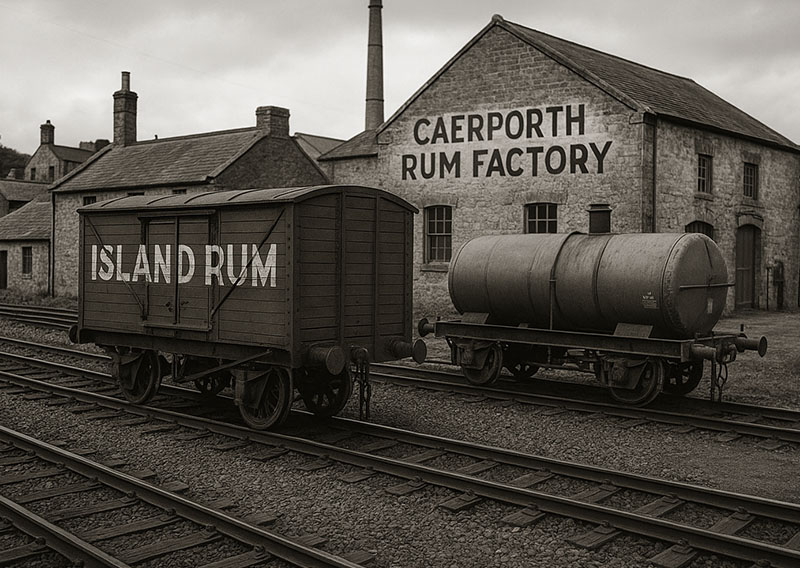
Caerporth Rum Factory c1900
History
Towns
Caerporth
Caerporth Maps
Caerporth
Located on the west coast of Sorcha