


17. Gwynhaven History
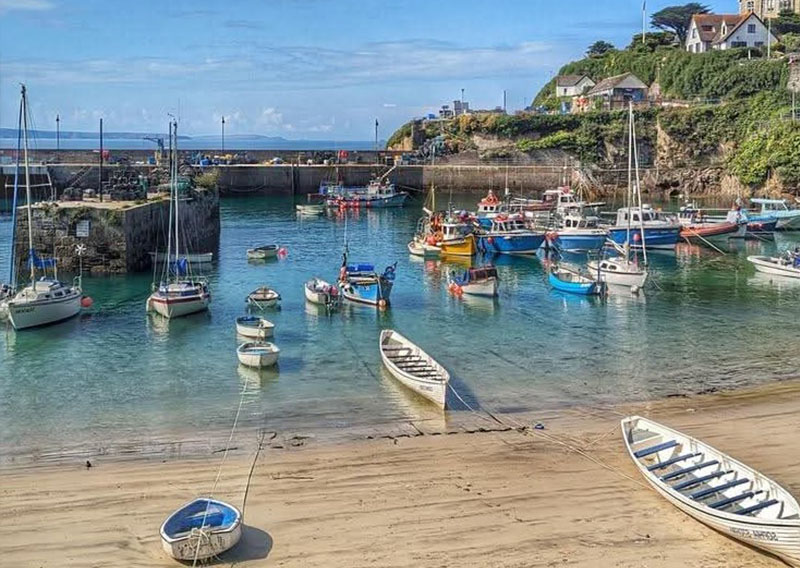
A historic fishing village with strong Celtic traditions. HMP Rathmor can be seen up on the moors above the town.
History
Towns
Gwynhaven
Gwynhaven Maps
Gwynhaven
Gwynhaven (GWIN-hay-ven) – From Welsh gwyn “white, blessed, fair” and English haven “harbour.” Meaning “Fair Harbour” or “Blessed Haven,” reflecting both its sheltered coastal position and its long-standing role as a maritime gateway.
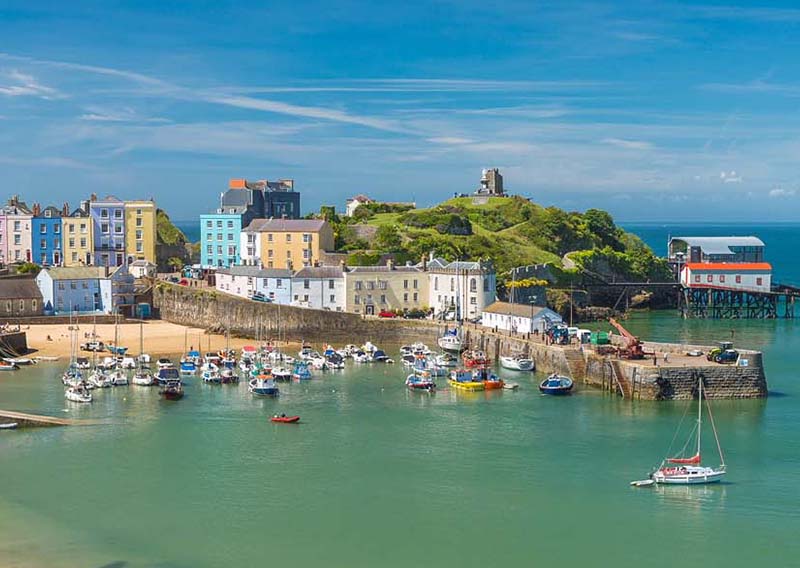
Gwynhaven
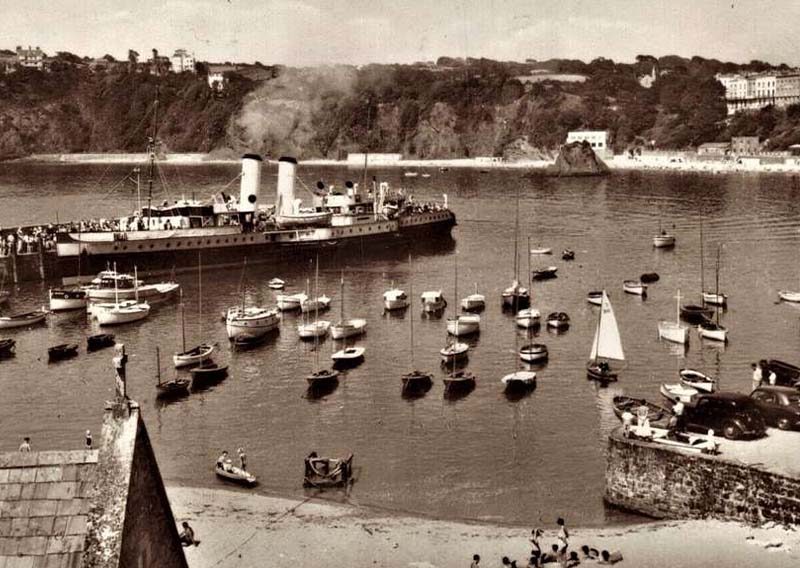
Gwynhaven to Porth Oir Ferry c1930
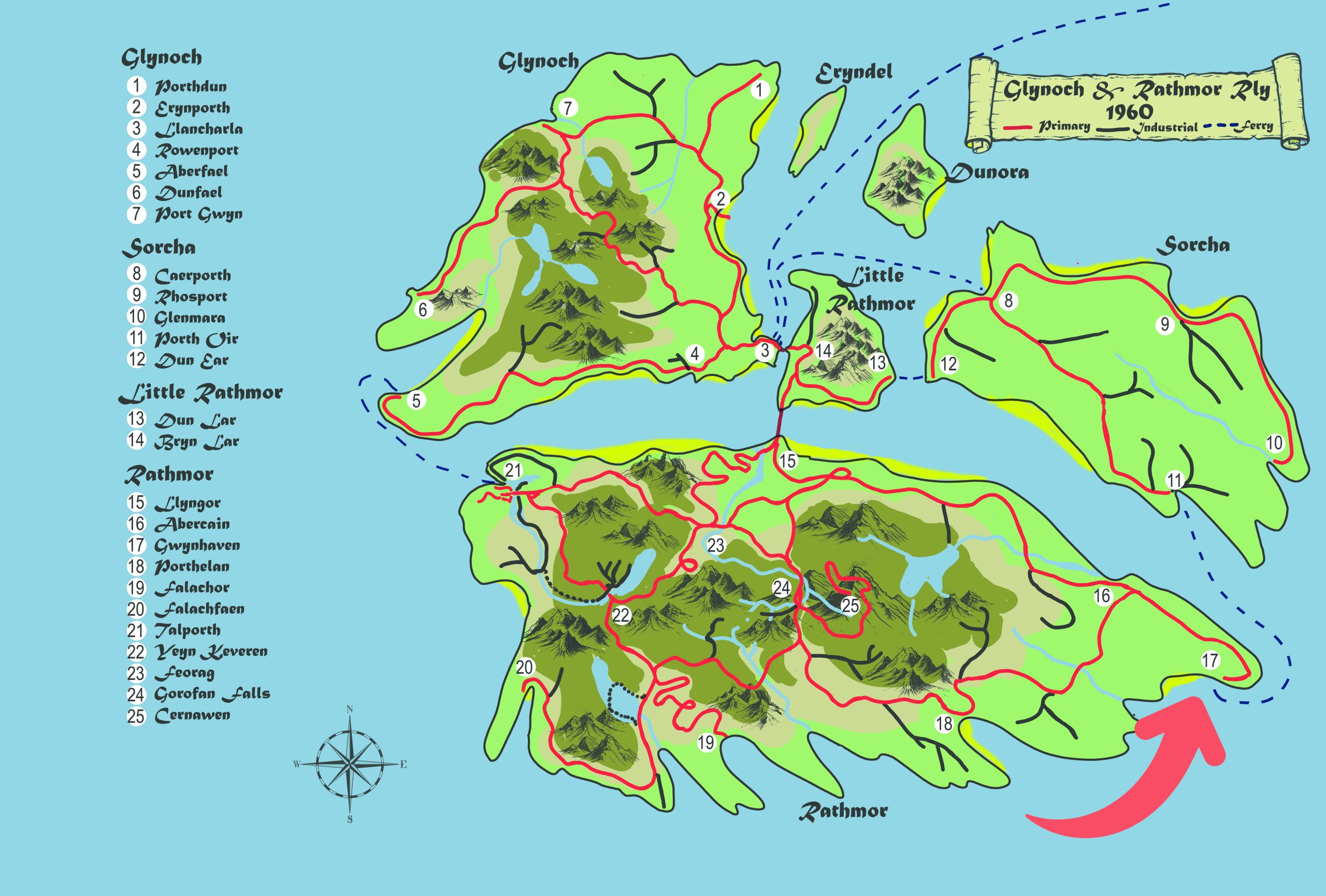
Gwynhaven stands at the far southeastern tip of Rathmor, a town of sea, forest and moorland where ferries once bustled, beer was first brewed, and convicts still serve their time behind the prison walls
Set against the restless seas of the south and east, Gwynhaven occupies the most remote corner of Rathmor. To the west, moorland and forest sweep down in windswept ridges, but the town itself nestles on a double coast, its harbours once alive with ferries, trade, and fishing boats. For centuries it served as one of Rathmor’s great maritime links. Not only was it the closest point to the mainland, with a regular ferry until the Second World War, it also forged a key connection with Porth Oir on Sorcha, making it an important artery of people and produce.
The town is notable as the original site of the Rathmor Brewery, founded early in the 19th century. For decades, its ales and stouts rolled out of Gwynhaven’s cellars until 1901, when the operation relocated to Abercain in search of larger water supplies. Traces of the old brewery remain, much loved by heritage enthusiasts.
Perhaps most famously, Gwynhaven is home to the island’s prison. Built in 1900, it housed convicts transferred by ferry from the mainland and later by rail via Llanchala after wartime ferry services ceased.
Today, Gwynhaven is quieter, yet it remains a place of history and striking scenery, a town where the sea has always shaped life.
The Potato Industry of Gwynhaven
Situated in the fertile lowlands of eastern Rathmor, the town of Gwynhaven has long been celebrated as the agricultural heart of the island’s potato industry. While the region’s cool climate and frequent rains make it less suitable for grains such as barley and oats, its rich, loamy soils have proven exceptionally well adapted to root crops. Over the centuries, potatoes became Gwynhaven’s signature product, shaping local farming practices and the rhythms of rural life.
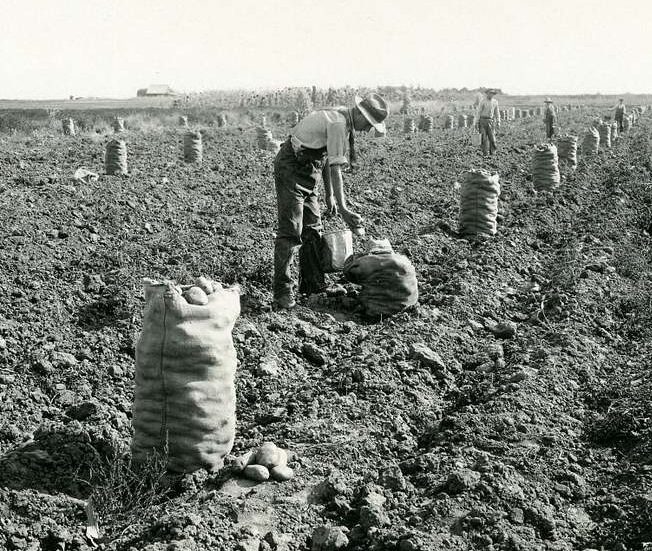
Potato harvest c1900
Foremost among the varieties cultivated here is the famed “Rathmor Red.” Recognised by its deep rose skin and firm, pale flesh, the Rathmor Red thrives in the mineral-rich soils surrounding Gwynhaven and is prized for both its flavour and versatility. From simple boiled dishes to hearty island stews, it has secured a place on dinner tables across the archipelago. Farmers attribute its success to a natural hardiness that allows it to withstand the region’s cool, damp springs and its occasional summer winds.
History, however, has not been without its challenges. When the Great Potato Blight of 1845 swept through Ireland and reached the Caerwyn Islands soon after, fear gripped the farming communities of Rathmor. But while yields suffered, the varieties grown in the Gwynhaven region—particularly the Rathmor Red—proved far more resilient than those elsewhere in Europe. Instead of devastation, the blight served as a pivotal moment. It spurred local farmers to diversify beyond potatoes, prompting the widespread cultivation of other root vegetables.
Today, Gwynhaven’s fields produce substantial quantities of turnips, carrots, squashes, parsnips, and swedes, providing both food security and economic stability. These crops grow well in the same deep soils that favour potatoes and have become staples in island cuisine. The region’s annual Root Harvest Festival, held each autumn, celebrates this agricultural abundance and draws visitors eager to sample seasonal dishes.
Modern transport links now allow Gwynhaven’s produce to reach markets across Rathmor and the neighbouring islands. Shipments depart daily, carrying sacks of potatoes and crates of mixed vegetables that supply grocers, restaurants, and export merchants. Despite these advancements, farming here remains firmly rooted in tradition. Small family-run holdings still dominate the landscape, working the same plots their ancestors tended, ensuring that Gwynhaven’s legacy of resilient, high-quality root crops continues for generations to come.
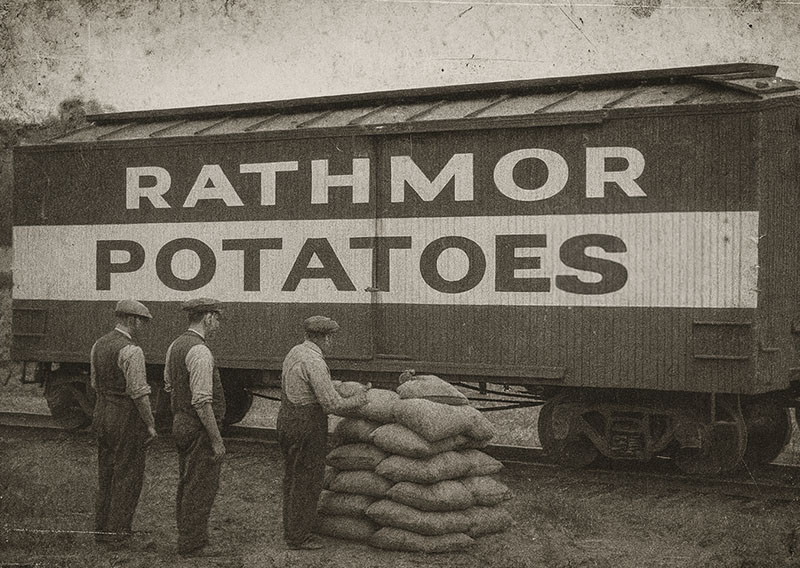
Rathmor Potatoes boxcar c1930
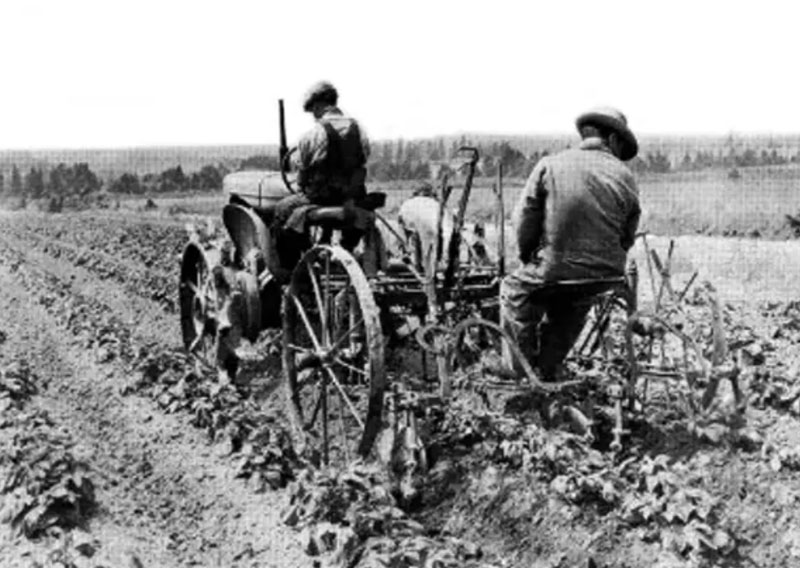
Potato harvest – Gwynhaven c1930
Gwynhaven Prison and the “Trains Down Under”
Gwynhaven was the place chosen in 1900 for the construction of a major prison. Its isolation was seen as a virtue: the sea on three sides, moors on the other, and few settlements nearby. At first, prisoners arrived directly from the UK mainland by ferry, which ran straight to Gwynhaven’s small harbour. This service ended in 1940, when the vessel was requisitioned for the Second World War effort. The ferry never returned, and prisoner transport had to adapt to the railway age.
From that point on, convicts were landed at Llanchala, where they were transferred onto special trains bound for Gwynhaven. The Glynoch & Rathmor Railway built two distinctive prison wagons for this duty, each heavily barred and fitted with locked compartments. Sometimes these wagons were attached to the rear of regular passenger services; at other times, they ran as special transfers under guard. Locals joked that the most dangerous criminals were always taken “on their own quiet ride,” well away from ordinary passengers.
In time, the convict runs gained a nickname of their own. Southbound from Llanchala, down toward the prison by the sea, the grim little trains became known by the drivers—half in jest, half in dread—as the “Train Down Under.” mainly due to their convict cargo, but possibly also because of the distance. Doing the Gwynhaven route was a long day on the footplate. The phrase has endured in local memory, a reminder of how even in a land of folklore and music, the railway also carried the harsher realities of justice.
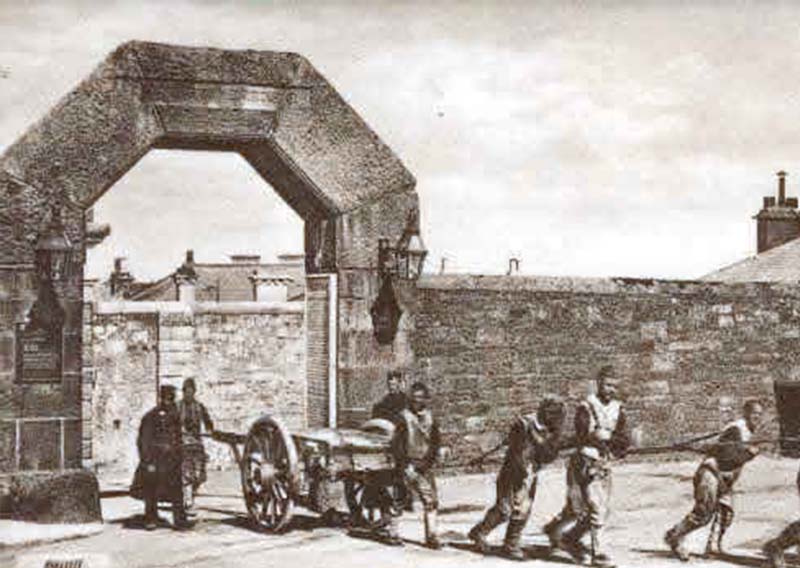
HMP Rathmor c1900
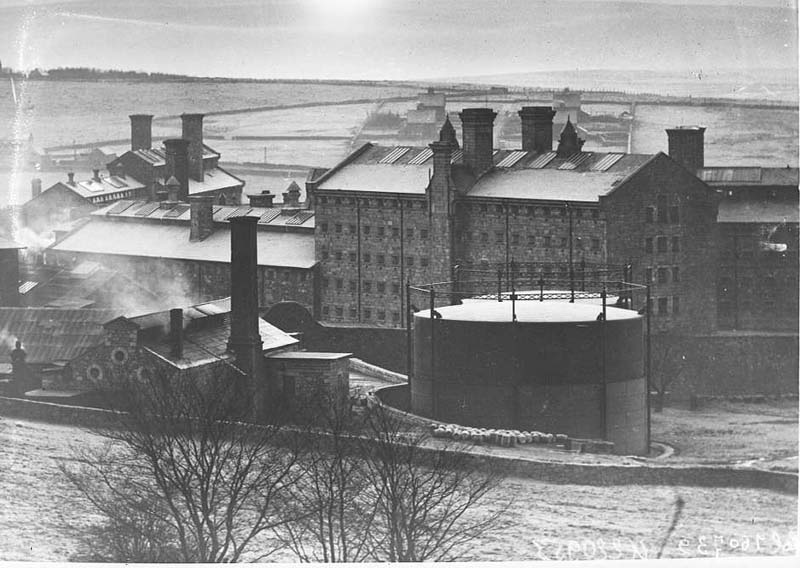
Rathmor Prison c 1910
The Railways to Gwynhaven
The arrival of the railway in Gwynhaven in 1860 marked a turning point for the southeastern corner of Rathmor. The Abercain and Gwynhaven Railway opened that year, running along the eastern seaboard and linking the coastal towns together. For the first time, fish, farm produce, and passengers could move with speed and certainty, no longer reliant solely on ships and rough coastal tracks.
This was constructed in a different gauge to other lines in use or under construction at the time. The 4ft 8 and 1/2 inch 'Broad Gauge' as opposed to the 1ft 11 and 1/2 inch gauge used in the mineral lines in existance elsewhere. The line was designed for passengers as well as goods right from the start, connecting the two market towns at speeds previously only dreamt of. The owners took inspiration from similar lines in mainland Britain. At the time the thought of creating a full integrated network across the isles was not a priority, so the owners did not want to 'compromise the passenger comfort' with a narrow gauge railway. The larger gauged project lasted less than twenty years before being absorbed into the wider Rathmor Railway Ltd in 1879, when it was immediatey re-gauged in preparation for the impending connection from Porthelan which was well under construction by then.
In 1880, the eastern line was extended from Porthelan to Abercain, connecting with the re-gauged Gwynhaven line.This new line also integrated with a patchwork of mineral tramways that ran down from the inland hills. These carried timber, stone, and ore, feeding into the Abercain and Gwynhaven line, ensuring the town’s harbours became thriving transshipment points.
This created, for the first time, a continuous east–west rail corridor across Rathmor, binding the coasts together. A passenger could board at Gwynhaven and travel all the way across the island to Talporth without changing trains, while goods flowed freely between fisheries, farmlands, and the industrial highlands. Quarry wagons loaded with slate and ore could now roll directly onto trains for dispatch north and west, an efficiency unimagined in earlier times.
The final piece of the puzzle came ini 1885 when the Llyngor Bridge was opened together with a direct route down the coast to Abercain. This reduced the journey time from Gwyhaven to Llanchala to just a couple of hours on one train instead of a three train and one ferry trip or over twelve hours.
For Gwynhaven, the railway was transformative. It kept the town connected even as its ferry to the mainland fell silent during the war. The harbour remained active, the prison supplied, and trade sustained by iron rails. Though no longer the bustling ferry hub of old, Gwynhaven owes its enduring role on Rathmor’s map to the railways that carved their way across the island.
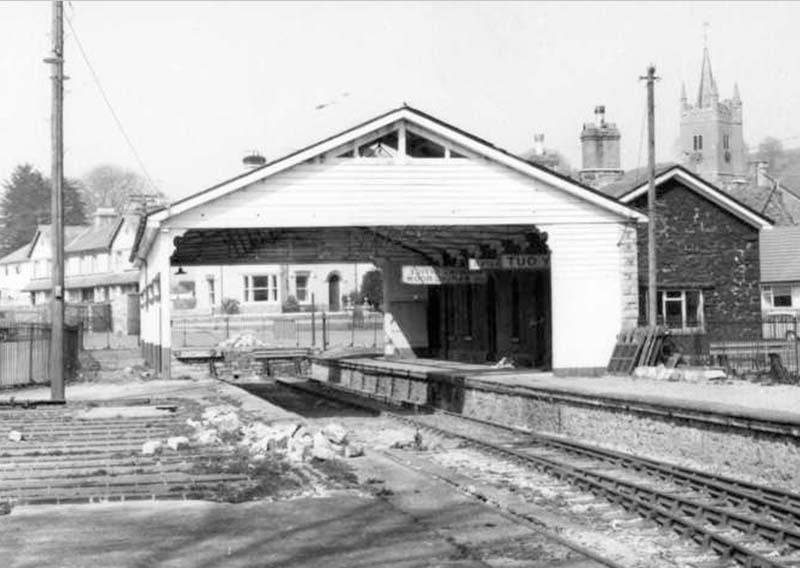
Gwynhaven station c 1930
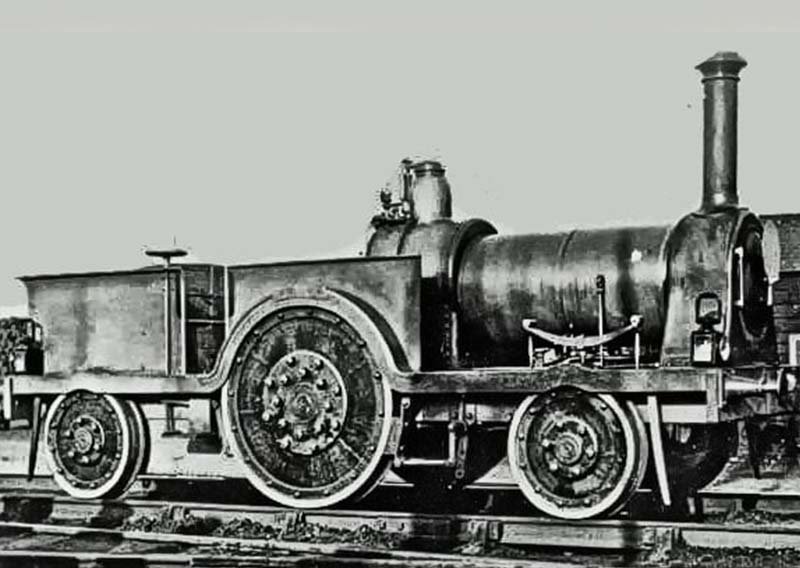
Rare picture of Gazelle - Original loco of the Broad Gauge line c1865
History
Towns
Gwynhaven
Gwynhaven Maps
Gwynhaven
Located on the south east coast of Rathmor
Explore More Towns...
...View All Towns