


21. Talporth History
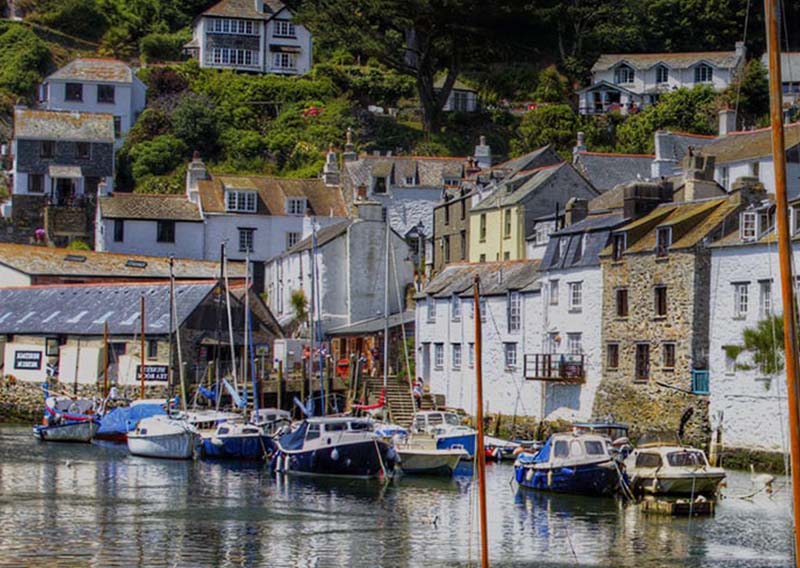
The original 'Capital of Rathmor'. A large natural harbour and navigable river access to the islands interior meant Talporth was a very important place to control.
History
Towns
Talporth
Talporth Maps
Talporth
Talporth (TAL-porth) – From Welsh tal “brow, head, or end” and Cornish porth “harbour.” Meaning “Harbour at the Headland.” The name reflects its position at the mouth of a river with both seaward access and inland reach.
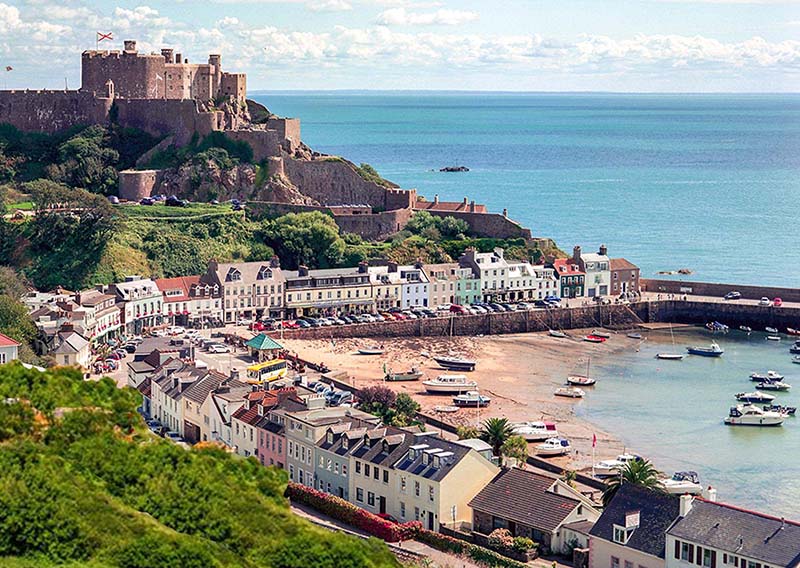
Talporth Castle
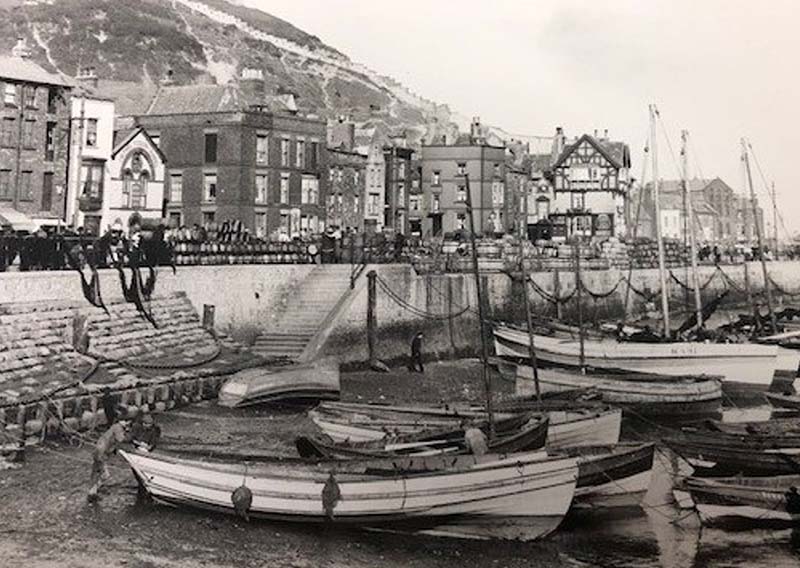
Talporth Harbour c1880
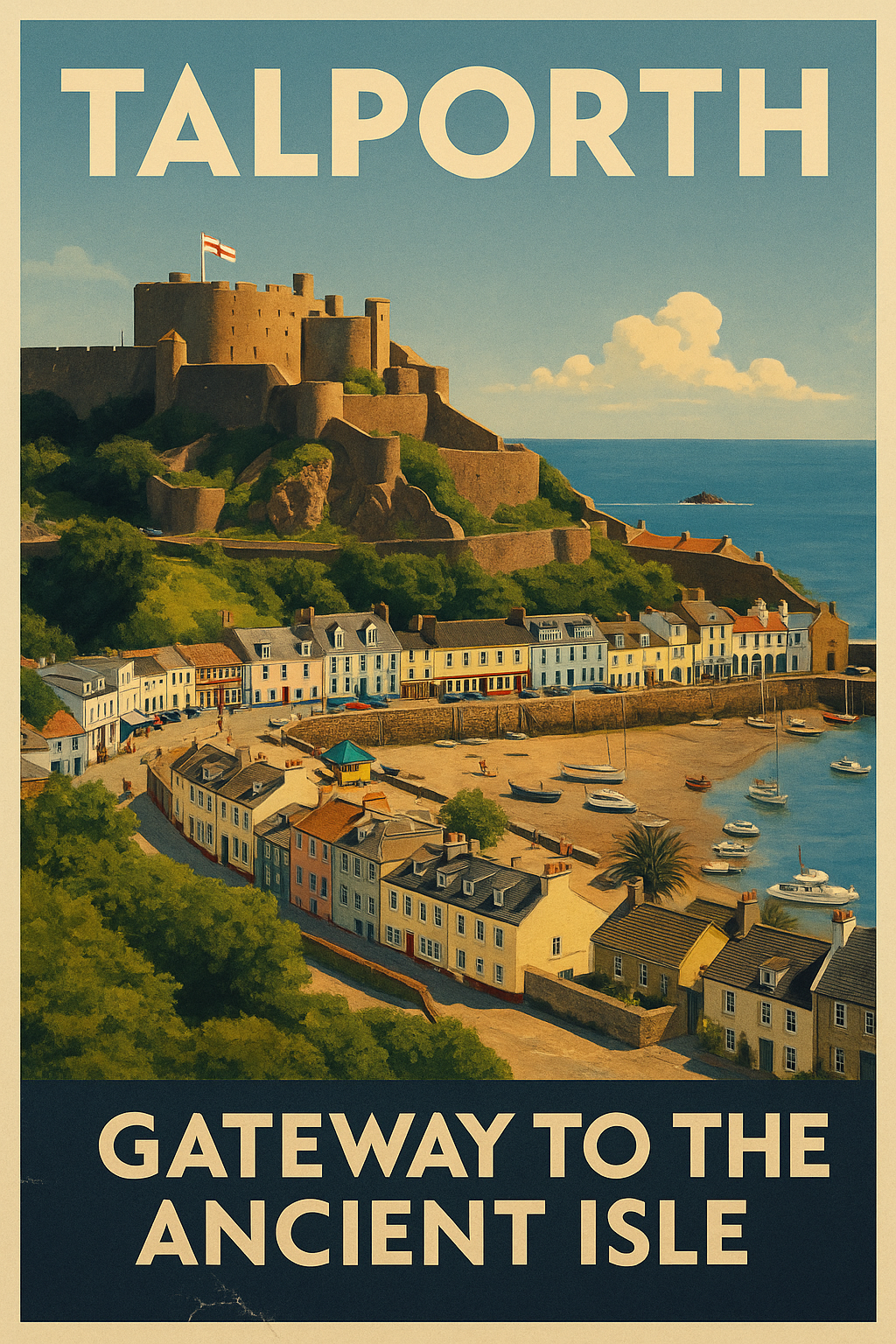
c1920s Advert
Talporth, once the seat of Rathmor’s earliest kings, grew around its great natural harbour and river. From castle walls to railway yards, it has long stood as the gateway to the interior, a place where legend, trade, and industry meet.
The town of Talporth occupies one of the most strategically important sites in Rathmor. Its wide natural harbour, sheltered by rocky headlands, and its river that runs deep into the interior made it the obvious choice for settlement, trade, and defence. Long before the rise of the other big towns such as Abercain, Gwynhaven or Llanchala, Talporth was known as the “Capital of Rathmor,” the stronghold from which rulers governed.
Archaeological evidence suggests that fortifications were built here as early as the Iron Age. By the medieval period, Talporth was a fortified port, its walls rising around a bustling quayside. The castle overlooking the harbour, attributed to King Maelgwn in the 9th century, was later expanded by successive rulers eager to control both the sea approaches and the inland river routes. The castle keep still stands, its towers weathered by sea winds, a testament to centuries of strategic power.
Myth and legend cling to the town as firmly as its stone walls. Local folklore tells of the Sea King Bran, who was said to have landed at Talporth with a fleet of black-sailed ships. Another tale speaks of a hidden crown buried beneath the castle chapel, guarded by ghostly watchmen who march along the battlements at night.
Today, Talporth is both historic and modern: a thriving port, a magnet for tourists in search of the islands' royal past, and a town where ancient stones meet the noise of shipyards and brickworks.
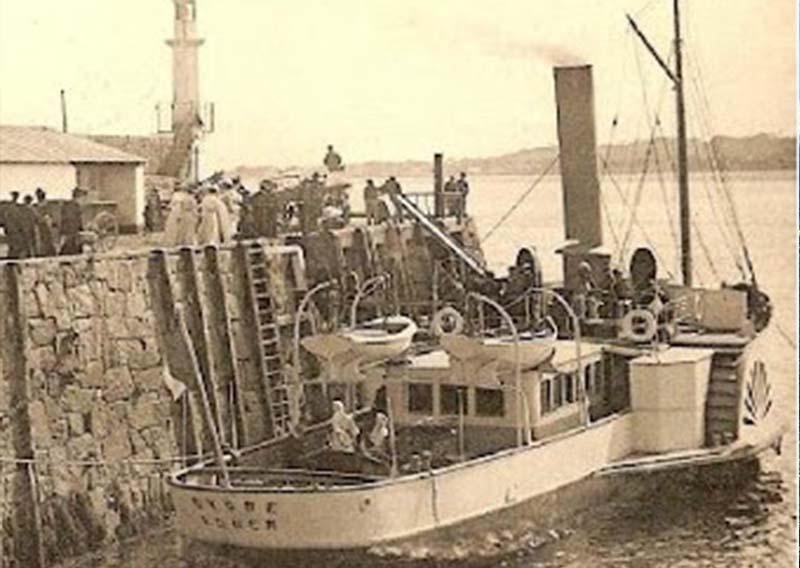
Talporth to Aberfael ferry c1895
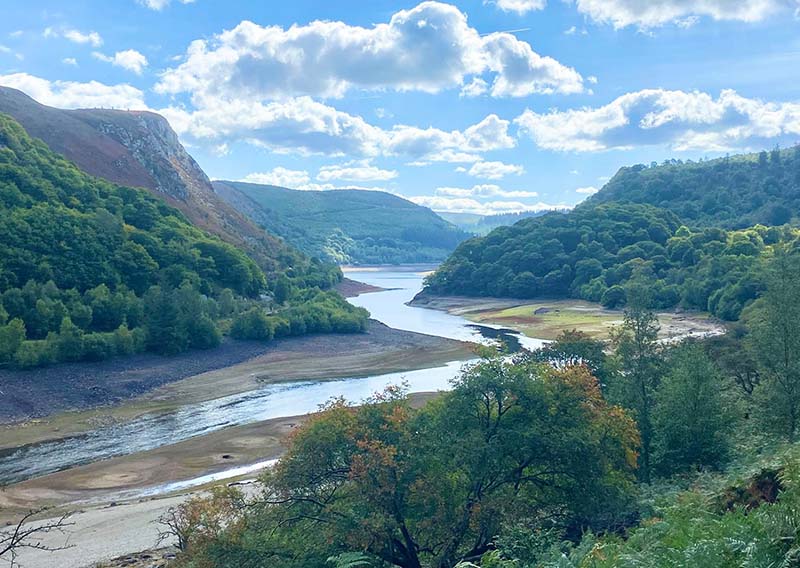
View inland from Talporth towards Yeyn Keveren
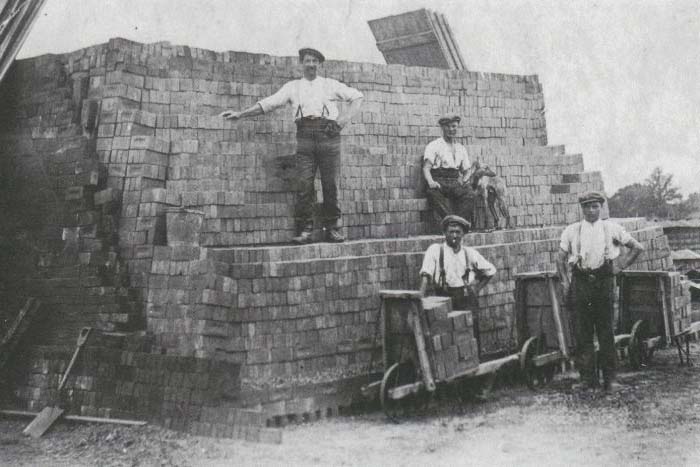
Talporth Brick Co c1910
Clay and the Brickworks of Talporth
The western hills of Rathmor hold rich seams of clay, and from this resource grew one of the island’s most distinctive industries: brickmaking. Talporth became the heart of this trade, its kilns glowing red by night, their tall chimneys rising like sentinels over the town. Folklore claims the clay was a gift from the earth goddess herself, shaping not only the land but the people who dwell upon it. Workers traditionally touched the ground with bare hands at the start of each shift, a quiet ritual of thanks.
Brickworks transformed Talporth in the 19th century. Where once the town had been a modest ferry port, it grew into a booming industrial hub. Bricks from Talporth built schools, warehouses, and houses not only across Rathmor but also in Glynoch, Sorcha and beyond. The distinctive reddish hue of Rathmor brick became a symbol of progress and permanence, its strength trusted for harbours, factories, and rail stations alike.
The railway was vital: clay could be brought from pits to kilns, and finished bricks shipped directly to construction sites. Talporth’s quays thrummed with activity, barges loading bricks by the ton. The industry employed hundreds, from clay diggers to kilnmen, and shaped the very character of the town. Even today, Talporth proudly calls itself the “Brickmaker’s Town,” and its streets are lined with buildings born of its own earth.
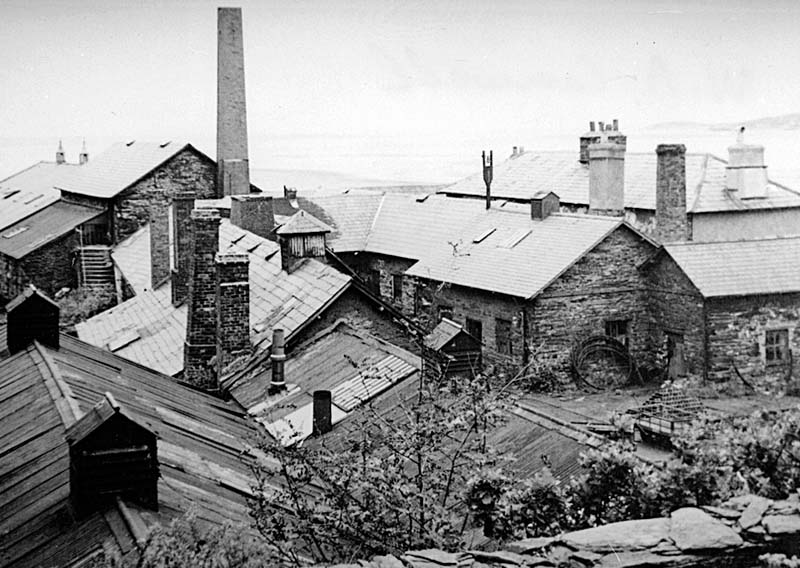
Talporth Brickworks c1925
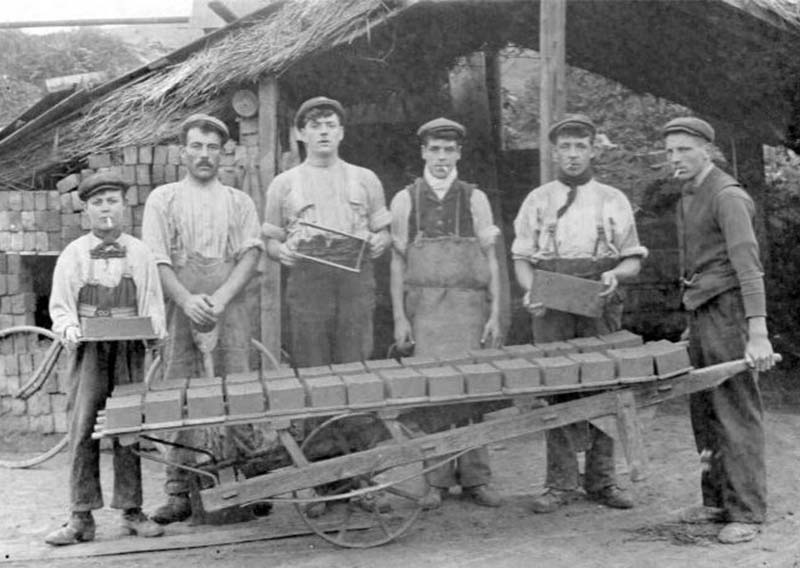
Workers at Talporth Brick co. c1901
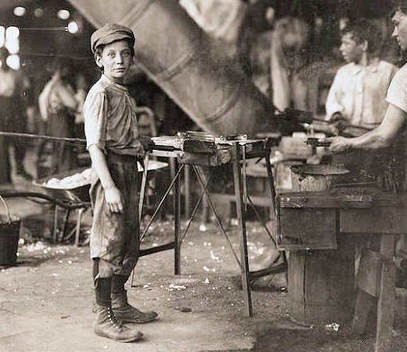
Talporth Glass c1900
The Glassmaking Industry of Talporth
Nestled in the north-west corner of Rathmor, the town of Talporth has long been celebrated as the beating heart of the islands’ glassmaking tradition. The industry owes its origins to the exceptionally pure silica sands found in the region—most notably along the coast and within the shallow channels of The Straights, where centuries of tides have deposited fine, high-quality quartz sand. Later quarrying efforts uncovered even larger inland seams, ensuring that Talporth would have a near-endless supply of one of glassmaking’s most vital ingredients. With this natural advantage, the town evolved from a small community of coastal artisans into a bustling centre of innovation and craftsmanship.
The distinctive character of Talporth glass comes from its use of potash derived from burnt kelp, sourced from the seaweed farms of Falachfaen. This potash glass is known for its clarity, brightness, and ability to take colour beautifully, qualities that set Talporth products apart in markets across the islands and on the mainland. Craftsmen here produce an impressive array of goods: delicate drinking vessels, intricately etched perfume bottles, robust storage jars for household use, and finely blown lampshades prized for their warm, even glow. Decorative items such as glass beads, figurines, and paperweights—each shimmering with the subtle greenish tint characteristic of potash glass—remain popular with visitors.
Colouring the glass is an art in itself. Cobalt oxide lends a deep oceanic blue, while manganese produces shades from pale amethyst to rich violet. Iron gives soft greens, and selenium allows for vibrant reds and oranges. Talporth artisans experimented with these minerals over generations, creating a palette that has become a signature of Rathmorian craftsmanship.
Perhaps the town’s most influential contribution to the wider economy came with the development of a simple, reliable method of producing sheet glass. This breakthrough revolutionised local construction. Paired with bricks from the neighbouring kilns, entire buildings across the islands—shops, schools, lighthouses, and civic halls—were clad and illuminated using materials sourced entirely from Rathmor itself.
Talporth stands today as a shining example of how these islands have not merely survived in relative isolation, but thrived. Its glassware is exported far more widely than goods are imported, embodying a resourceful, self-sufficient spirit. Long may the fires of the Talporth furnaces continue to burn.
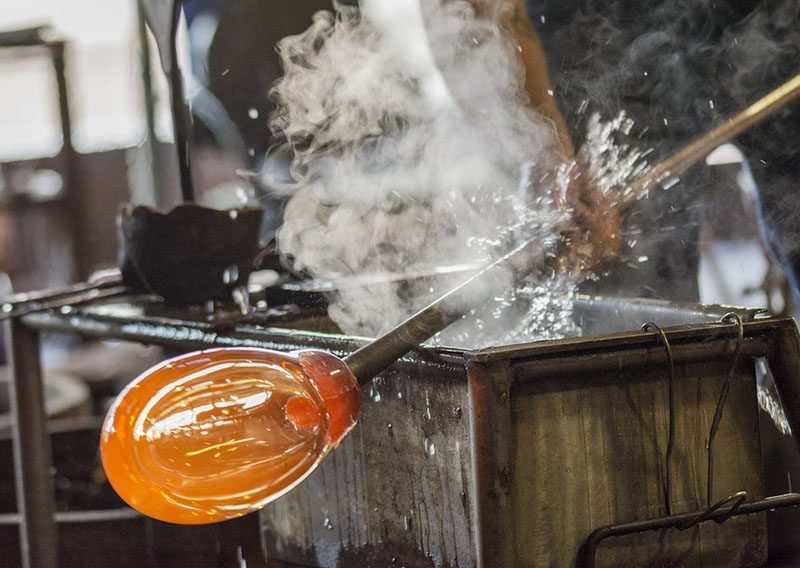
Glass blowing – Talporth
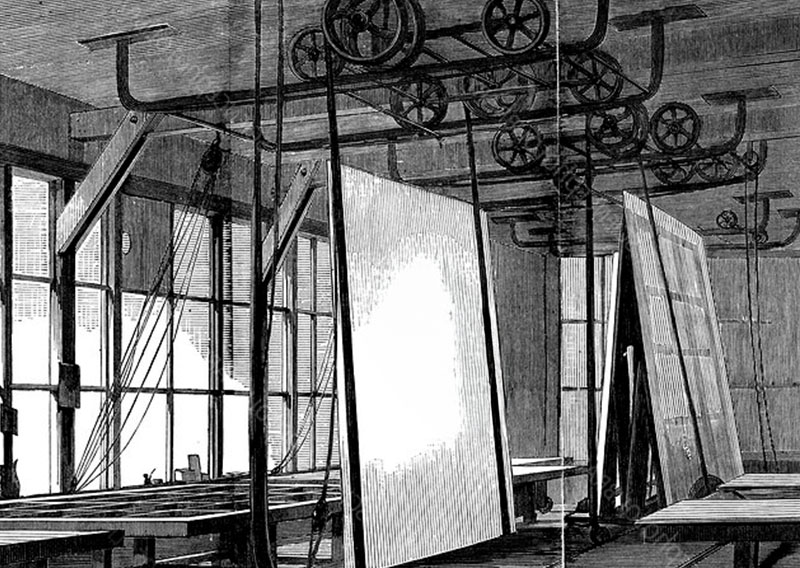
19th-century sheet glass production – Talporth
The Railways of Talporth
The industrial rise of Talporth was accelerated by the coming of the railways, which transformed the town from a defensive stronghold into a hub of trade and transport. The first line appeared in 1845: a horse-drawn plateway climbing the valley to Yeyn Keveren, worked by ropes and inclines to bring slate down from the quarries. The original route was progressively upgraded, and by 1862 a steam-worked railway had replaced the horse-drawn operation, primarily serving the rapidly expanding slate trade.
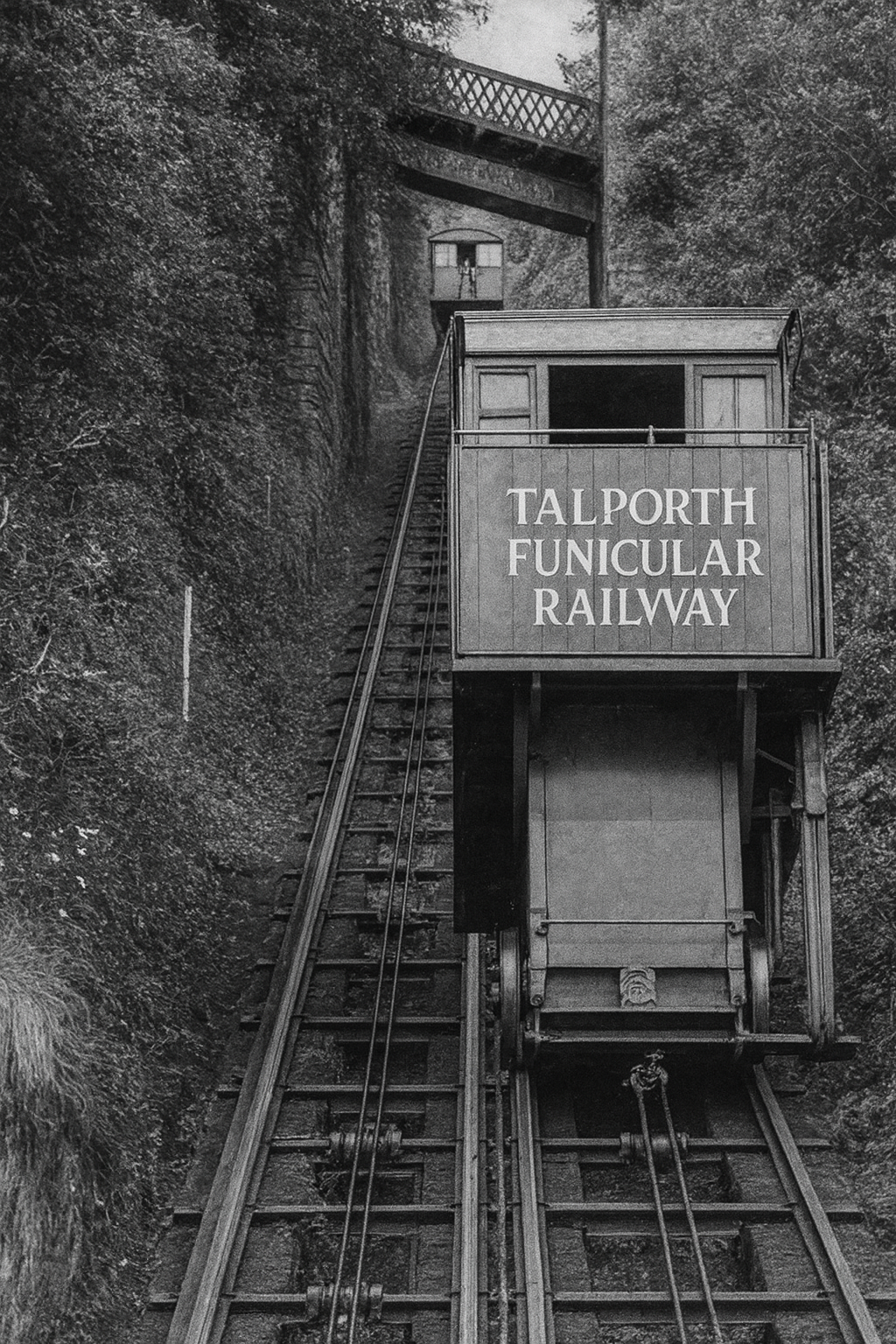
Talporth Funicular Rly
Talporth also became the cradle of passenger services. In 1860, the Talporth and Feorag Railway opened its line across the moors, carrying workers and visitors through the great peat bogs of Feorag. The sight of small steam trains puffing across the uplands captured the imagination of travellers and began Talporth’s long association with excursion traffic. Due to the local geology, the passenger station was built high above the town, so in 1867 a funicular railway was constructed allowing arriving and departing passengers an easy transfer from rail to town. A further cable-powered tramway was built soon after taking passengers up from the station to the 'Dragons Nose' viewpoint with stunning views back over Talporth and beyond. An electric tram was built along the promenade from the funicular, but it was very much more a novelty for the tourists than having any major function.
Traces of the old plateway survive. Much of it was upgraded, and one section is still in use, repurposed to bring clay and sand down from the hills to supply the Talporth brickworks, one of the town’s enduring industries.
By the late 19th century, Talporth had become a railway hub of real importance. Passenger services linked it not only with Feorag but also with Llanchala, Falachor, and the towns of the south and east via the Gorofan gorge. This web of connections gave Talporth access to both raw materials and distant markets, cementing its role as an industrial and commercial powerhouse.
Today, the clang of industry mixes with the hiss of steam on preserved services and the hum of modern trains. The railway remains as vital to Talporth’s story as the castle walls above the harbour—two monuments to the power and resilience of this remarkable town.
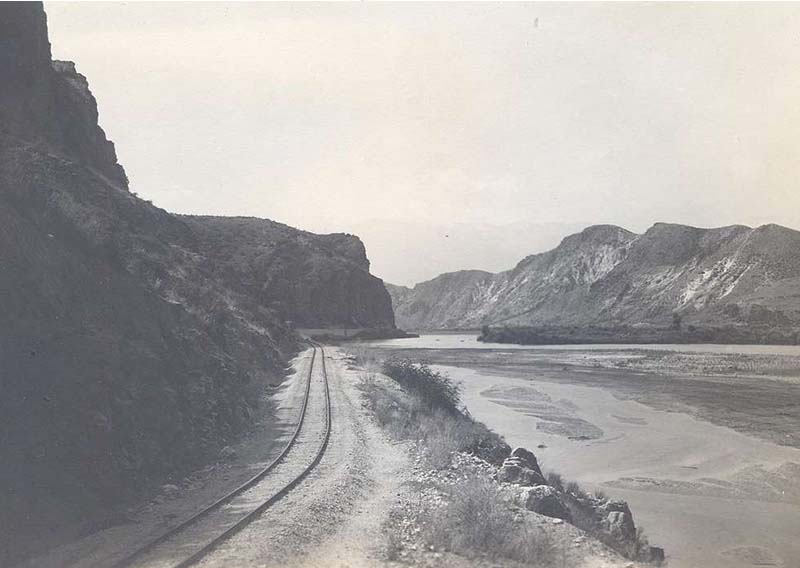
Talporth Valley Tramway c1850
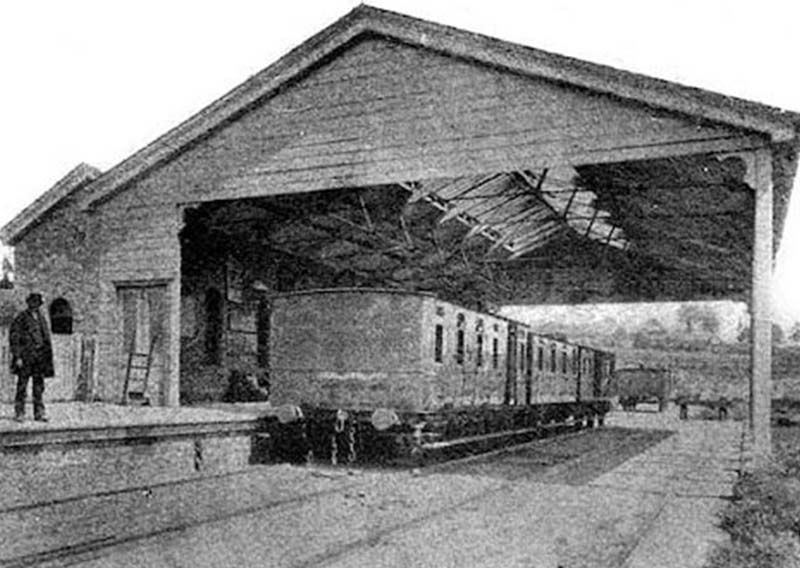
Talporth c1862
History
Towns
Talporth
Talporth Maps
Talporth
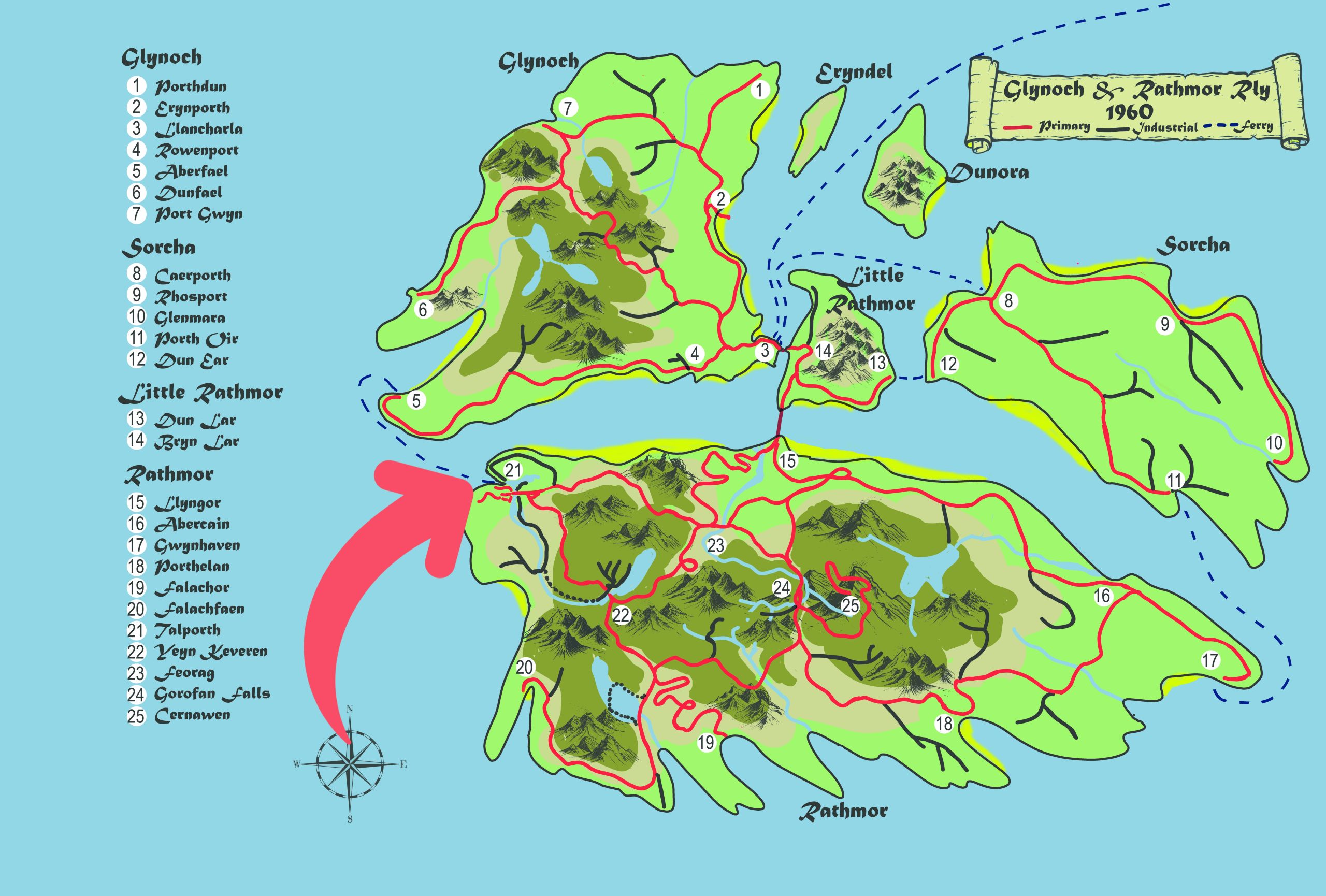
Located on the north-west coast of Rathmor
Explore More Towns...
...View All Towns