


Rathmor Limestone
For centuries, quarrymen have hewn this stone from the island’s cliffs and uplands, sending block after block to the harbours where waiting ships bore it to distant shores.
History
Industries

Limestone
Map
Rathmor Limestone
Bryn Lar is famed for its quarries of Rathmor Limestone, a pale and durable stone that has long been one of the island’s greatest treasures. Prized across the islands, it is instantly recognizable by its subtle sea-washed hues—creamy white streaked with hints of grey and blue. For centuries, quarrymen have hewn this stone from the island’s cliffs and uplands, sending block after block to the harbours where waiting ships bore it to distant shores.
From the fortified harbour walls of Llanchala to the stout piers of Bryn Lar, Rathmor Limestone has shaped the very bones of island life. Its enduring strength against salt spray and storm surges made it the natural choice for maritime construction. Harbours, breakwaters, and sea walls across the archipelago rose from it, standing firm against winter gales that would have swept lesser works away. In many towns, the limestone was not just practical but symbolic: to build with Rathmor stone was to anchor oneself in permanence and protection, a reminder that the sea could be both friend and foe.
Generations of quarrymen carved their livelihoods from the rock, and their traditions still echo in local memory. Folklore insists that the stone “holds the memory of the sea,” its pale surface whispering with the voices of ancient waves. To ensure safe passage, masons developed a ritual of tapping each block three times with their hammers before loading it onto the carts bound for harbour. This was not mere superstition; it was believed to awaken the stone and carry a blessing of protection to the builders who would set it into the foundations of towns far beyond Little Rathmor.
With the conversion of the old tramway into a modern railway in the mid-19th century, the limestone trade entered a golden age. Rail wagons, far swifter and more efficient than ox-carts, carried vast tonnages from quarry face to harbour. Rathmor stone now went not only to harbours but also to civic buildings, churches, lighthouses, and even the great railway viaducts that stitched the communities together.
The work was harsh, the risks many—falls, dust, and sudden rockslides—but it bound the community with pride. Quarry families often worked the same faces for generations, passing down skills and stories alongside the hammers and chisels. Today, many harbours and seawalls across the islands still stand strong, their pale blocks a living monument to Little Rathmor’s enduring gift.
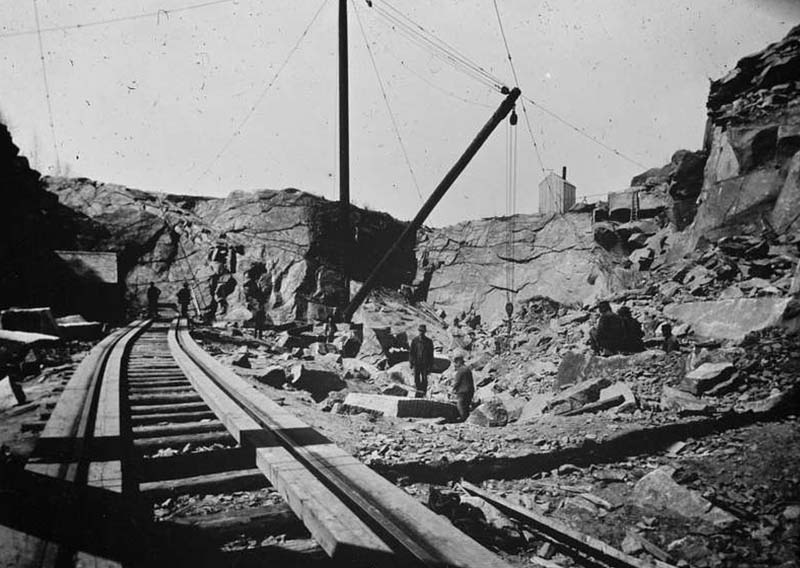
Bryn Lar limestone tramway c1840
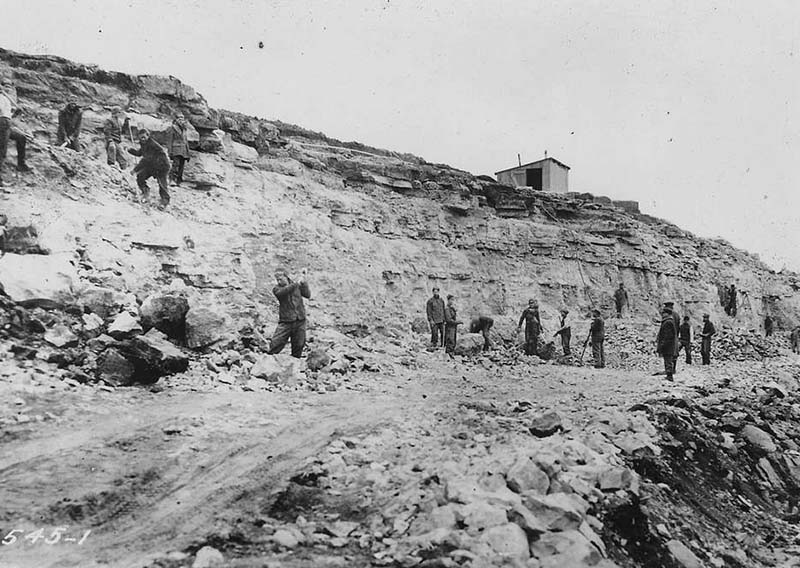
Little Rathmor limestone quarry
History
Industries
Limestone
Map
Rathmor Limestone
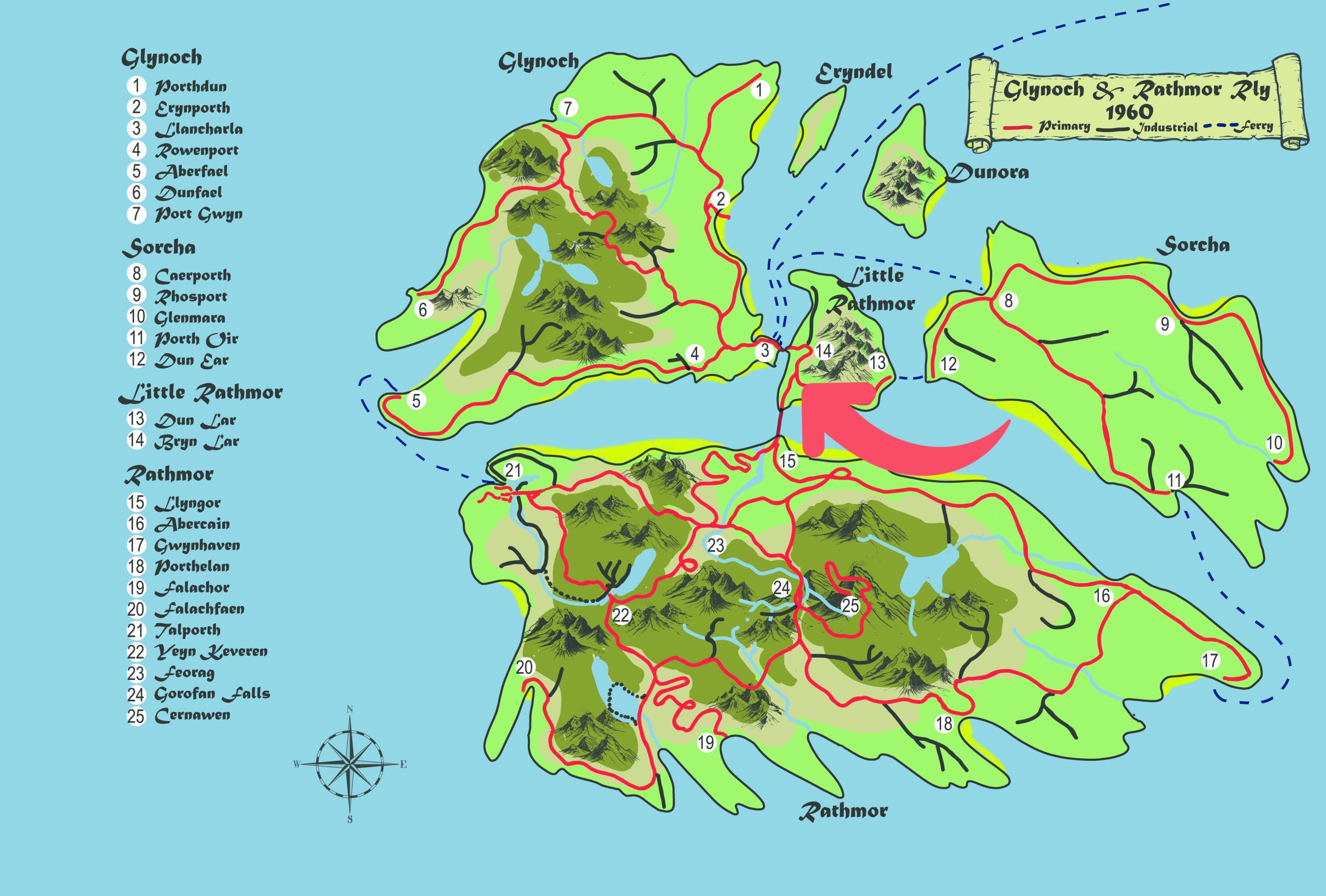
Located in the quarries of Little Rathmor
More Industries....