


Beef Farming on Glynoch
Beef farming has long been a defining feature of northern Glynoch, and nowhere is this heritage more vividly expressed than in and around the busy market town of Porth Dun
History
Industries
Beef Farming
Map
Beef Farming on Glynoch
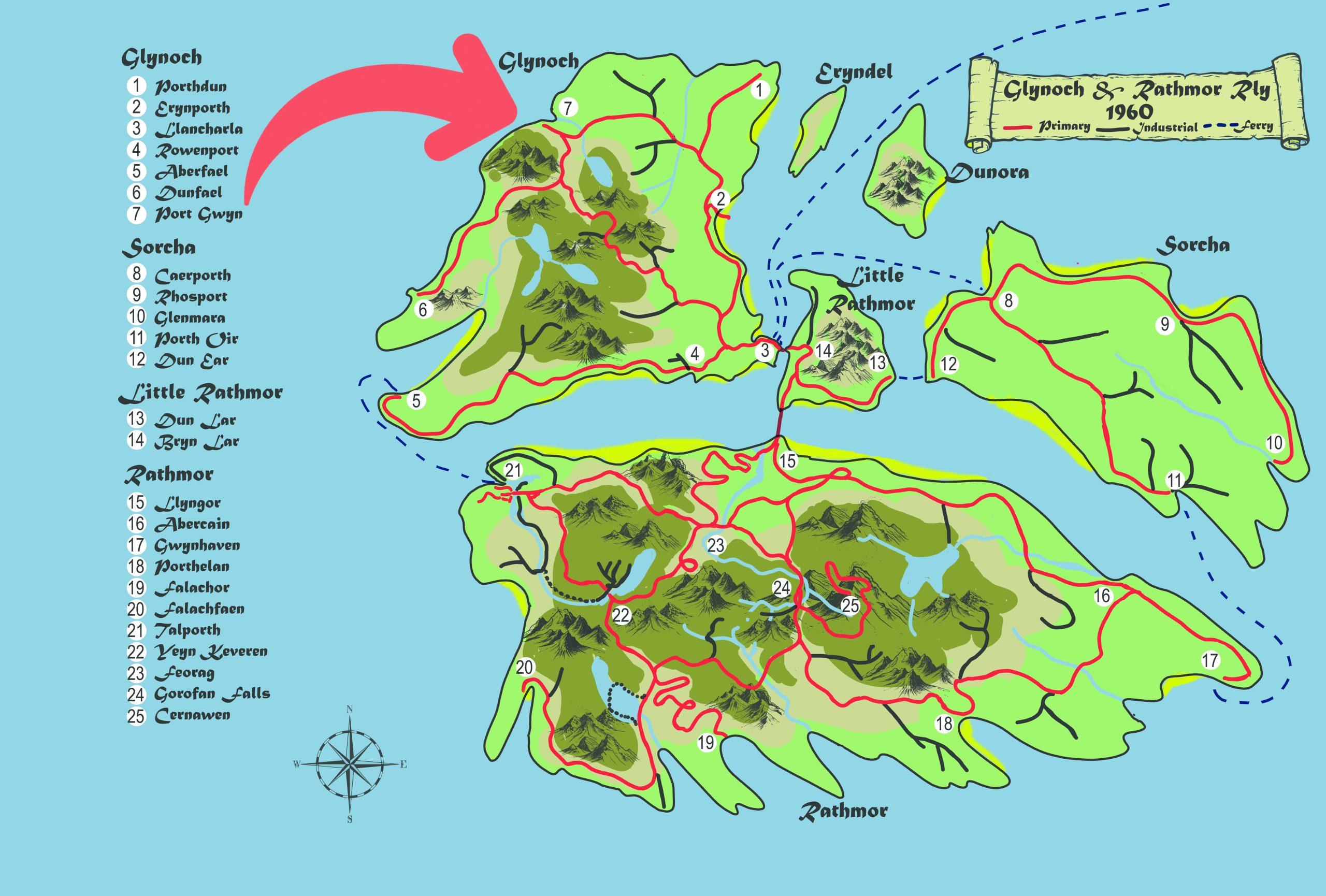
Beef farming has long been a defining feature of northern Glynoch, and nowhere is this heritage more vividly expressed than in and around the busy market town of Port Gwyn. Although the island’s agricultural tradition stretches back centuries, the industry as it exists today owes much to the ambitious land-reclamation schemes of the late 19th and early 20th centuries. These projects transformed previously unusable marsh and tidal flats in northern Glynoch into fertile, workable pasture. Once the needs of the salt pans and the expansive Esparto grass plantations were met, the newly recovered ground was allocated to grazing, opening a new era of prosperity for the region.
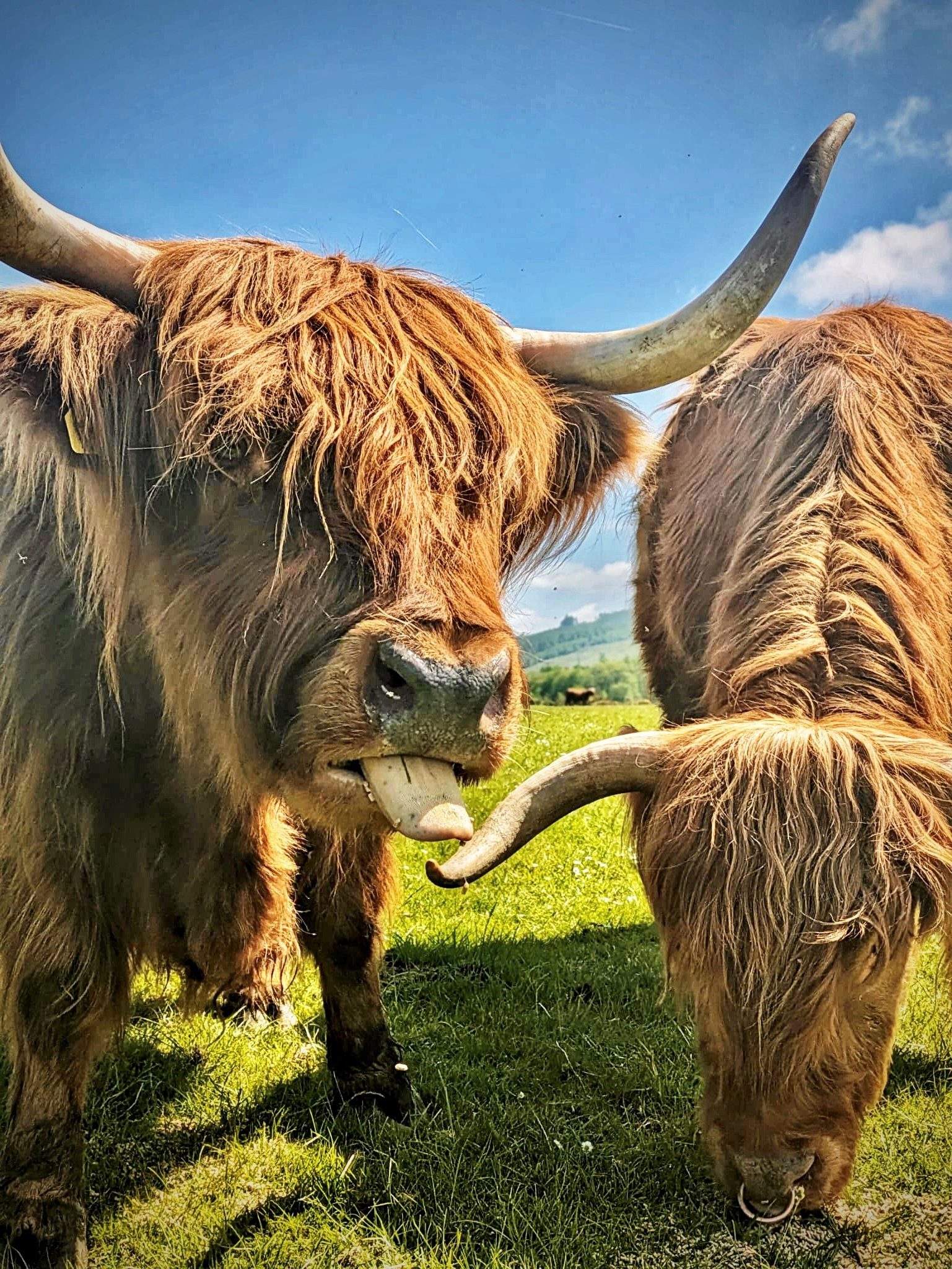
Cattle on Rathmor
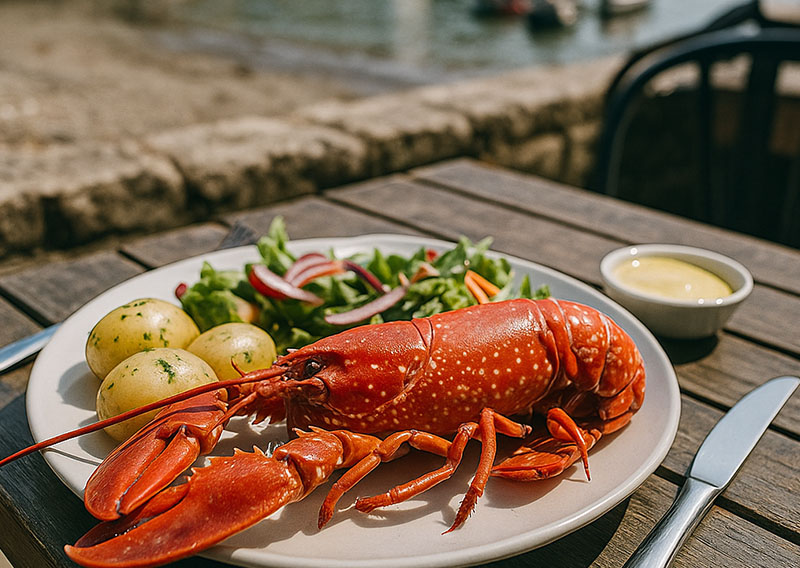
The conditions on this reclaimed land proved surprisingly well-suited to cattle. The brackish grasses that thrive in the mineral-rich soils became the hallmark of the island’s beef industry. Cattle reared on this uniquely flavoured forage developed meat with a distinctive character—deeply savoury, slightly maritime, and wholly unlike anything produced elsewhere in the archipelago. Chefs across the islands quickly took note, and Port Gwyn beef gained a reputation as one of Glynoch’s most prized regional delicacies.
The advent of modern refrigeration brought an even greater transformation. What was once a product enjoyed mainly within the island chain can now be found on menus in all corners of northern Europe, shipped out weekly in insulated containers from the processing houses. This export trade has elevated the local economy and placed Glynoch firmly on the map as a centre of high-quality beef production.
Equally vital to the industry’s success is the island’s railway network. Routes originally built for passengers and light freight now play an essential logistical role, transporting cattle to fresh grazing grounds throughout the islands. The same lines also carry animals to market in Port Gwyn and onward to the bustling port of Llanchala, where many are shipped live or processed for export. These efficient transport links allow farmers to rotate herds seasonally, preserving the health of the pastures and maintaining the superior quality of the beef.
Today, beef farming remains one of Glynoch’s proudest rural traditions—a blend of natural conditions, human ingenuity, and the unmistakable flavour of the island itself.
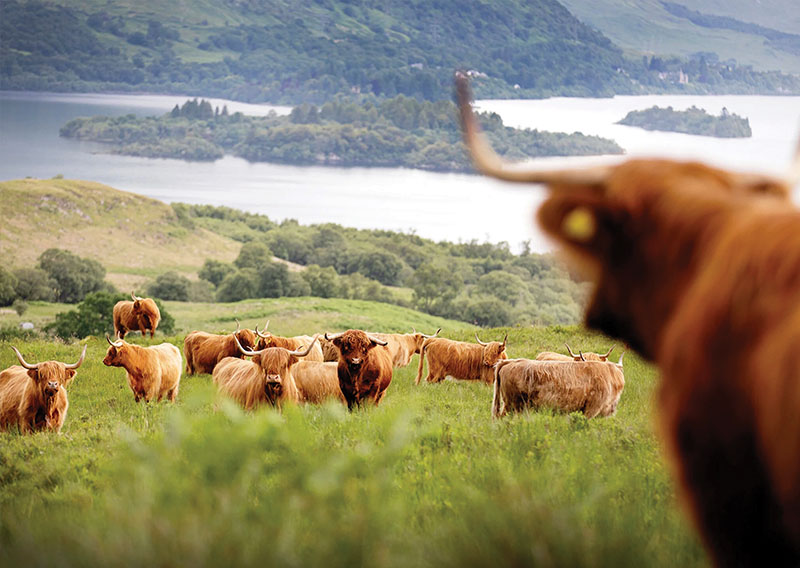
Beef herd, near Port Gwyn - Glynoch
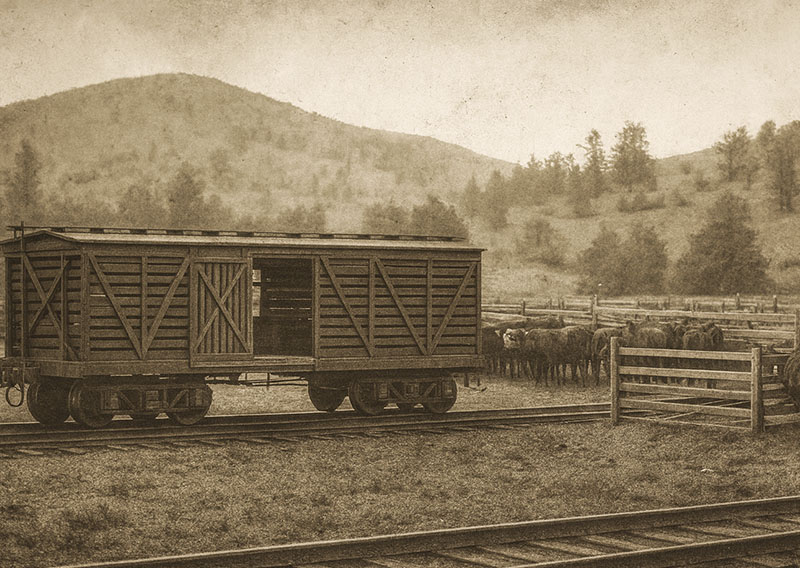
Livestock wagon, Port Gwyn c1930
History
Industries
Beef Farming
Map
Beef Farming on Glynoch
Located in the lowlands of northern Glynoch.
Related Articles...

1855: Glynoch Mineral Railway Company
From Llanchala’s industrial districts to the mountains and western shores […] ...
1876: Glynoch Central Railway
Born out of boardroom conflict, it became one of the […] ...

Railways of Glynoch
Glynoch’s railways criss-cross the landscape, conquering hills and marshes alike ...
More Industries....

0 Comments