


7. Port Gwyn History
Once a remote fishing hamlet cut off by salt marshes, has become a thriving port town shaped by reclamation, railways, and the tenacity of its people.
History
Towns
Port Gwyn
Port Gwyn Maps
Port Gwyn
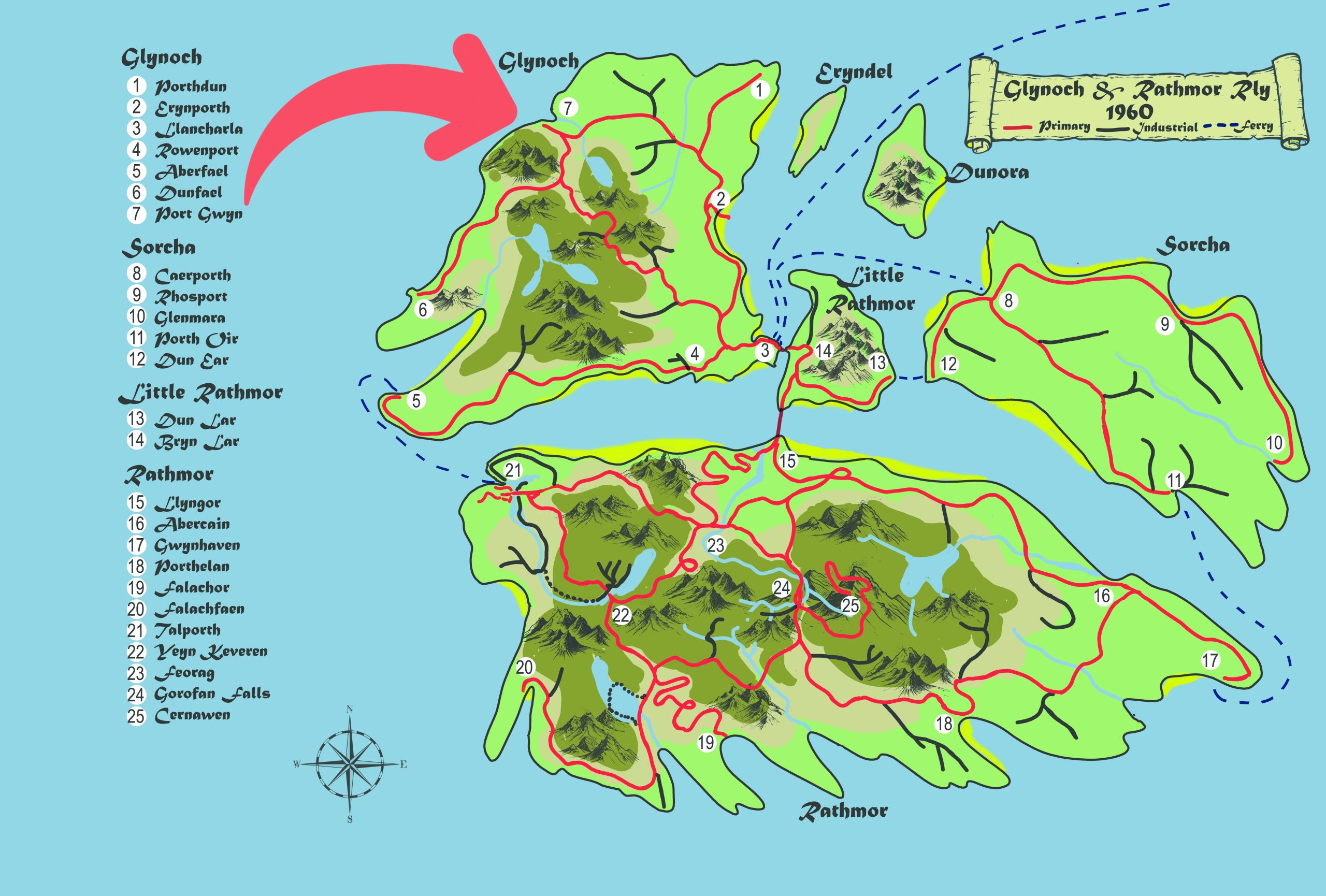
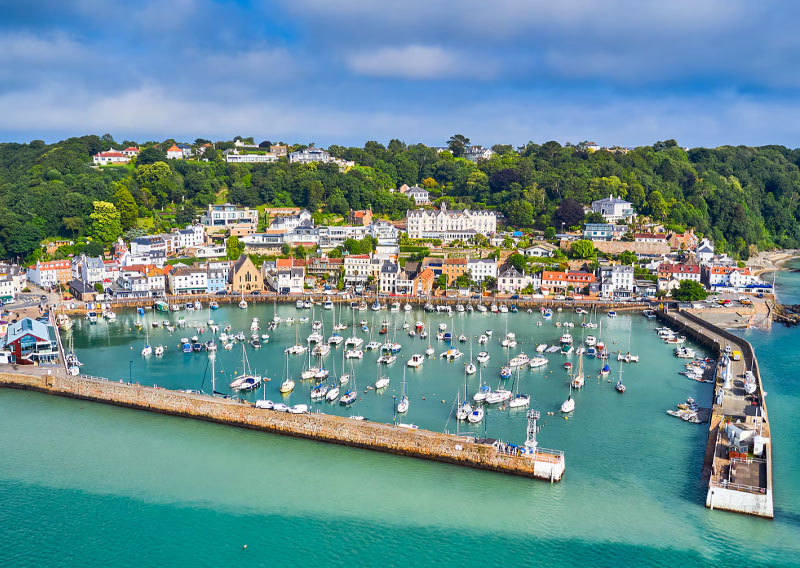
Port Gwyn (POR-gwin) – A fishing and agricultural town on the north west coast of Glynoch. Originally isolated by salt marshes, it grew into a vital hub after extensive land reclamation and the arrival of the railway. Known for fishing, farming, and the cultivation of Esparto Grass.
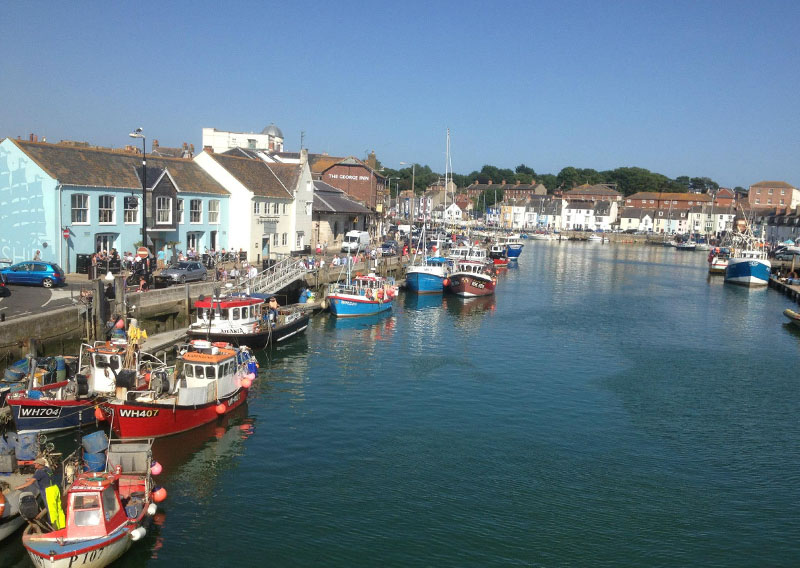
Port Gwyn
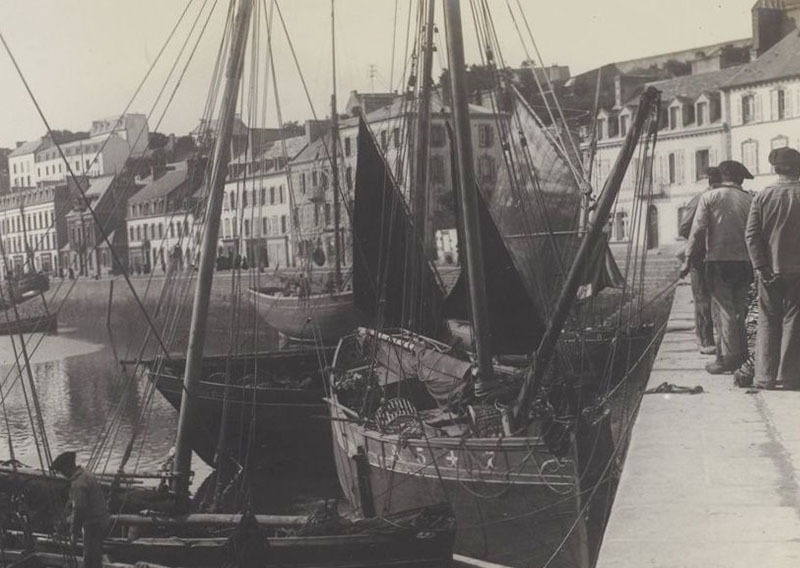
Port Gwyn c1890
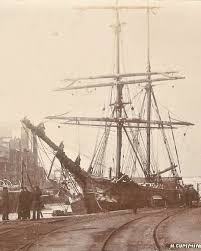
Port Gwyn Quuayside c1880
Port Gwyn began life as a fishing town, a cluster of cottages and boats strung along a natural inlet on Glynoch’s rugged northern coast. For centuries it was nearly cut off from the island’s interior, the vast salt marshes stretching for miles behind it leaving little land for farming and making land travel slow and treacherous. Isolation, however, gave Port Gwyn a distinctive character: its fishermen became famed for their resilience, and their catches supplied not only the surrounding villages but also ships that passed close to Glynoch’s northern shores.
The transformation came in the 19th century, when ambitious land reclamation projects drained and tamed thousands of acres of marsh. What was once brackish, boggy wasteland was converted into usable farmland, ideally suited to grazing cattle and growing hardy crops. Most notable was the introduction of Esparto Grass, a tough, wiry plant that thrived in the reclaimed soils. Used for papermaking and rope, Esparto became one of Port Gwyn’s most profitable exports, adding to its fishing wealth.
This reclamation also created a direct overland route to the rest of Glynoch, opening Port Gwyn to trade and travel. Where once the town seemed an isolated outpost, it quickly developed into a small but bustling port community, blending its maritime roots with new agricultural industries. Today, Port Gwyn is as much defined by its green reclaimed fields as by its fishing boats, a place where ingenuity and determination overcame geography.
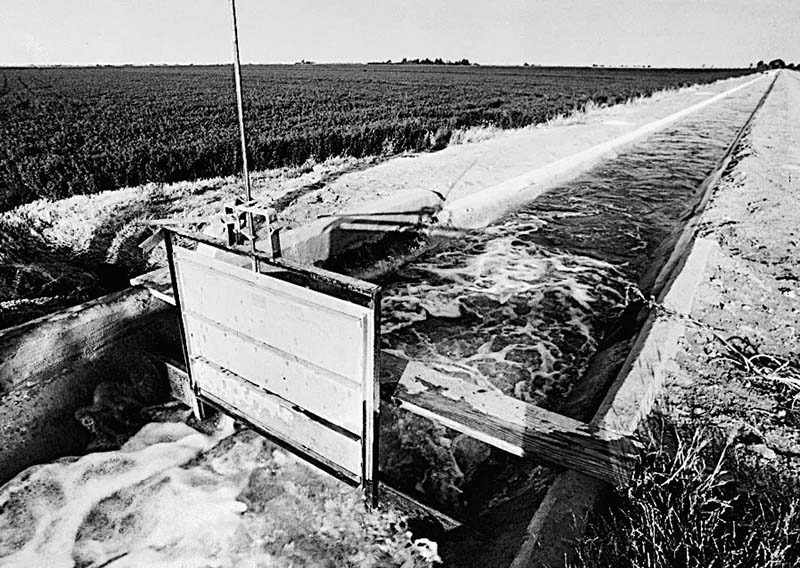
Glynoch Land Reclamation
Land Reclamation in North Glynoch
Between Porthdun and Port Gwyn once stretched a vast expanse of salt marshes. For centuries, these lowlands were seen as treacherous and useless, regularly drowned by spring tides that swept far inland. Locals spoke of “The Drowned Fields,” haunted by the ghosts of farmers who tried and failed to tame the land. Yet in the late 18th century, a visionary landowner set his sights on reclamation. With embankments of stone and earth, channels cut to drain the tides, sluices fitted to control the flow and windmills to pump the fields dry, the marshes were slowly wrested from the sea. The work took decades, employing hundreds of laborers, but the reward was land both fertile and rich in hidden resources.
As well as creating much needed space for additional agriculture, the reclaimed lands created new opportunities, two of which have endured and prospered to this day. The first was sea salt. Shallow evaporation pans were dug into the flats, where seawater was trapped and dried by sun and wind. This produced pure, crystalline salt, prized for preserving fish and meat. Before the railway, Glynoch relied on imported salt, but the new salt works soon met local demand and exported to other islands, their product branded as the “White Gold of Glynoch.” The salt production was mainly based in the east and controlled from Porth Dun.
The second innovation, and the one embraced fully by the people of Port Gwyn, was the cultivation of esparto grass, a hardy plant that thrived in the brackish reclaimed soils. Traditionally used for rope and matting, the landowner saw a greater potential: esparto could be pulped into high-quality paper. Bales of the grass were sent by rail to the paper mills of Llanchala, where they were transformed into strong, fine sheets. Esparto paper gained a reputation for durability and was used for books, ledgers, and even government documents.
The reclamation not only reshaped the landscape but also the fortunes of Glynoch. Where once only seabirds wheeled over desolate marsh, now stood salt pans, fields of waving grass, and thriving industries. The transformation became a symbol of human ingenuity triumphing over nature’s challenges, turning drowned land into a cornerstone of Glynoch’s prosperity.
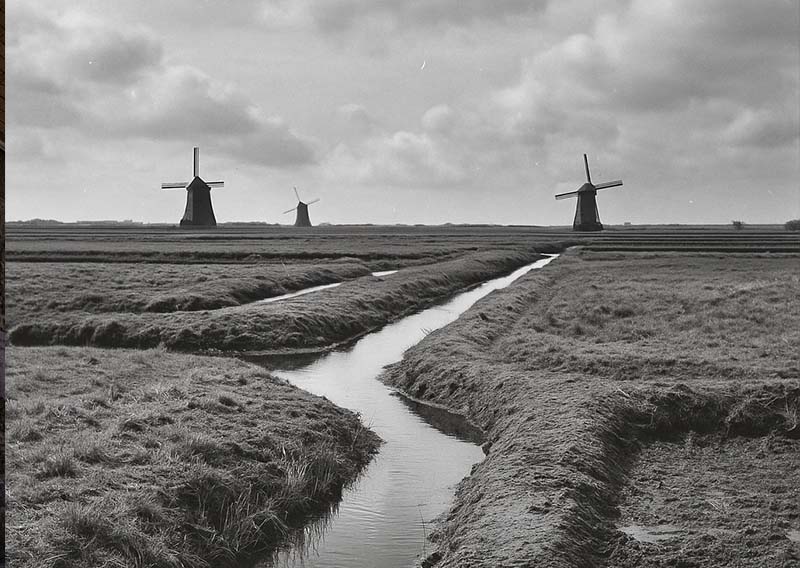
Land Reclamation - North Glynoch c1860
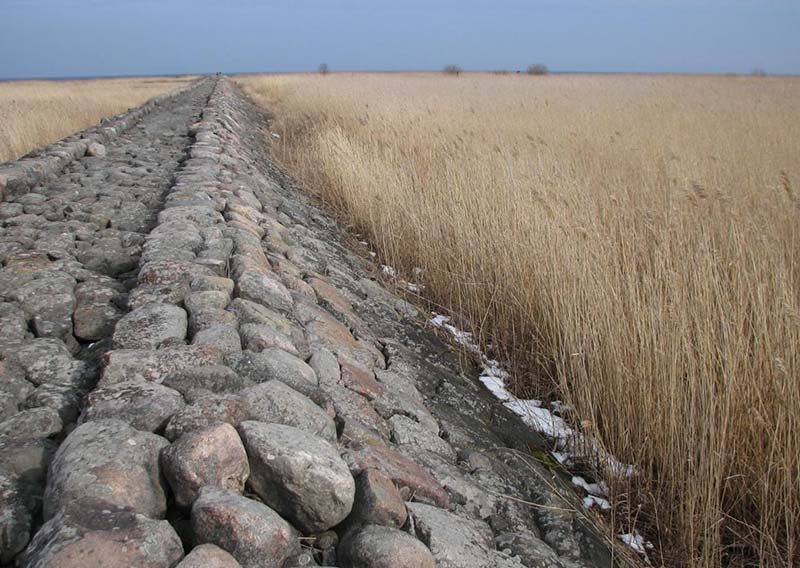
Land Reclamation Barrier - near Port Gwyn

Cattle on Rathmor
Beef Farming on Glynoch
Beef farming has long been a defining feature of northern Glynoch, and nowhere is this heritage more vividly expressed than in and around the busy market town of Port Gwyn. Although the island’s agricultural tradition stretches back centuries, the industry as it exists today owes much to the ambitious land-reclamation schemes of the late 19th and early 20th centuries. These projects transformed previously unusable marsh and tidal flats in northern Glynoch into fertile, workable pasture. Once the needs of the salt pans and the expansive Esparto grass plantations were met, the newly recovered ground was allocated to grazing, opening a new era of prosperity for the region.
The conditions on this reclaimed land proved surprisingly well-suited to cattle. The brackish grasses that thrive in the mineral-rich soils became the hallmark of the island’s beef industry. Cattle reared on this uniquely flavoured forage developed meat with a distinctive character—deeply savoury, slightly maritime, and wholly unlike anything produced elsewhere in the archipelago. Chefs across the islands quickly took note, and Port Gwyn beef gained a reputation as one of Glynoch’s most prized regional delicacies.
The advent of modern refrigeration brought an even greater transformation. What was once a product enjoyed mainly within the island chain can now be found on menus in all corners of northern Europe, shipped out weekly in insulated containers from the processing houses. This export trade has elevated the local economy and placed Glynoch firmly on the map as a centre of high-quality beef production.
Equally vital to the industry’s success is the island’s railway network. Routes originally built for passengers and light freight now play an essential logistical role, transporting cattle to fresh grazing grounds throughout the islands. The same lines also carry animals to market in Port Gwyn and onward to the bustling port of Llanchala, where many are shipped live or processed for export. These efficient transport links allow farmers to rotate herds seasonally, preserving the health of the pastures and maintaining the superior quality of the beef.
Today, beef farming remains one of Glynoch’s proudest rural traditions—a blend of natural conditions, human ingenuity, and the unmistakable flavour of the island itself.
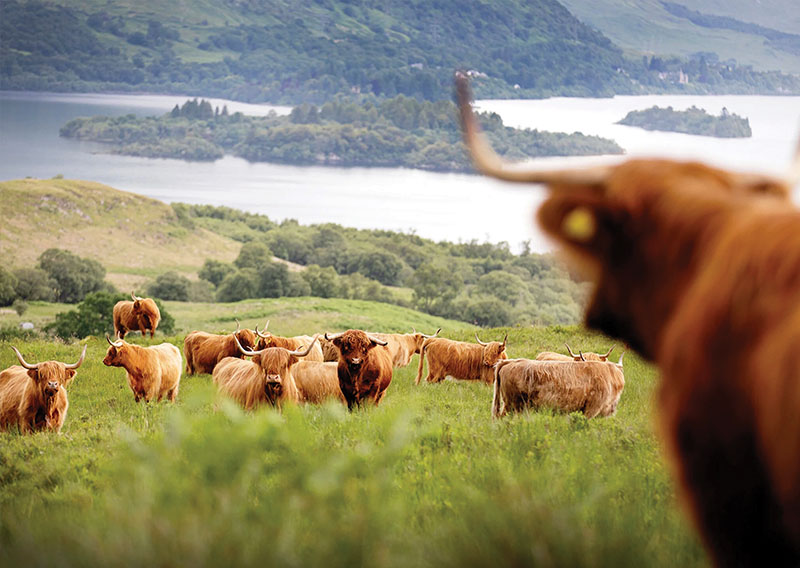
Beef herd, near Port Gwyn
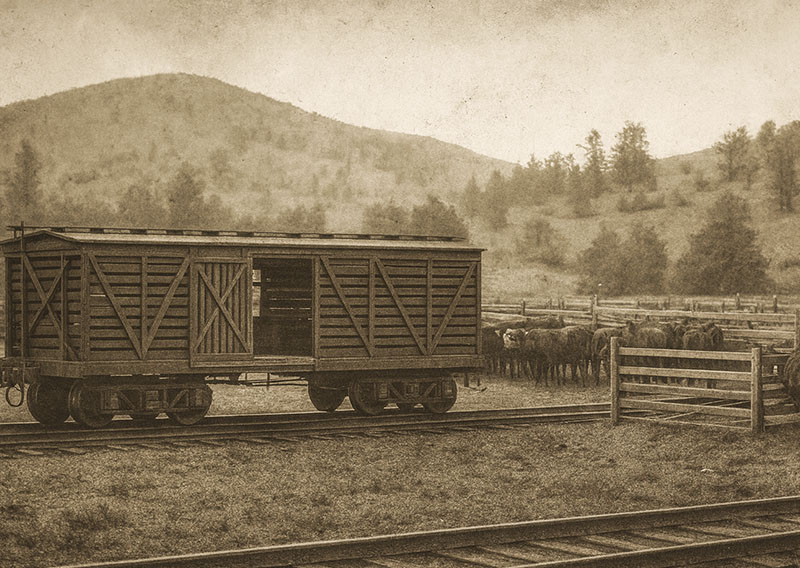
Livestock wagon, Port Gwyn c1930
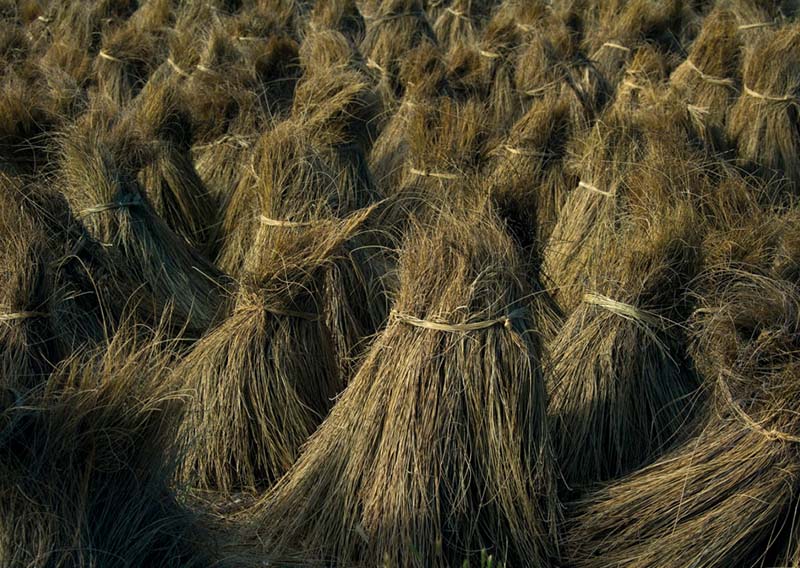
Esparto Grass bales
Esparto Grass Production on the Northern Plains of Glynoch
The reclaimed northern plains of Glynoch—flat, wind-brushed expanses stretching between Porthdun and Port Gwyn—are today dominated by vast fields of Esparto grass, one of the most distinctive and valuable crops of the Celtic Islands. Yet these fertile tracts were once little more than tidal mudflats and brackish marshes, cut off from the rest of Glynoch by shifting channels and unpredictable floods. It was only through the ambitious land-reclamation schemes of the mid-19th century, with their drainage dykes, sluice gates, and great windmills pumping the marshes dry, that these once inhospitable flats were transformed into productive farmland.
Esparto grass proved perfectly suited to the reclaimed soils—tough, salt-tolerant, and able to thrive where more delicate crops withered. By the 1880s, Port Gwyn had become the center of Esparto production, its surrounding plains shimmering pale-green in summer and golden in autumn as the grass matured. Families cut the tall, wiry blades with hand sickles or mechanical mowers, bundling them into tight sheaves that were left to dry in the sea breeze before being transported south.
The destination was almost always the great paper mills of Llanchala, which emerged as the industrial heart of the islands’ growing publishing trade. Esparto grass, when pulped and processed, produced a fine, resilient paper—whiter and smoother than many wood-based varieties, and far less prone to yellowing. Known simply as Esparto paper, it gained a reputation for durability throughout the Celtic Islands and far beyond. It soon became the preferred medium for printed books, maritime ledgers, school primers, and even official government documents, prized for its ability to withstand damp climates and constant handling.
Port Gwyn prospered as wagonloads and later narrow-gauge rail trucks carried the grass to Llanchala’s mills. Entire communities found seasonal work in cutting, drying, loading, and transporting the crop. Even today, Esparto remains an iconic product of northern Glynoch—less dominant than in its heyday, but still an important thread in the islands’ tapestry of agriculture, industry, and cultural heritage.
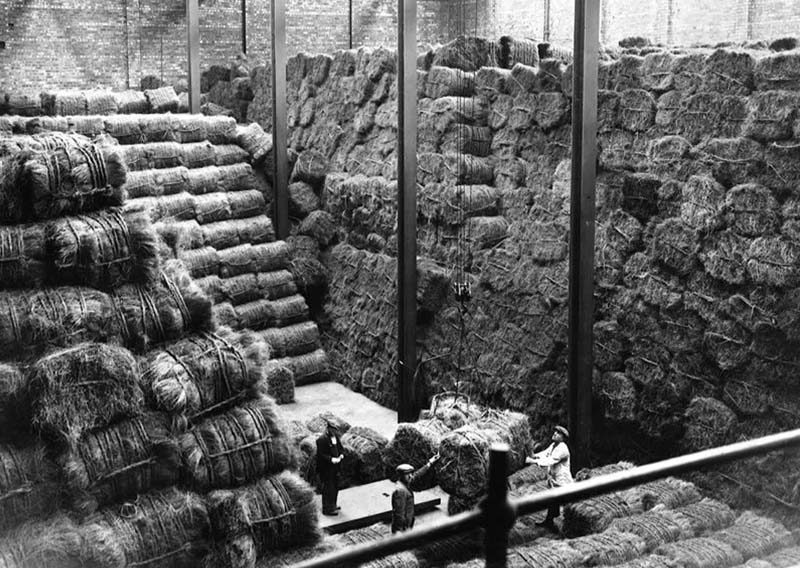
Esparto grass stores at Llanchala paper mill c1900
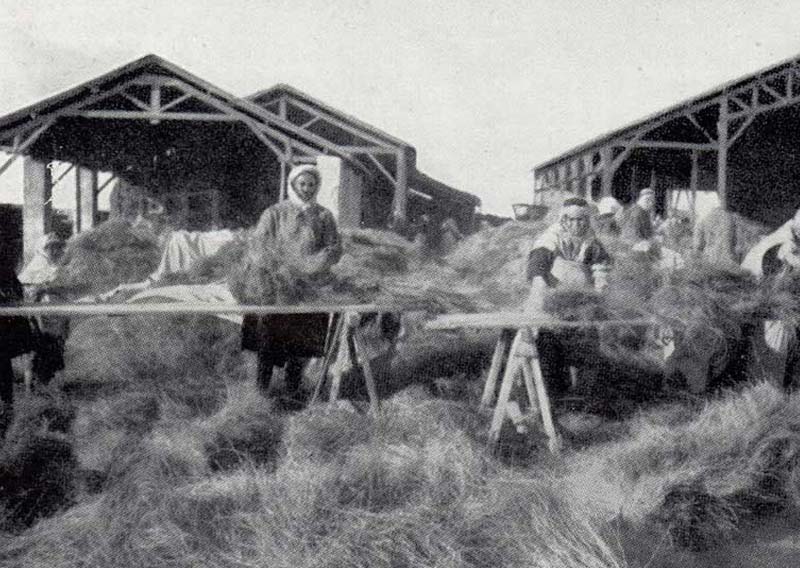
Land Reclamation Barrier - near Port Gwyn
The Railways to Port Gwyn
The first railway connection to Port Gwyn was a winding line through the Glynoch Highlands, completed in 1864. While a marvel of engineering, with steep gradients and twisting valleys, the route was slow and unreliable, particularly in winter when snow or rockfalls blocked the line. It was sufficient for bringing small shipments of fish inland, but it hampered the wider growth of Port Gwyn’s trade.
The breakthrough came with the opening of the northern line in 1901, laid across the newly reclaimed marshlands. The flat, firmed-up ground allowed for straight, efficient tracks that cut hours off the journey between Port Gwyn and the island’s main markets. For the first time, fish landed in the town’s harbour could be iced and sent to Llanchala or even further afield in a couple of hours, vastly expanding markets. The line also carried out Esparto Grass in bulk, feeding papermills and ropeworks across the islands, and brought in coal, timber, and supplies to support Port Gwyn’s growing population.
The railway was more than just an economic tool—it symbolised the town’s emergence from isolation. Where once Port Gwyn was reached only by slow trails across the highlands or treacherous marsh paths, now goods and passengers moved freely. Fishing remained at its heart, but agriculture and industry flourished, and the town became a vital northern link in Glynoch’s rail and trade network. Today, traces of the old highland route remain, but it is the northern line across the reclaimed land that defines Port Gwyn’s enduring prosperity.
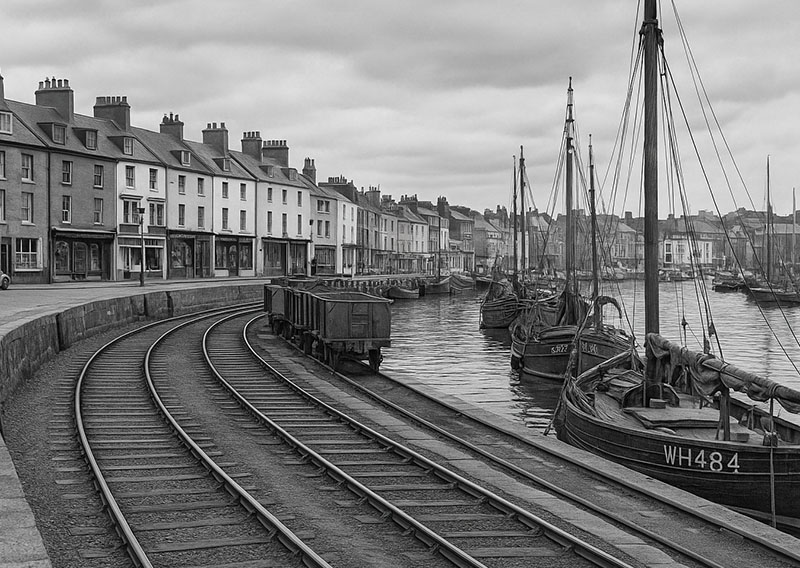
Port Gwyn c1910
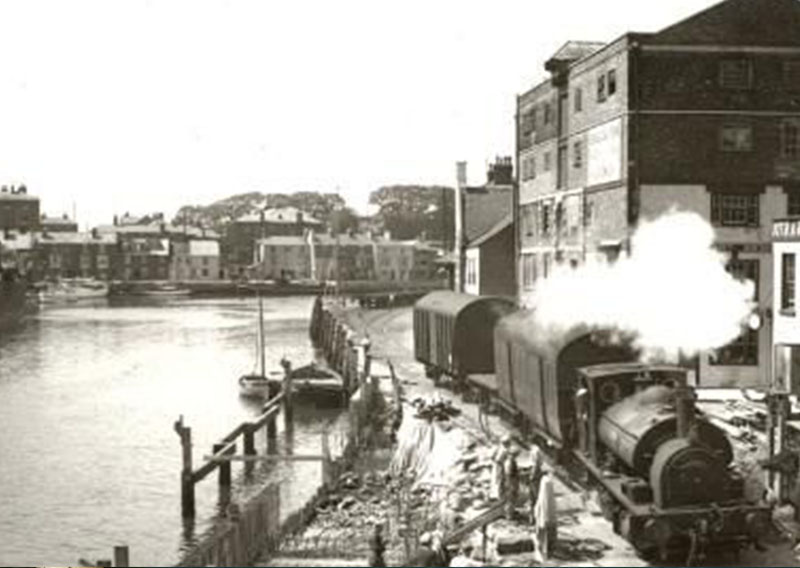
Port Gwyn quayside c1905
History
Towns
Port Gwyn
Port Gwyn Maps
Port Gwyn
Located on the north west coast of Glynoch
Explore More Towns...
...View All Towns