


1876: Glynoch Central Railway
Born out of boardroom conflict, it became one of the island's most innovative passenger railways, later earning fame as the Great Central Railway.
History

Railways

About the LRR
LRR Maps
Glynoch Central Railway/Great Central Railway (GCR)
At a glance:
Established: 1876
Island: Glynoch
Origins: Formed following the division of the Glynoch Mineral Railway Company (GMRC)
Principal Route: Llanchala – Glynoch Highlands – Port Gwyn, with the west-coast line continuing to Dunfael
Other Routes: Highland iron-ore, quarry and industrial branches
Principal Traffic: Passengers, iron ore, quarry products, general merchandise and agricultural goods
Locomotive Facilities: Original GMRC locomotive works, western Llanchala
Key Figure: Richard T. Cledwyn, influential director and leading opponent of expanded L&SWR passenger-running rights
Successor: Absorbed into the Glynoch & Rathmor Railway (G&R) in 1919
Notable Developments:
- 1887 — Great Central Railway name formally adopted
- 1901 — Competition intensifies following the opening of the North Glynoch Railway's northern route
- 1902 — Panoramic observation carriages introduced
- 1903 — The Highland Panorama scenic dining service inaugurated
- 1904 — Experimental sightseeing carriages with additional upper glazing
Origins: 1870-1876 A Railway Divided
The origins of the Glynoch Central Railway lay in the growing divisions within the Glynoch Mineral Railway Company (GMRC), one of the most important early railway undertakings on the island. Established primarily to serve the mineral industries, the GMRC had developed into a substantial railway carrying passengers, general merchandise and industrial traffic across a large part of Glynoch. By the early 1870s, however, the company controlled two increasingly different railway systems. Its southern routes were closely associated with the industries of Llanchala, the developing south-coast railway network and the passenger services operated by the Llanchala & South Western Railway (L&SWR). The central system, meanwhile, crossed the highlands from Llanchala to Port Gwyn on the western coast, with a further coastal route southwards to Dunfael. Numerous branches served the iron-ore mines, quarries and other industries of the highlands. Although mineral traffic remained important, passenger services had become a substantial part of the central railway's business. Trains connected the communities of the western coast with Llanchala, while intermediate stations provided vital transport links for settlements scattered across the highlands. For many of these communities, the railway had transformed journeys that had previously depended upon difficult roads and lengthy coastal passages. The opening of Llanchala Bridge in 1870 brought these differences into sharper focus. For the first time, the possibility existed for trains from Glynoch to continue onto Little Rathmor, opening opportunities for longer-distance passenger and goods services. The L&SWR was quick to recognise the commercial advantages and sought arrangements for through-running across the new connection. Within the GMRC board, however, opinion was sharply divided.
Little Rathmor Rly Timeline
Glynoch Mineral Railway Company
Central and Western Sectors
Glynoch Central Railway
Renamed Great Central Railway in 1887
Glynoch & Rathmor Rly

Llanchala Bridge
Richard T. Cledwyn and the Passenger Rights Dispute
Among the most outspoken opponents of the L&SWR's growing influence was Richard T. Cledwyn, a relatively young member of the GMRC board whose family had established its wealth through the iron-ore mines of the Glynoch Highlands. Cledwyn had been raised within the industrial world that had helped create the railway. He understood the importance of mineral traffic, but also recognised the growing commercial potential of passenger services. In his view, the company's predecessors had been far too generous when negotiating the original passenger-running rights granted to the L&SWR. Those agreements had been drawn up when Llanchala represented the effective end of the relevant railway route. The L&SWR had secured rights to operate passenger trains over the southern GMRC lines between Rowenport and Llanchala, arrangements that had appeared commercially reasonable at the time. The opening of Llanchala Bridge changed the situation dramatically. The L&SWR now had opportunities to develop services beyond Glynoch, potentially reaching Little Rathmor and connecting with other railway undertakings. Cledwyn argued that the original agreements had never been intended to grant unrestricted access to an expanding inter-island railway network. He could not simply cancel the existing rights, however much he might have wished to do so. Instead, he insisted that they should be interpreted strictly within their original geographical limits and renegotiated wherever the L&SWR sought to extend its operations. Cledwyn's position was uncompromising. The value of passenger access had increased enormously, he argued, and the GMRC should not allow another railway to benefit from that increase without appropriate payment. The L&SWR rejected the argument, maintaining that its existing agreements should be honoured. More significantly, many of Cledwyn's fellow GMRC directors disagreed with him. The more progressive members of the board believed that cooperation with neighbouring railways would encourage traffic and strengthen the wider network. Cledwyn and his supporters, meanwhile, regarded such concessions as a surrender of the company's commercial independence. The disagreement became increasingly bitter. Cledwyn was particularly determined that the GMRC should develop its own passenger business rather than allow the L&SWR to dominate the increasingly valuable market for journeys beyond Llanchala. Yet the disputes that followed prevented the company from securing satisfactory through-running arrangements for its own trains. The GMRC's central services continued to terminate at Llanchala, while the southern railway interests pursued closer cooperation with their neighbours.
The Separation of 1876
By the middle of the decade, the divisions within the GMRC had become irreconcilable. The company's southern and central railway interests had developed different commercial priorities, and the arguments over passenger rights had exposed fundamental disagreements about the future of the undertaking. The more cooperative southern interests were brought together with the other undertakings serving the south coast, becoming part of Llanchala Railway Ltd. The central and highland system emerged as a separate company under the name Glynoch Central Railway (GCR). Cledwyn and several of his fellow opponents of the L&SWR arrangements became influential figures within the new company's leadership. The GCR inherited the established railway from Llanchala across the highlands to Port Gwyn, the west-coast route south to Dunfael, numerous industrial branches and the original GMRC locomotive facilities at Llanchala. It also inherited the commercial attitudes that had contributed to the division. Cledwyn had achieved his objective of securing an independent railway whose passenger services could be developed without interference from the southern interests. Yet the new company still lacked the through-running rights that might have allowed it to compete more effectively beyond Llanchala. The separation had resolved the internal disagreement by creating two companies, but it had not resolved the underlying problem. That would remain a defining feature of the Glynoch Central Railway throughout its independent existence.
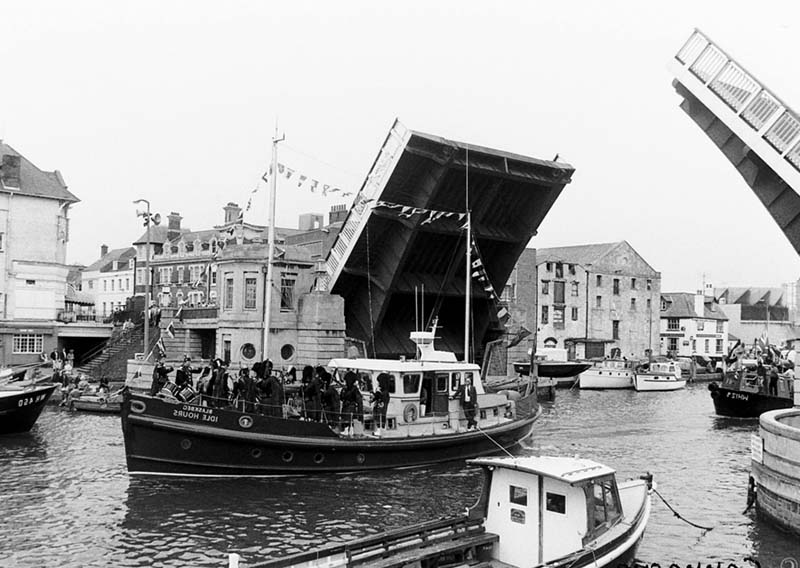
Llanchala Bridge opening day 1870

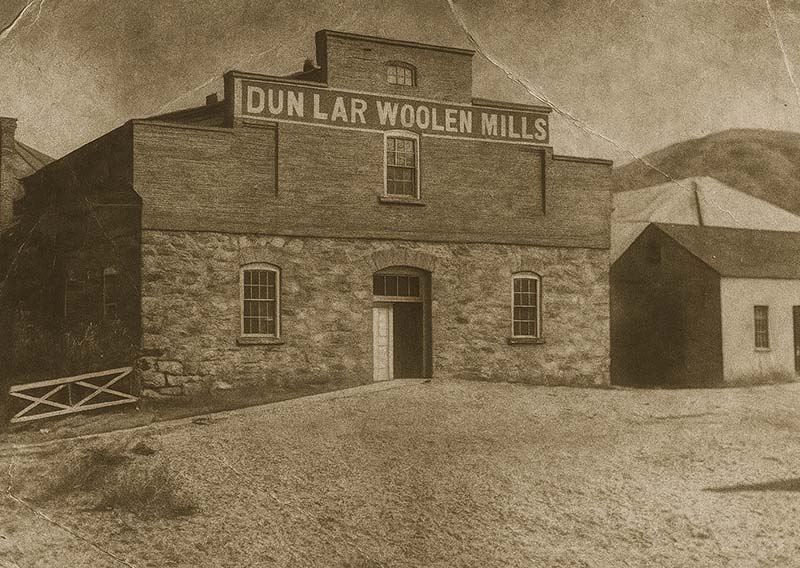
Dun Lar 1875
Independence Comes at a Price
The newly formed Glynoch Central Railway began operations with considerable advantages. Unlike many railway companies established during the nineteenth century, it did not face the enormous expense and uncertainty of constructing an entirely new network. Its principal routes were already complete. From Llanchala, trains climbed into the central highlands before descending towards Port Gwyn, with the west-coast line continuing south to Dunfael. The railway served established towns, isolated highland communities, productive mines and quarries, and a growing passenger market. The company's freight business remained closely associated with the mineral industries, particularly the movement of iron ore from the highland workings. Stone and other quarry products also contributed important traffic, while general merchandise and agricultural produce moved between the inland settlements and the coastal towns. Passenger services were equally significant. For communities along the central route, the railway provided an essential connection with Llanchala and the western ports. The GCR was therefore much more than a mineral railway, despite its origins. There was, however, a serious limitation to its ambitions. The company had never secured through-running rights onto Little Rathmor. The directors remained unwilling to pay the licence fees demanded for access, regarding the charges as excessive and the principle of paying them as unacceptable. This position was maintained even as individual directors retired or were replaced. What had begun as a dispute within the GMRC gradually became an established policy of the GCR itself. Passengers wishing to travel beyond the company's own system were consequently obliged to make connections with other railway services rather than remain aboard a through train. The opening of Llyngor Bridge between Little Rathmor and Rathmor in 1885 only increased the potential value of such connections. For Cledwyn, the bridge appeared to vindicate his long-standing argument that the original passenger agreements had been negotiated too cheaply. Routes which had once offered access only to Llanchala and Little Rathmor now formed part of a developing railway network reaching Rathmor itself. Yet the Great Central's own directors remained unwilling to accept the financial terms demanded for access. The company's independence was becoming both a source of pride and a commercial restriction.
The Old Locomotive Works at Llanchala
The situation was made more difficult by the company's locomotive facilities. The GCR continued to use the original GMRC locomotive works on the western side of Llanchala. Developed during the early years of the mineral railway, these facilities had been adequate for a comparatively small fleet of early locomotives. By the later nineteenth century, however, the site was becoming increasingly unsuitable. The works occupied a confined position with little opportunity for substantial expansion. As the number of locomotives increased and newer engines became physically larger, the limitations of the site became more apparent. Additional servicing requirements, repairs and the everyday movement of locomotives placed growing pressure upon the available space. Meanwhile, the L&SWR and subsequently Llanchala Railway Ltd benefited from access to the more extensive locomotive facilities developed by the Little Rathmor Railway at Bryn Lar. These offered greater opportunities for servicing and accommodating the expanding locomotive fleets required by the developing railway network. The GCR, excluded from these arrangements and unwilling to make the concessions necessary to improve its position, remained dependent upon its increasingly cramped Llanchala establishment. Nevertheless, the railway continued to operate a substantial and useful network. Its established passenger traffic, mineral contracts and connections with the western coastal towns provided a sound commercial foundation. Although the company constructed few new routes of its own, occasional short branches and sidings were added to serve developing mines, quarries and other industrial concerns in the highlands. For the GCR, the principal challenge was not building a railway, but making the best use of the one it had inherited.

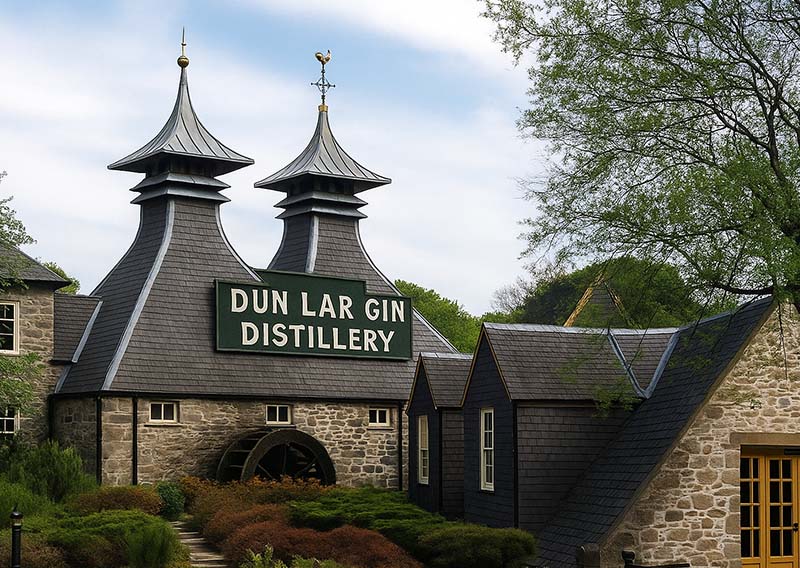
Dun Lar Station and Pier 1876
The Great Central: A New Identity in the 1880s
During the 1880s, the directors of the Glynoch Central Railway became increasingly concerned with the public image of their undertaking. The name Glynoch Central Railway accurately described the company's geographical position, but did little to convey the scale and importance of its operations. Its directors were keen to emphasise that the railway was not simply the surviving central portion of the former Mineral Railway Company, but a substantial passenger and freight undertaking in its own right. An advertising campaign introduced the more ambitious title “Great Central Railway", presenting the company as an important connection between Llanchala, the central highlands and the towns of the western coast. The new name proved popular. It appeared in promotional material and became increasingly familiar to passengers and commercial customers. Before long, the railway was commonly referred to as the Great Central, even though its original corporate title remained unchanged. The campaign reflected a genuine desire to broaden the railway's appeal. Passenger travel was increasingly promoted alongside the company's established industrial business. The highland route offered journeys through some of Glynoch's most dramatic scenery, while connections to Port Gwyn and Dunfael provided access to the western coast and its communities. For merchants and industrial customers, the company emphasised the reliability of its established routes and its ability to carry substantial quantities of mineral and general goods traffic. The directors were sufficiently encouraged by the success of the new identity that, in 1887, the name Great Central Railway was formally adopted. The change marked an important moment in the company's history. The railway had begun as the central division of a mineral undertaking. It now presented itself as one of Glynoch's principal independent railways, serving both passengers and industry across the island's central and western districts. Yet the confidence expressed in the new name was not entirely matched by the company's operational position. The cramped locomotive works at Llanchala remained a persistent difficulty, while the refusal to pay for through-running rights continued to restrict the company's ability to offer longer-distance passenger services. For the time being, these limitations were inconvenient rather than disastrous. The Great Central retained an established customer base and a strong position on its own routes. That position would be challenged at the beginning of the new century.
1887-1914: Rivalry and Cooperation
For much of the late nineteenth century, the Great Central Railway enjoyed the advantages of an established route between Llanchala, the central highlands and the western coast. Its passenger services connected communities that depended heavily upon the railway, while iron-ore traffic and other industrial consignments provided valuable freight revenue. Although neighbouring railway companies continued to develop their own networks, the GCR's position remained relatively secure.

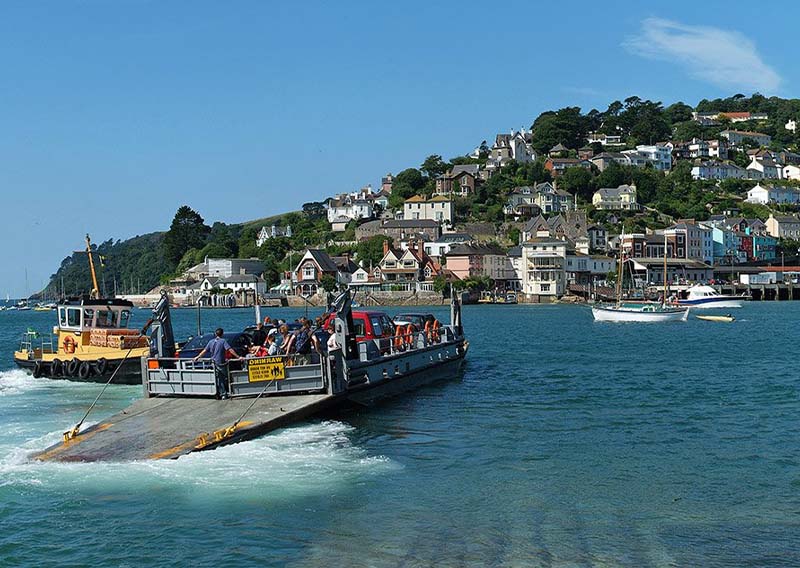
Dun Lar to Dun Ear Train Ferry

Bryn Lar Works c1910
1901: The Rival That Went Further
The completion of the North Glynoch Railway's northern route to Port Gwyn on 18 October 1901 introduced a formidable new competitor. The northern route provided an alternative connection between the western coast and the wider railway network. More importantly, the North Glynoch Railway had secured the necessary arrangements for through-running, enabling it to offer services beyond Glynoch itself. Following the opening of Llyngor Bridge in 1885, railway connections between Little Rathmor and Rathmor had become increasingly important. The North Glynoch Railway was able to take advantage of these opportunities, promoting journeys from Port Gwyn through to destinations on Rathmor without passengers having to change carriages. For the Great Central, the implications were serious. The GCR possessed an established railway, experienced staff, valuable traffic and a long history of serving the western coast. Yet passengers seeking longer-distance journeys increasingly found that the newer northern route offered greater convenience. A traveller leaving Port Gwyn for Rathmor could use the North Glynoch route and remain aboard a through service. A similar journey by way of the Great Central required connections with other trains. The difference was not principally one of distance or engineering capability, but of commercial arrangements. The GCR's directors had continued to refuse the licence fees demanded for through-running rights. A policy that had once been defended as a matter of financial prudence and company independence was now becoming an increasingly costly restriction. The North Glynoch Railway was quick to exploit its advantage. Its ability to advertise through journeys to Rathmor gave it a powerful attraction for passengers, particularly those undertaking longer journeys. The growing importance of such services placed the Great Central under increasing competitive pressure. The rivalry extended beyond passenger traffic. Both companies had interests in the movement of goods to and from the western coast, and the existence of alternative routes encouraged competition for commercial consignments.
November 1901: The Trouble at Llanchala Works
The opening of the North Glynoch Railway's new route could scarcely have come at a worse time for the Great Central. At Llanchala, the company's original locomotive works were already struggling to accommodate the growing demands of its fleet. The confined boiler shop, inherited from the GMRC, had room for only one locomotive undergoing major boiler repairs at a time. In November, two of the company's larger locomotives were found to require substantial boiler attention within days of one another. With the first engine already dismantled, the second was forced to wait until sufficient space became available. The delay was compounded by the difficulty of accommodating the remaining maintenance work within the restricted workshops. The resulting shortage placed considerable strain upon the remaining locomotive fleet. For almost a month, engines were pressed into duties normally shared among a greater number of machines, while several passenger trains were cancelled and others operated with reduced accommodation. The difficulties were particularly embarrassing because the North Glynoch Railway had only recently inaugurated its new northern route. While the Great Central struggled to maintain its established timetable, its rival was advertising modern through services from Port Gwyn to destinations beyond Glynoch. The incident brought renewed criticism of the company's refusal to invest in more suitable locomotive facilities and provided its competitors with an opportunity they were not slow to exploit. For the Great Central, it was an uncomfortable demonstration that independence carried responsibilities as well as privileges.
1902: Selling the Journey, Not the Destination
The arrival of the North Glynoch Railway at Port Gwyn in October 1901 presented the Great Central with its greatest commercial challenge. The new northern route offered passengers convenient through services to destinations on Rathmor, an advantage the Great Central could not match without securing the running rights its directors had resisted for so many years. The locomotive shortages at Llanchala in November 1901 added to the company's difficulties, leaving its reputation for reliable passenger services temporarily damaged. By early 1902, however, a new approach was beginning to emerge within the Great Central's management. If the company could not compete with its rival upon the convenience of long-distance travel, it could compete upon the quality of the journey itself. The Great Central's route crossed some of the most spectacular scenery in the Caerwyn Isles, climbing through the central Glynoch Highlands before descending towards the western coast. Rather than treating these landscapes as merely the countryside through which its trains passed, the company began promoting them as attractions in their own right. During the summer of 1902, specially adapted observation carriages entered service, offering enlarged windows, improved seating and better opportunities to enjoy the passing scenery. The experiment proved sufficiently successful to encourage further investment.
1903: The Highland Panorama
In 1903, the company introduced The Highland Panorama, a prestigious scenic passenger service offering dedicated dining accommodation, allowing passengers to enjoy meals while travelling through the mountains. It was an innovation that established the Great Central as a pioneer of railway dining services in the Caerwyn Isles. The new train offered a markedly different experience from the ordinary passenger services of the period. Comfortable seating, carefully arranged observation accommodation and the opportunity to enjoy refreshments or a meal while travelling through the highlands became important attractions in their own right. The company promoted the scenery of the central route as enthusiastically as its destinations. Passengers were encouraged to regard the journey across the highlands not merely as a means of reaching Port Gwyn or Dunfael, but as an experience worth undertaking for its own sake. Further experiments followed during 1904–1905, including carriages with additional upper glazing or raised clerestory windows designed to improve views of the surrounding hills and mountain scenery. These innovations were particularly suited to the Great Central's winding highland route, where the landscape offered constantly changing views of valleys, mountains, rivers and distant coastal scenery. The new services became a central feature of the company's advertising. The North Glynoch Railway continued to emphasise the convenience of its through services and the ability to travel from Port Gwyn to Rathmor without changing carriages. The Great Central, by contrast, promoted the quality of the journey itself. Its advertisements celebrated the magnificent scenery of the Glynoch Highlands, the comfort of its observation carriages and the novelty of dining while travelling through the mountains. The contrast between the two companies became increasingly pronounced. The North Glynoch Railway offered the convenience of reaching more distant destinations. The Great Central offered a journey designed to be enjoyed. Although the northern railway retained its advantage in through-running services, the Great Central had discovered a market in which its older highland route offered something its competitor could not easily reproduce. The railway's determination to remain independent had often worked against its commercial interests. Yet the same spirit of independence now encouraged a remarkable period of innovation.
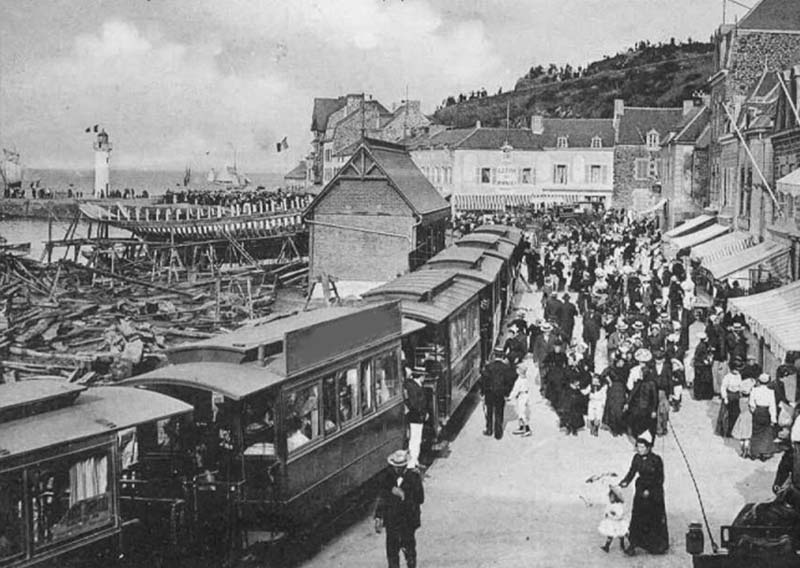
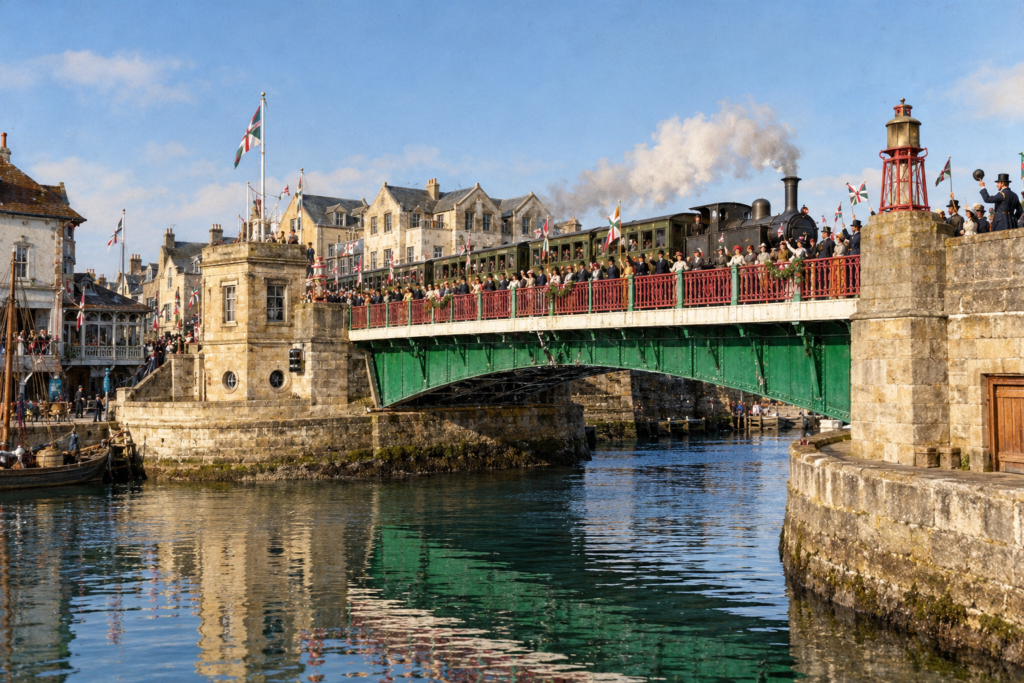
Llyngor Bridge opening day, 17th September 1885

1920s Advert
Competition and Cooperation Before the War
The success of the Great Central's scenic services did not remove the underlying difficulties facing the company. Its locomotive facilities at Llanchala remained confined, while the refusal to secure through-running rights continued to restrict its opportunities for longer-distance passenger traffic. Nevertheless, the company's highland services developed a distinctive reputation, and its observation and dining accommodation helped attract passengers who might otherwise have chosen the newer northern route. The railway continued to depend heavily upon its established mineral, quarry and general goods traffic, while its passenger services remained essential to the communities along the central and western routes. Commercial rivalry with the North Glynoch Railway continued throughout the years preceding the First World War. By 1914, the Great Central remained an important independent undertaking, but one whose future would increasingly depend upon its ability to cooperate with the wider railway network. The outbreak of war would bring a very different set of priorities.
## War and Consolidation — 1914–1919
The outbreak of the First World War placed new demands upon the railways of the Caerwyn Isles. Passenger services, industrial supplies, essential goods and military-related movements all required increasingly careful coordination. The independent railway companies, which had spent much of the preceding decades protecting their commercial interests, found themselves obliged to cooperate more closely. For the Great Central Railway, the change was particularly significant. The company retained its valuable highland and western routes, including the iron-ore and quarry traffic that remained important to the island's industrial economy. The efficient movement of these materials increasingly depended upon cooperation with other railway undertakings. Throughout the war years, the Great Central worked more closely with the **Glynoch & Rathmor Railway (G&R)**, the **North Glynoch Railway** and the **Llanchala & Eastern Coast Railway**. Although each company remained legally independent, the practical demands of wartime transport encouraged greater coordination of services and resources. Longstanding rivalries did not disappear overnight, but the advantages of cooperation became increasingly difficult to ignore. For the Great Central, decades of disagreement over access arrangements had already demonstrated the limitations of operating as a largely self-contained railway. Wartime experience offered further evidence that the island's transport needs could be better served by a more unified system. By the end of the conflict in 1918, the case for consolidation had become considerably stronger. In **1919**, the Great Central Railway, North Glynoch Railway and Llanchala & Eastern Coast Railway were absorbed into the **Glynoch & Rathmor Railway**. The amalgamation brought the principal northern and central Glynoch routes under a single administration, ending forty-three years of independent operation for the Glynoch Central and Great Central Railway undertaking. For the GCR, the merger marked the conclusion of a history shaped as much by commercial decisions and boardroom disputes as by engineering and railway construction. The railway had inherited an extensive network from the GMRC, developed a substantial passenger and freight business, and established a recognised identity under the Great Central name. Yet its refusal to secure wider running rights, together with the limitations of its original locomotive facilities, had restricted its ability to compete with the increasingly interconnected railway network around it. The company disappeared in 1919, but its routes did not. The central highland railway, its western coastal connections and its mineral branches continued to form an important part of the Glynoch & Rathmor system, serving the communities and industries for which they had originally been built. The Great Central's pioneering scenic passenger services also left an important legacy. The observation carriages, dining accommodation and experience gained in promoting the highland journey became valuable assets within the larger G&R system. The innovations introduced in response to the North Glynoch Railway's competition would influence the development of passenger services long after the independent Great Central had ceased to exist.
Legacy of the Great Central
The Great Central Railway occupies an unusual place in the history of the Caerwyn Isles. It was neither a short-lived speculative undertaking nor a company whose ambitions were defeated by the difficulties of railway construction. Its principal routes were already established when it was formed, and its passenger and freight business remained important throughout its existence. Its greatest difficulties were instead rooted in the commercial decisions of its directors. The disagreements that divided the GMRC in the early 1870s created a railway determined to preserve its independence. For many years that determination helped define the company's character, but it also discouraged the cooperation that might have secured its future as a more effective long-distance passenger operator. The opening of the North Glynoch route in 1901 exposed the consequences of those decisions. The newer railway could offer the through journeys that the Great Central had long declined to pursue on the terms available. Yet the company's response to that competition also demonstrated its considerable imagination. By introducing observation carriages, dining accommodation and dedicated scenic passenger services, the Great Central helped establish the Glynoch Highlands as a destination for railway tourism. The First World War eventually brought the cooperation that peacetime negotiations had failed to achieve, and the consolidation of 1919 placed the Great Central's routes within a larger and more integrated railway system. The name *Great Central Railway* survived for only thirty-two years as the company's official title, but the railway's history stretched back through the GMRC to the earliest development of the island's mineral railways. Its story remains one of the clearest examples in Glynoch railway history of how commercial rivalry, personal conviction and the decisions of a railway board could shape the fortunes of an entire undertaking. It also demonstrates that even a company constrained by its own stubbornness could leave a legacy of genuine innovation. The Great Central may never have offered the most convenient journey beyond Glynoch, but for many passengers, it offered the most memorable journey through it.
History
Railways
About the LRR
LRR Maps
Little Rathmor Railway

Dun Lar Station and Pier 1876


0 Comments