

1860: Abercain & Gwynhaven Railway
Rathmor's standard-gauge experiment. A railway built to serve the shipping trade that would eventually threaten the very business which helped create it.
History

Railways

About the A&GR
A&GR Maps
The Abercain & Gwynhaven Railway (A&GR)
At a glance:
Opened: 1860
Island: Rathmor
Independent operation: 1860–1879
Gauge throughout independence: Standard gauge — 4 ft 8½ in (1,435 mm)
Principal route: Abercain–Gwynhaven
Primary colour-scheme: Black locomotives and dark red carriages
Founding promoters: Edward P. Trevellan of Abercain and Thomas R. Curnow of Gwynhaven
Major shareholder: Caerwyn Isles Steam Packet Company
Principal traffic: Passengers, ferry connections, oysters, fish, agricultural produce, livestock, brewery products and general merchandise
Successor: Rathmor Railway, 1879
Subsequent development: Conversion to 1 ft 11½ in (597 mm) narrow gauge under Rathmor Railway ownership
Origins: A design for the future
During the middle of the nineteenth century, the eastern coast of Rathmor was becoming an increasingly important centre of trade, agriculture and passenger travel. The harbours of Abercain and Gwynhaven supported a growing collection of merchants, fishermen, farmers and coastal shipping businesses, yet the overland journey between the two towns remained slow and frequently difficult. In 1860, this situation changed with the opening of the Abercain & Gwynhaven Railway (A&GR). Unlike the industrial tramways developing elsewhere in the Caerwyn Isles, the new railway was conceived as a substantial passenger and goods undertaking. Its promoters were determined to build a modern railway capable of carrying passengers in comfort and transporting considerable quantities of freight. Their ambitions extended to the very foundations of the railway itself. While most of Rathmor's early railways employed narrow-gauge track, the A&GR adopted the British standard gauge of 4 feet 8½ inches. For almost twenty years, the railway operated as an independent and distinctive undertaking. Yet the very feature its promoters regarded as a symbol of progress would eventually become one of its greatest obstacles.
In 1879, the A&GR's independent existence came to an end when it was incorporated into the newly formed Rathmor Railway. Throughout its nineteen years as an independent company, it had operated exclusively to standard gauge. Only under its new ownership would the line be converted to the narrow gauge employed across the wider Rathmor railway network.
Two Towns, One Ambition
The origins of the Abercain & Gwynhaven Railway lay in the commercial ambitions of two businessmen whose interests were closely associated with the eastern coast of Rathmor. Edward P. Trevellan, a prosperous merchant and oyster exporter from Abercain, had long recognised the difficulties of transporting goods from the town's waterfront to markets elsewhere on the island. Abercain's position on the River Glas had encouraged the development of fishing, oyster cultivation and coastal trade. However, dependence upon roads and local shipping restricted the speed and reliability with which goods could reach customers. Trevellan believed that a railway connecting Abercain with Gwynhaven would provide a dependable means of transporting merchandise and passengers while encouraging further commercial development. His principal partner was Thomas R. Curnow, a Gwynhaven shipping agent and agricultural merchant whose business interests included the movement of farm produce, harbour goods and ferry passengers. Gwynhaven was already an important point of departure for coastal shipping and ferry services. Its surrounding agricultural districts produced potatoes and other root vegetables, while the town's brewery and maritime trades contributed further traffic. Curnow recognised that a railway could considerably enlarge the area served by Gwynhaven's harbour. Together, the two men promoted a line linking their respective towns, combining the interests of Abercain's merchants with those of Gwynhaven's shipping and agricultural businesses. Their proposal attracted considerable local attention, but constructing a substantial railway required capital and technical expertise beyond that available from the two towns alone.
A&GR Timeline
Abercain & Gwynhaven Railway
Rathmor Railway
Glynoch & Rathmor Rly
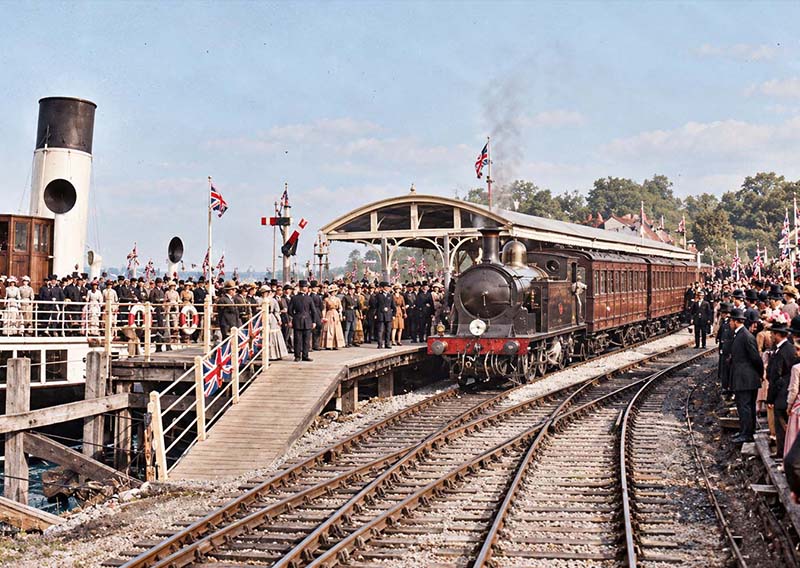
Gwynhaven Harbour Station
The Steam Packet Company's Investment
The Caerwyn Isles Steam Packet Company was already an established participant in the islands' maritime trade. Its vessels carried passengers and merchandise between coastal settlements, and the company maintained commercial interests extending beyond the islands themselves. The company's involvement with a railway undertaking on the British mainland had also provided its directors with valuable experience of railway finance, engineering and operation. The proposed Abercain & Gwynhaven Railway appeared to offer an excellent commercial opportunity. A railway delivering passengers and goods directly to Gwynhaven would increase demand for the company's vessels, while improving the movement of merchandise between the harbour and the surrounding districts. The Steam Packet Company therefore became a major shareholder in the new undertaking. Its investment provided both financial support and access to technical advice, allowing the promoters to consider a railway considerably more ambitious than the horse-worked industrial tramways already operating elsewhere on Rathmor. However, the company's influence would also shape one of the most important decisions in the railway's history.
A Railway Built to a Different Gauge
Most early railways in the Caerwyn Isles had developed from industrial tramways, using narrow-gauge track suited to the movement of minerals, timber and other heavy goods over difficult terrain. The promoters of the A&GR intended something different. Encouraged by the Steam Packet Company's mainland railway experience, they elected to construct their line to the British standard gauge of 4 feet 8½ inches. This was a deliberate departure from the practice adopted by neighbouring railway undertakings. The company's directors argued that a standard-gauge railway would permit the use of larger locomotives, more spacious passenger carriages and substantial goods vehicles. They believed that heavier construction and more generous vehicle dimensions would allow higher speeds, greater carrying capacity and improved passenger comfort. The decision also reflected a degree of confidence in the railway's future. Rather than adapting their plans to the industrial railways already established on Rathmor, the promoters believed they were creating a modern passenger and goods railway that might provide a model for future railway development across the islands. The choice was not without its critics. Standard-gauge construction required substantial earthworks, wider formations and more expensive infrastructure than many of the narrow-gauge tramways. Nevertheless, the financial support of the Steam Packet Company enabled the promoters to proceed with their ambitious scheme. For the time being, the A&GR's different gauge was regarded as a mark of distinction rather than a disadvantage.
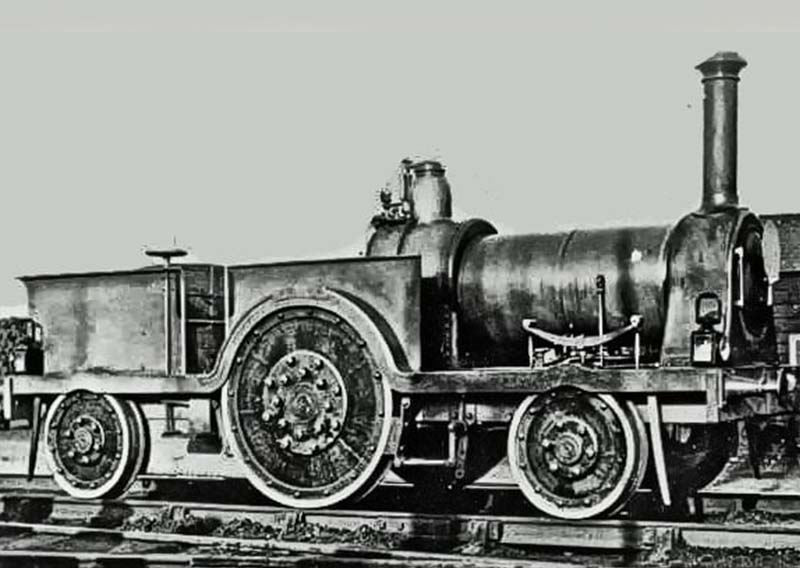
Rare picture of Gazelle - Original loco of the line c1865

Gazelle at Gwynhaven docks c1870
1860 — The Railway Opens
The Abercain & Gwynhaven Railway opened in 1860, establishing a regular passenger and goods connection between the two eastern coastal towns. Its arrival was greeted with considerable enthusiasm. For the first time, passengers could travel between Abercain and Gwynhaven by railway, avoiding the difficulties of the coastal roads and benefiting from the greater comfort offered by the company's substantial passenger carriages. The railway also transformed the movement of goods. Oysters and fish from Abercain could be conveyed towards Gwynhaven, while agricultural produce, brewery products and general merchandise travelled in both directions. At Gwynhaven, railway traffic could be transferred to the vessels of the Steam Packet Company and other coastal operators. The arrangement was particularly attractive to passengers arriving by sea, who could continue their journeys by train rather than relying upon horse-drawn road transport. The railway's locomotives and rolling stock were noticeably larger than those employed on Rathmor's narrow-gauge industrial lines. To its promoters, the opening represented the beginning of a new era in the island's transport history. For the Steam Packet Company, it promised an expanding source of passengers and freight for its maritime services.
A Successful Independent Railway
Throughout the 1860s, the A&GR established itself as an important part of eastern Rathmor's commercial life. The railway served a varied mixture of passenger and goods traffic. Abercain's oyster industry benefited from more dependable transport, while fish, agricultural produce and other perishable goods could be moved with greater regularity. Gwynhaven's merchants gained improved access to Abercain and its surrounding districts, and the town's brewery was able to distribute its products more efficiently. The railway also became closely associated with the ferry services operating from Gwynhaven. Passengers arriving by sea could board trains for Abercain, while those travelling in the opposite direction found the railway a convenient means of reaching the harbour. The standard-gauge passenger carriages were a particular source of pride. Their generous dimensions and comparatively comfortable accommodation helped distinguish the A&GR from the small industrial railways elsewhere on Rathmor. Although the company remained a relatively short coastal railway, its commercial position was strengthened by the complementary interests of its two termini. For much of its independent existence, the arrangement worked remarkably well. The railway carried traffic to the ports, and the ports provided traffic for the railway. Yet developments elsewhere on the island were gradually beginning to change the commercial landscape.

Abercain station c1870
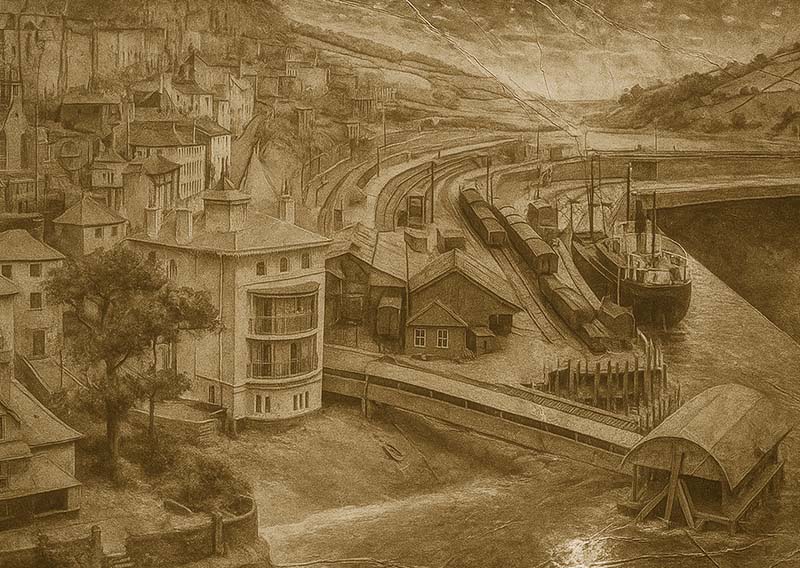
Abercain 1900
The Problem of Isolation
During the 1870s, Rathmor's railway network expanded considerably. Industrial tramways were being improved, new connections were constructed and formerly isolated lines were developing into more substantial regional railways. The opening of the Glen Feorag Viaduct in 1875 and the subsequent extension of the Talporth & Feorag Railway towards Gorofan demonstrated the growing ambition of the island's narrow-gauge railway interests. The A&GR, meanwhile, remained an independent standard-gauge railway. Its original promoters had anticipated that other railways might eventually adopt the same gauge. Instead, the established narrow-gauge system continued to expand. The advantages of the A&GR's substantial locomotives and carriages were increasingly outweighed by its inability to exchange rolling stock with neighbouring companies. Where narrow-gauge routes connected, wagons could potentially travel between undertakings without unloading their contents. The A&GR could offer no such convenience. Any future connection with the wider Rathmor system would require goods to be transferred between trains of different gauges, creating additional expense, delay and handling. The railway's once-celebrated independence was becoming a commercial disadvantage. As plans emerged for the consolidation of Rathmor's railways, the future of the Abercain & Gwynhaven Railway became an increasingly important question.
The Steam Packet Company's Opposition
For the Steam Packet Company, the prospect of joining a wider railway network presented a particularly difficult dilemma. The company had originally supported the A&GR because it expected the railway to strengthen Gwynhaven's position as a shipping centre. For almost twenty years, this had proved a successful arrangement. Goods and passengers travelled by railway to Gwynhaven, where the company's vessels provided onward connections. However, a unified railway network across Rathmor threatened to alter these established patterns of trade. If the A&GR were incorporated into the Rathmor Railway and converted to narrow gauge, merchandise that had previously passed through Gwynhaven could instead be carried by rail towards larger ports elsewhere in the islands. Passengers might similarly choose new overland routes rather than travelling by ferry. The very railway that had been built to support the shipping trade could become a competitor to it. The Steam Packet Company's directors therefore strongly opposed the proposed incorporation of the A&GR into the Rathmor Railway. They recognised that the merger would inevitably bring about conversion to narrow gauge, allowing trains to operate beyond the original Abercain–Gwynhaven route and opening new possibilities for through passenger and goods traffic. Their opposition was not primarily concerned with the technical merits of either gauge, but with the commercial consequences of surrendering the railway's independence. The directors feared that the creation of a connected railway network would gradually reduce the commercial importance of Gwynhaven's shipping services. The disagreement brought the conflicting interests of the A&GR's shareholders into sharp focus. For railway investors, integration promised new traffic, wider markets and improved efficiency. For the Steam Packet Company, it threatened the loss of a valuable source of business.

The great regauging, November 1879

Caerwyn Chronical - November 1879
1879 — The End of Independence
By the late 1870s, the movement towards railway consolidation across Rathmor had become increasingly difficult to resist. The formation of the Rathmor Railway in 1879, bringing together several of the island's principal railway interests, offered the prospect of a coordinated network serving a much larger area. The Abercain & Gwynhaven Railway was among the undertakings incorporated into the new company. Despite the opposition of the Steam Packet Company, the merger proceeded, bringing nineteen years of independent A&GR operation to an end. Following the incorporation of the A&GR into the Rathmor Railway, arrangements were made to convert the former standard-gauge line to the narrow gauge used throughout the new company's network. The decision marked a remarkable reversal of the principles upon which the original railway had been founded. For nineteen years, the independent A&GR had proudly maintained its standard-gauge identity. Now, under different ownership, its infrastructure would be adapted to serve the requirements of a much larger railway system. Yet the decision reflected the changing priorities of railway operation. A connected network, capable of handling through trains and exchanging rolling stock, offered advantages that a short, isolated standard-gauge railway could no longer match. The incorporation marked the end of a distinctive chapter in Rathmor's railway history. The A&GR's original locomotives and passenger vehicles would be unsuitable for operation over the converted line, while the substantial infrastructure built to accommodate them would remain an unusual reminder of the railway's ambitious beginnings. For the Steam Packet Company, the outcome was particularly disappointing. Its investment had helped establish one of Rathmor's most modern early railways, only for that railway to become part of a system whose expansion threatened the company's own shipping interests.
A Legacy Beyond the Gauge
The Abercain & Gwynhaven Railway survived as an independent undertaking for less than twenty years, but its influence extended well beyond that relatively brief existence. It had introduced substantial passenger railway operation to eastern Rathmor, strengthened commercial relations between Abercain and Gwynhaven, and demonstrated the potential of rail transport to support coastal trade. Its standard-gauge experiment also provided an important lesson in the development of the Caerwyn Isles railway network. The success of a railway depended not merely upon the size of its locomotives or the comfort of its carriages, but upon its ability to connect with the wider transport system. The events of 1879 brought the A&GR's independent history to a close. The following year, the opening of the railway connection between Porthelan and Abercain would demonstrate just how important the consolidation had become, creating new opportunities for through traffic across Rathmor. For the Steam Packet Company, those developments would also begin to fulfil the very fears that had prompted its opposition. The Abercain & Gwynhaven Railway had been built to bring trade to the ships. In the end, it helped lay the foundations for a railway network capable of carrying that trade away from them.
History
Railways
About the A&GR
A&GR Maps
Abercain & Gwynhaven Railway
Opened as an independent Standard Gauge line in 1860

Regauged and integrated into the Glynoch and Rathmor Railway in 1879

Related Articles....
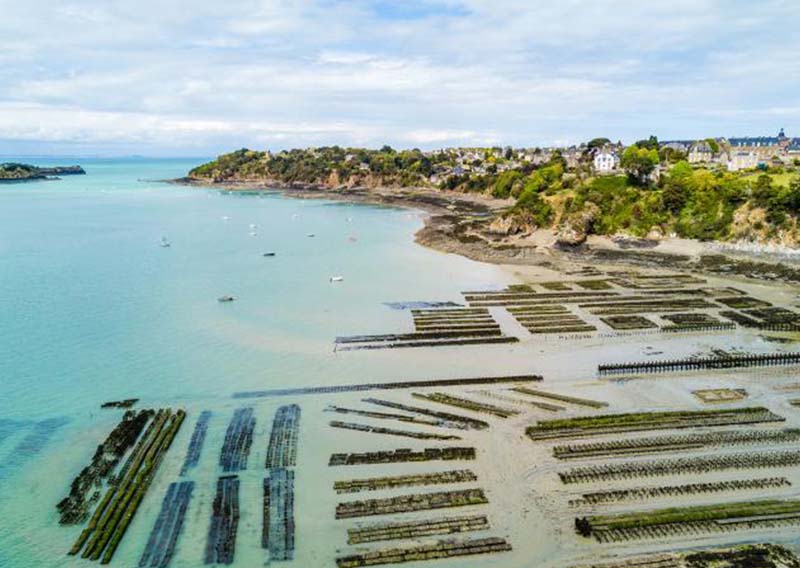
The Oysters of Abercain
Harvested carefully from the tidal flats, oysters have been exported […] ...
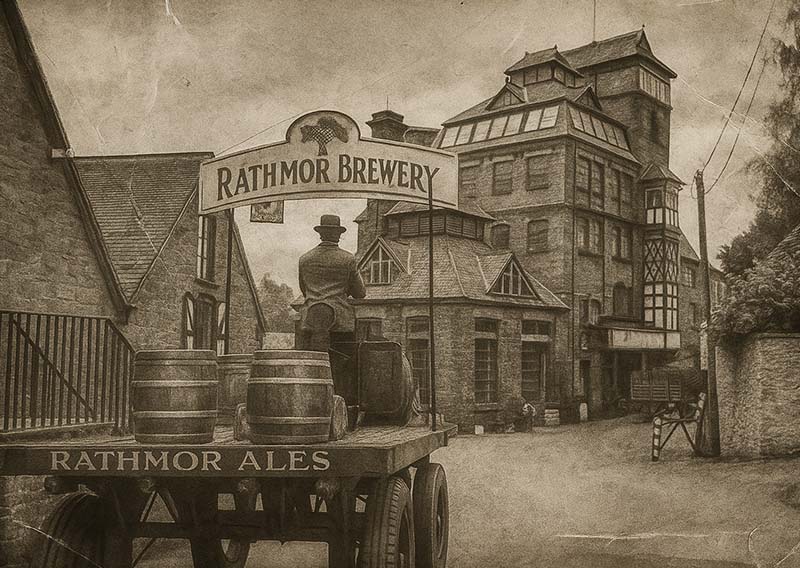

Railways of Rathmor
Rathmor’s railways are feats of daring engineering, snaking up cliff-sides, […] ...
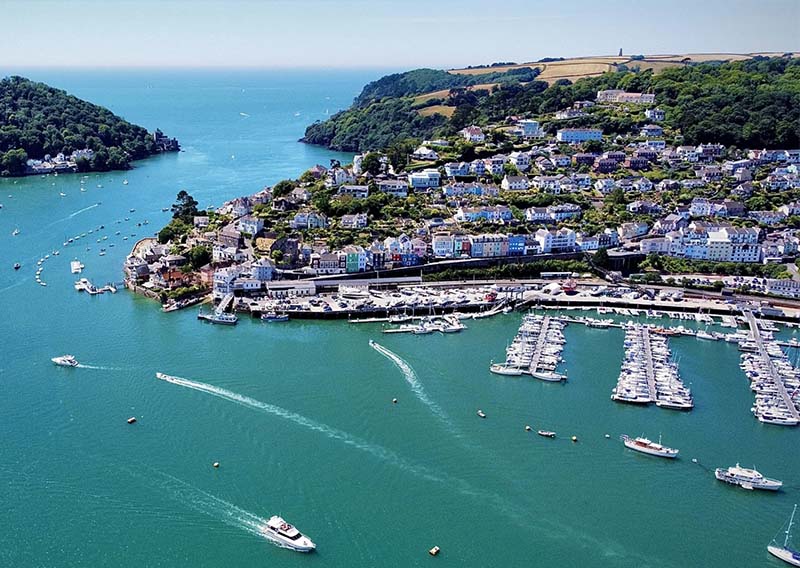

The Potato Industry of Gwynhaven
Situated in the fertile lowlands of eastern Rathmor, the town […] ...
Explore More Railways of Glynoch and Rathmor....


0 Comments