
Close

2. Erynporth History

Once a humble fishing village, it became the heart of seaside holidays after the building of its grand pier

About

Map

Erynporth

Erynporth (ERUN-por) – Erynporth’s very name means ‘Harbor of Silver’, a reference to the annual herring run known locally as the Silver Tide.
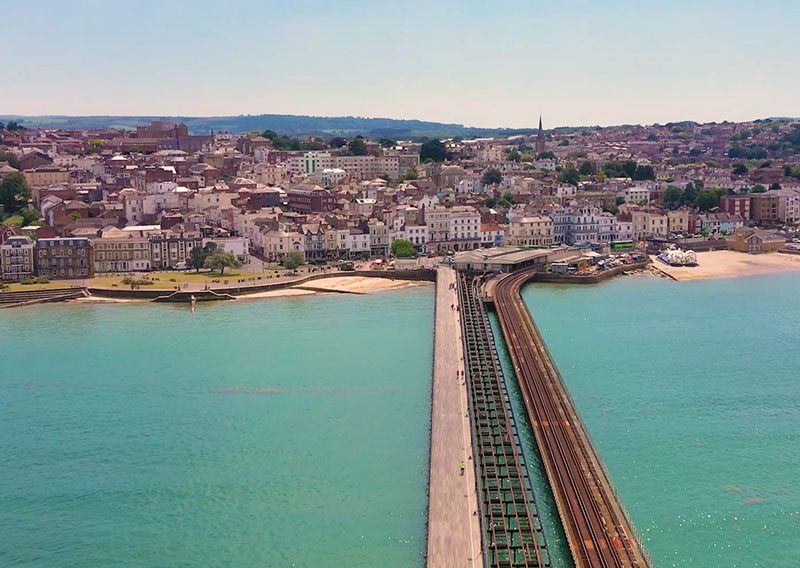
Erynporth 1980
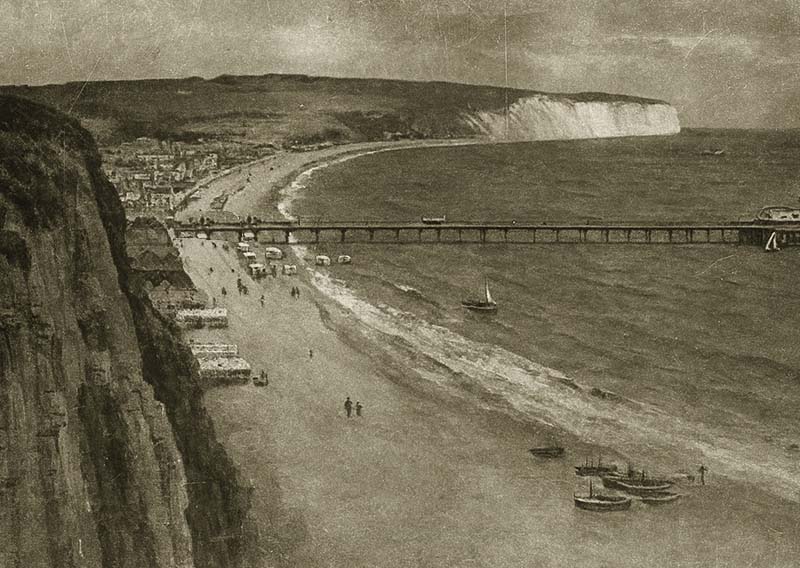
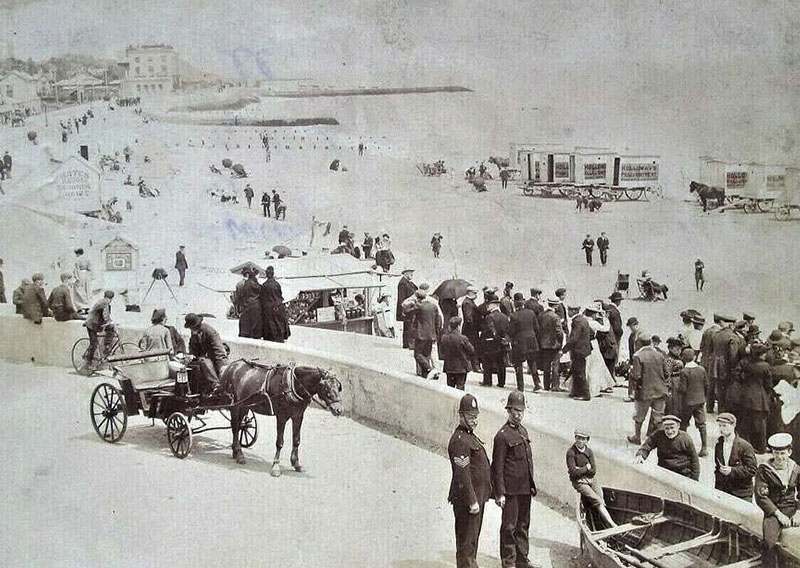
Erynporth Seafront c1900
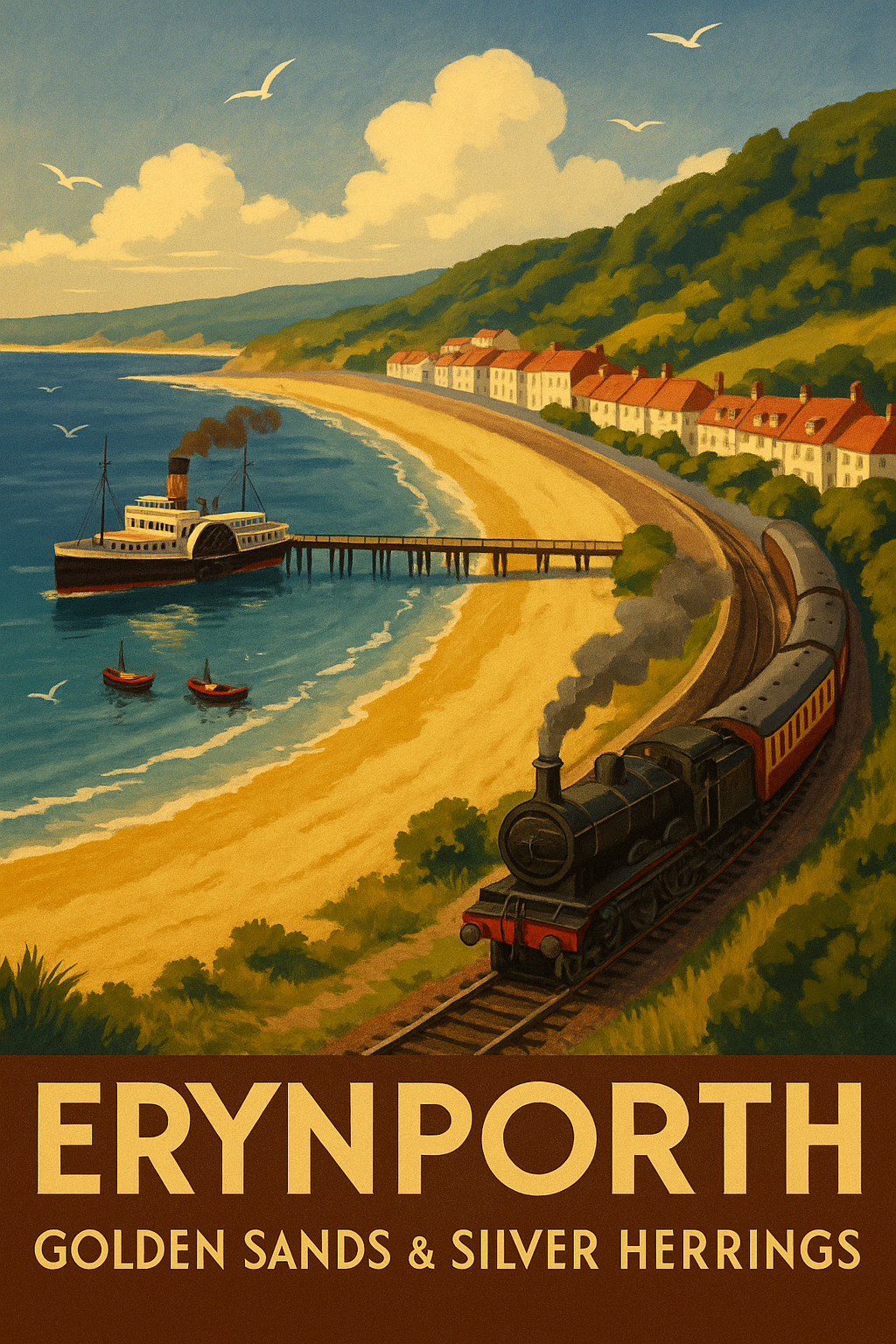
1920’s advert

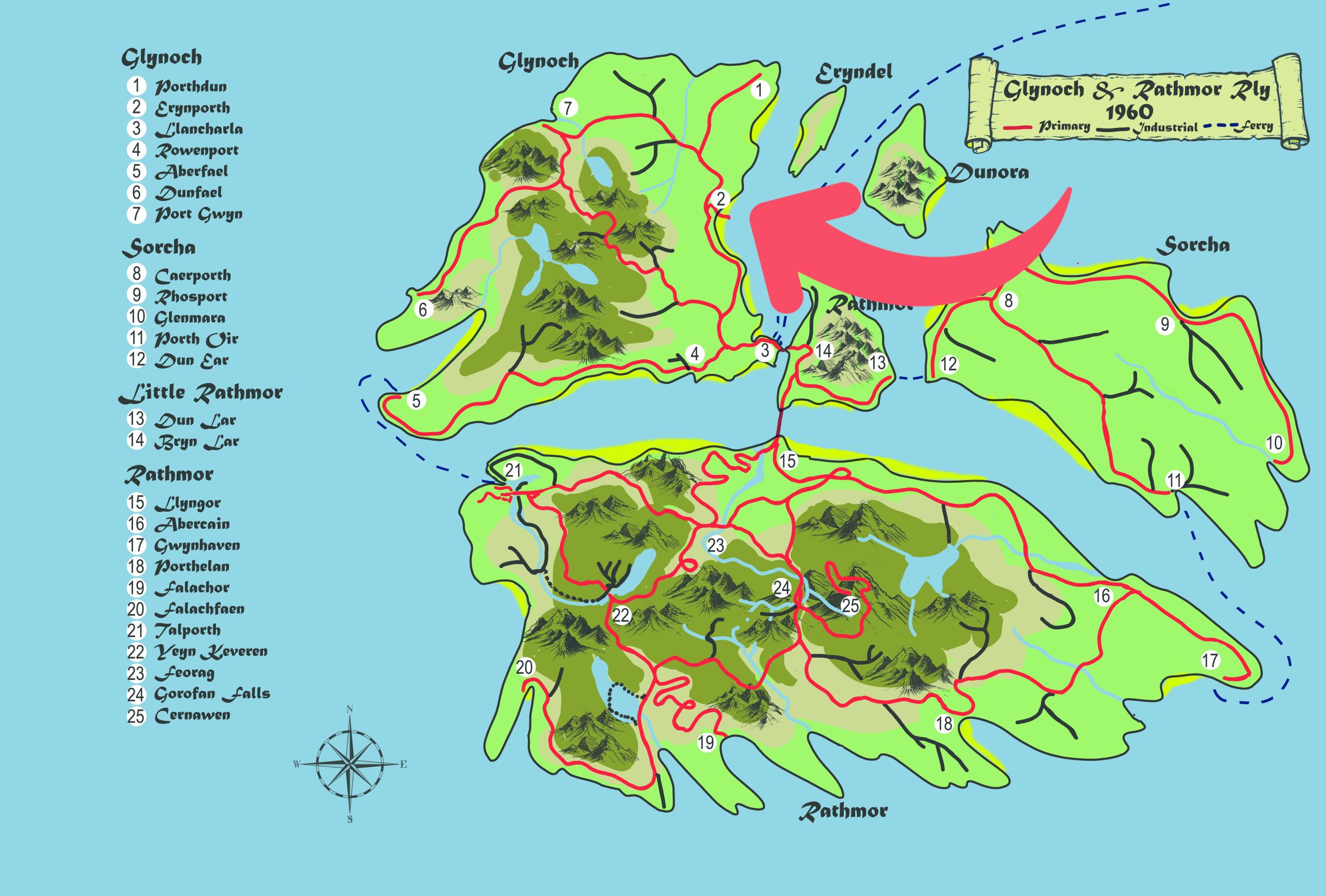
A bustling seaside town on the east coast of Glynoch, famed for its herring fishing, golden beaches, and elegant Victorian pier. Once a working port, it grew into a fashionable resort in the late 19th century with the arrival of paddle steamers and the railway. Erynporth remains a beloved holiday destination, combining maritime heritage with timeless coastal charm.

Erynporth, where the sea meets song and salt air, is the shining jewel of Glynoch’s eastern coast. Once a humble fishing village, it became the heart of seaside holidays after the building of its grand pier, where paddle steamers still echo the laughter of Victorian day-trippers. The scent of herring mingles with seaweed and sun cream, a reminder that Erynporth belongs to both fisherman and holidaymaker alike.

Erynporth stretches along a crescent of golden sand so long it seems to belong to another world. Once a quiet fishing hamlet, it was transformed almost overnight by the arrival of prosperity from the sea and the rail. Herring has always been the town’s lifeblood—silver shoals glinting beneath the surf, their arrival celebrated each autumn with the Festival of the Herring Moon, when nets are blessed and lanterns set afloat to light the fishermen’s way. The town’s smokehouses, smaller than those of Llanchala but no less skilled, still send their distinctive aroma drifting across the dunes.

The building of the pier in 1860 changed everything. Designed for the largest passenger steamers running from the mainland at the time, it soon became the heart of a thriving tourist trade. Paddle steamers from the mainland began arriving daily with holidaymakers eager for sea air, sandcastles, and sunshine. Rows of bright guesthouses sprang up along the promenade, their balconies filled with potted geraniums and the sound of laughter. The local railway workers’ brass band still performs each Sunday in the bandstand at the pier head, a tradition dating back to the 1880s.

Erynporth has retained its charm through the years. Wooden beach huts line the shore, and fishing boats bob beside sleek sailing yachts. Visitors can still watch the boats unload their glistening catch at dawn before enjoying tea and scones at one of the seafront cafés. For all its modern comforts, Erynporth remains a place defined by its twin callings—of work and leisure, of sea and song.
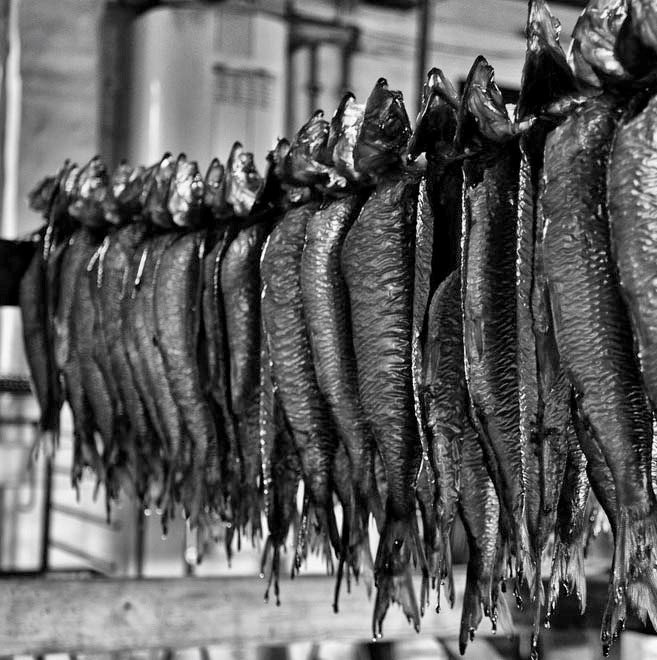

Herring Smoking – Erynporth

The Silver Tide of Erynporth

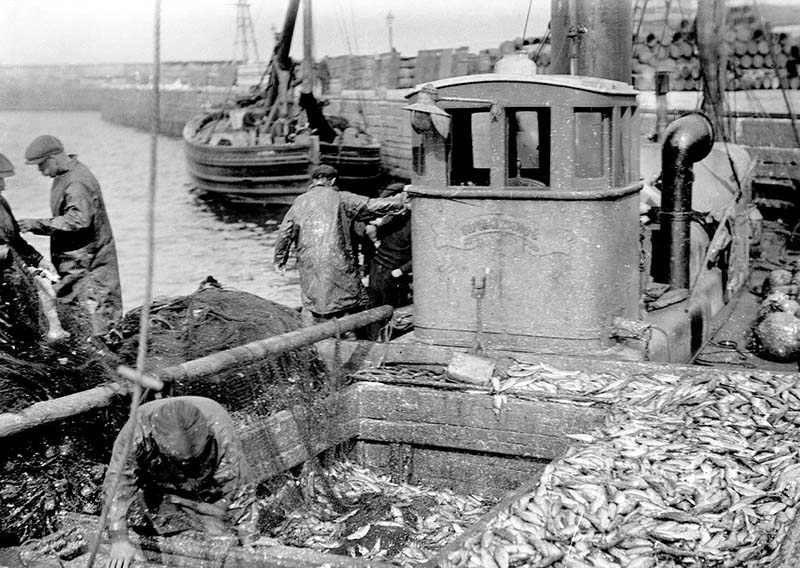
For generations, Erynporth has been synonymous with herring—the “silver tide” that once turned its calm waters into a frenzy of life and livelihood. Each spring and autumn, vast shoals of glinting fish would roll into Llanchala Bay, their scales flashing like quicksilver beneath the moonlight. To the islanders, the arrival of the herring was not merely a natural event—it was a season of renewal, fortune, and community. Entire families joined the effort: men set sail in open boats, women stood on the quays salting and packing the gleaming catch, and children ran errands or repaired nets under the lantern glow.
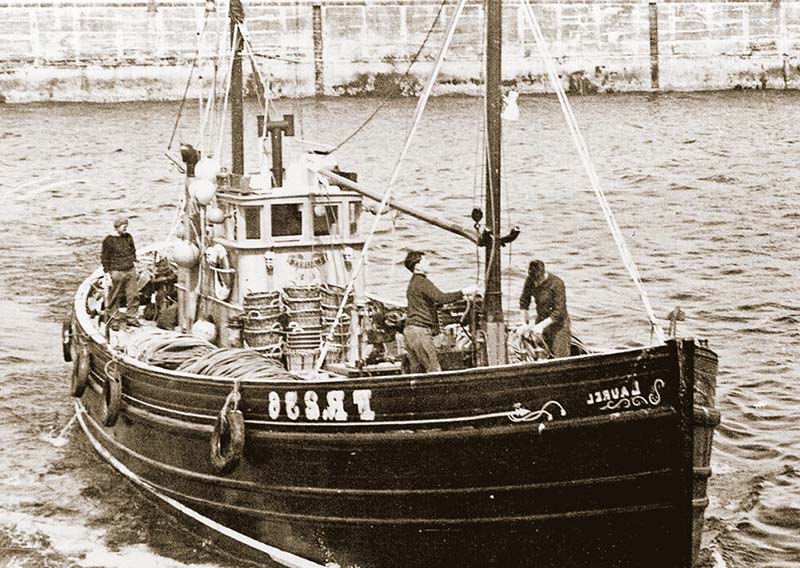
According to island folklore, the herring were a gift from the sea goddess Dôn, who sent them to sustain the people through long winters. To this day, fishermen still follow the old tradition of pouring a small measure of ale into the sea before casting the first net—a humble offering to ensure both safety and bounty. The air of Erynporth would once be thick with the scent of salt, woodsmoke, and fish oil as barrels were rolled down to the docks, destined for the smokehouses of Llanchala and beyond.

The construction of the pier in 1860 changed everything. Paddle steamers and trading vessels began arriving daily, carrying ice, barrels, and workers. When the railway from Llanchala to Porthdun was completed in 1870—followed by a branch line directly to the pier head in 1875—Erynporth became one of the most important fishing ports on the islands. Fish could now be transported fresh, rather than salted or smoked, to distant towns within hours. Prosperity followed, and with it came new industries: cooperages, rope-makers, and even shipbuilders catering to the herring fleet.

Though modern refrigeration and changing sea patterns have reduced the size of catches, Erynporth remains proud of its heritage. The Herring Festival, held each October, celebrates the town’s maritime past with music, dancing, and the scent of freshly grilled fish drifting across the promenade. In the taverns, old songs are still sung—tales of the “Silver Tide,” of brave fishermen, and of a sea that once gave so generously to those who honoured it.

Herring Drifter

Herring Fishing c1930
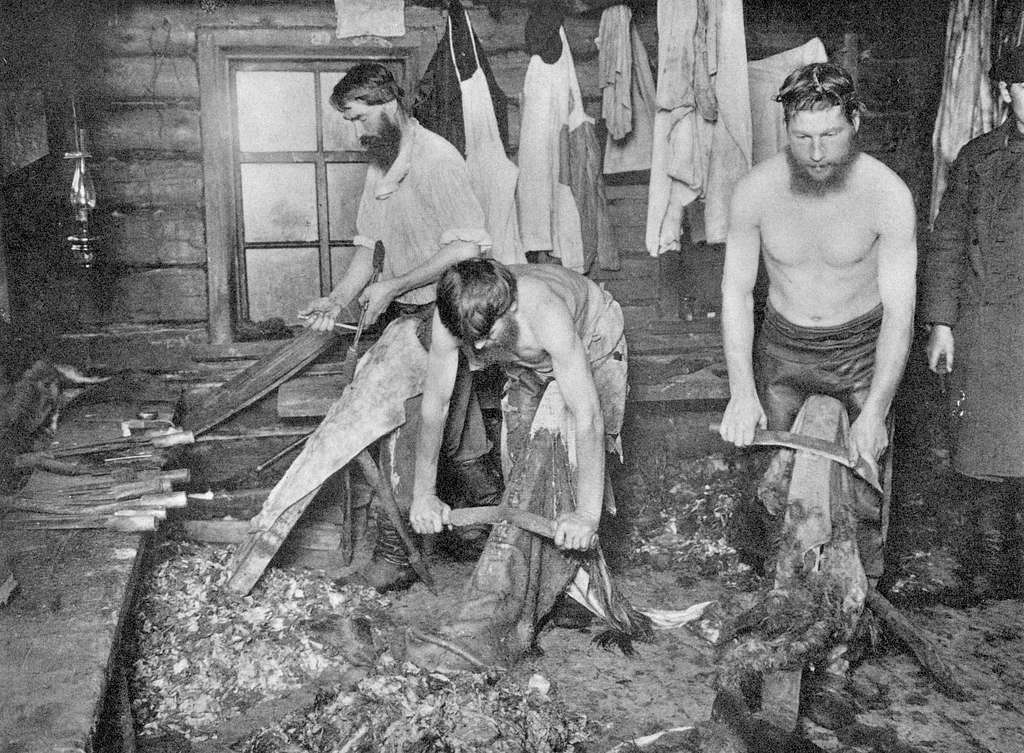

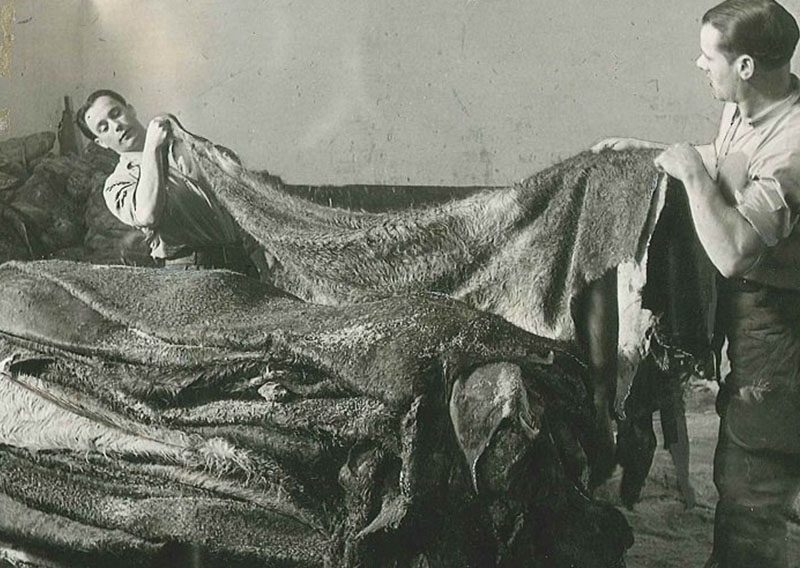
Leather Tanning c1950

Leatherworking in Erynporth

Situated just a short journey from Port Gwyn, the town of Erynporth has grown into the thriving heart of Glynoch’s leatherworking industry.  While Port Gwyn gained fame for its distinctive beef, Erynporth found its own prosperity in the valuable by-products of that success. As the cattle trade expanded, so too did the availability of hides, and by the early 20th century the town had become home to the island’s principal tanneries and leather workshops. Today, Erynporth is known not only for its craftsmanship but for its unmistakable blend of traditional methods and modern artistry.
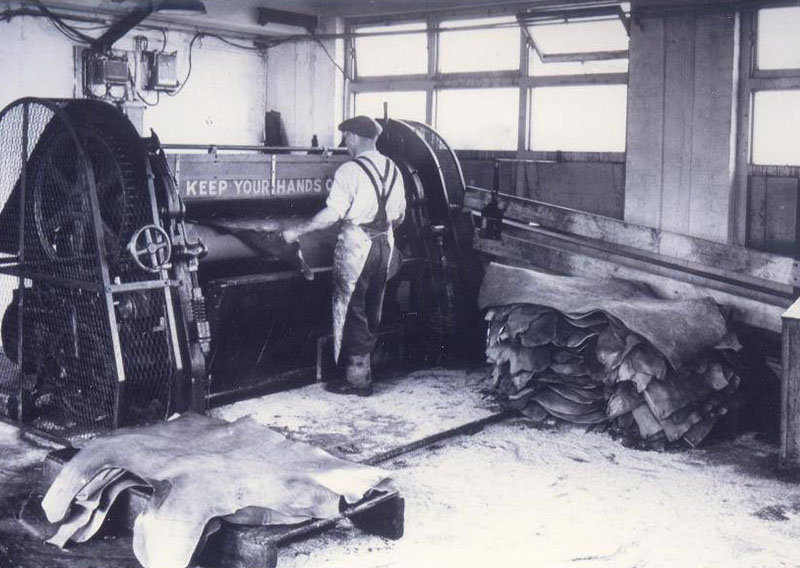
The tanning process remains rooted in long-established practices. Fresh hides are first soaked to remove salt and impurities, then carefully cleaned before being immersed in large tanning pits. Historically these pits were filled with natural tanning liquors made from oak bark, heather root, and other local tannins, lending Glynoch leather a reputation for durability and a warm, earthy hue. Although contemporary facilities use more efficient methods, many still incorporate natural tannins to preserve the island’s characteristic finish. After the tanning stage, the hides are stretched, dried, and softened through a combination of mechanical and hand-worked techniques, resulting in a supple, long-lasting material suitable for a wide range of goods.

Erynporth’s workshops produce an impressive variety of leather items, catering both to practical local needs and to the interests of visiting travellers. Everyday products such as belts, saddles, work boots, and tool satchels can be found in shops throughout the town, each made to withstand the rigours of island life. Alongside these, artisans create finely crafted handbags, journals, gloves, and decorative accessories that have become popular souvenirs. Many pieces feature motifs inspired by Glynoch’s maritime traditions—knotwork patterns, stylised waves, and the distinctive Glynoch stag—making them uniquely tied to the region’s cultural identity.

The industry’s reach extends far beyond local markets. With the same transport links that carry Port Gwyn beef across the continent, Erynporth leather goods are exported throughout northern Europe, appreciated for their rugged quality and traditional craftsmanship. Whether purchased by islanders, travellers, or continental buyers, these items serve as enduring symbols of Erynporth’s heritage and the ingenuity that transformed a by-product of the cattle trade into a celebrated craft.

Glynoch Leather Co. c1940

Glynoch Leather Co. c1920
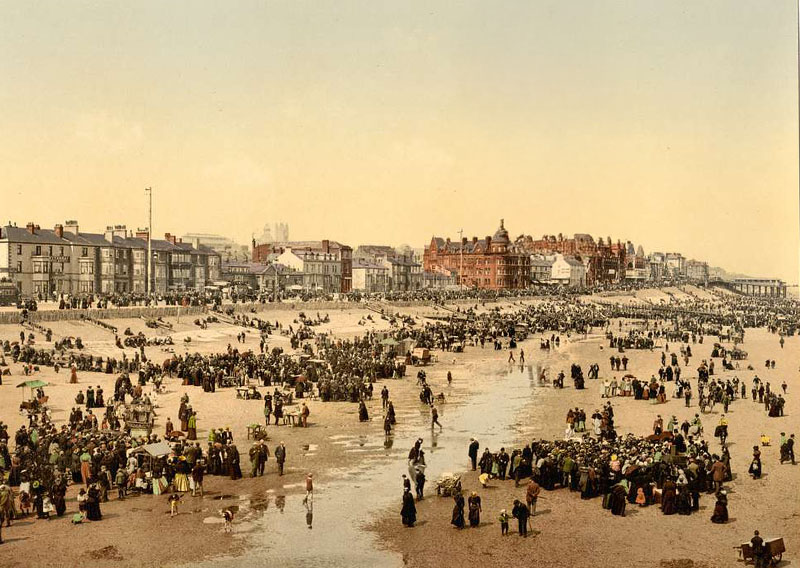

Tourism at Erynporth

Tourism is, without question, the lifeblood of modern-day Erynporth—a second great “tide” that sweeps through the town every summer. Where once fishing boats and herring barrels dominated the quayside, now come families, sunseekers, and artists drawn to the same golden light that shimmers over Erynporth’s miles of sandy beaches. The air hums with the laughter of children, the cry of gulls, and the nostalgic whistle of trains arriving with the morning tide.

The transformation began in 1860, when the construction of the grand Erynporth Pier opened the town to the world. Paddle steamers brought day-trippers from the mainland, their decks crowded with visitors eager to taste sea air and stroll along the promenade. The opening of the railway connection from Llanchala to Porthdun in 1870, followed by a dedicated branch line to the pier head in 1875, changed Erynporth forever. Trains met every arriving steamer, whisking passengers to hotels, boarding houses, and the great beachside promenade that quickly became the town’s pride.

By the turn of the century, Erynporth had earned its reputation as “The Golden Gateway of Glynoch.” Long rows of guesthouses stretched down the coast, painted in cheerful pastel hues. Tea rooms, theatres, and penny arcades soon followed. Bathing huts dotted the beach, and the air was filled with the scent of salt and sun-warmed seaweed. For the working families of the islands, Erynporth offered a taste of leisure and freedom—sand between the toes, music from the pier bandstand, and a ride on the merry-go-round before sunset.

Today, the tradition continues much as it did a century ago. Excursion boats still queue up in Llanchala Bay during summer months for access to the pierhead, bringing a new generation of holidaymakers to enjoy the timeless charm of Erynporth’s golden sands. The guesthouses, many of them family-run for generations, retain their Victorian grace with wrought-iron balconies and embroidered linens. Evenings bring the soft glow of lamps along the promenade, the chatter of diners spilling from seaside cafés, and the sound of jazz drifting from the pier pavilion.

Erynporth’s spirit is one of enduring joy and hospitality, where every sunrise over the sea seems to promise another perfect day by the shore—a living echo of the island’s golden age of travel.

Erynporth c1880

Erynporth Beach c1870


The Railways of Erynporth

The arrival of the railway sealed Erynporth’s fate as Glynoch’s premier seaside resort. The Llanchala & Eastern Coast Railway, completed in 1870, linked the growing town directly to the island’s industrial heart, carrying both fish and passengers along the scenic coastline to Llanchala and Porthdun. The route was an engineering triumph—cutting through dunes, skirting marshland, and crossing tidal inlets with graceful iron viaducts that shimmered in the salt air.

In 1875, a short branch line was added, leading right onto the pier head itself. For the first time, passengers could step directly from train to steamer, beginning their holidays—or ending them—without ever touching the cobbles of the town. Fresh herring was also loaded straight onto trains bound for Llanchala, where the famous smokehouses turned them into the island’s most popular export.

The impact on Erynporth was immediate. Elegant villas and terraces spread along the cliffs, and new hotels rose to meet the surge of visitors. The local economy thrived—net-makers, boat builders, and innkeepers all found new prosperity in the wake of the steam trains. The station, built in red brick with ornate iron canopies, became as much a landmark as the pier itself.

Even now, Erynporth’s railway heritage endures. Trains still run along the coastal line, the whistle echoing across the bay as gulls rise from the tidepools. For many islanders, it’s a sound that speaks of summers past—the promise of the sea, the scent of herring, and the golden light of Glynoch’s eastern shores.
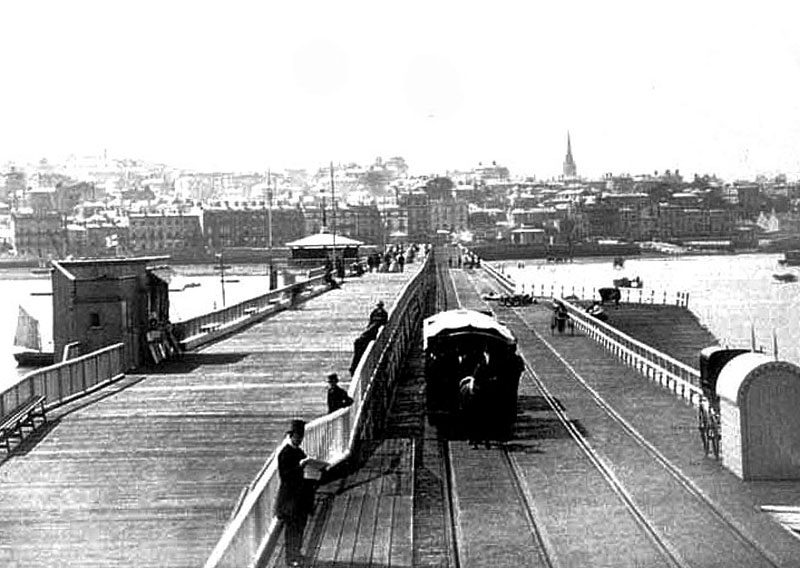
Erynporth Pier c1880
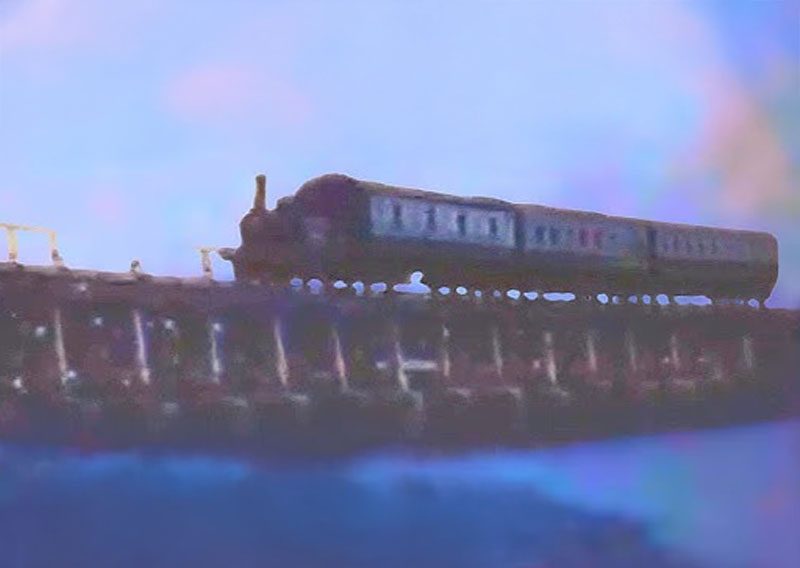
Erynporth Pier c1950


Erynporth – On This Day….

Test Post

This part of the G&R is under construction and will…

View All News Articles

About

Map

Erynporth

The golden sands on the east coast of Glynoch
Explore More Towns…

1. Porthdun History

The oldest settlement on Glynoch, founded in the early medieval…

3. Llanchala History

The largest town on the islands. The geographic and administrtive…

4. Rowenport History

A small coastal village on southern Glynoch, long famed for…

View All Towns