


16. Abercain History
An estuary town famed for its oyster beds, healing waters and home of the Rathmor Brewery
History
Towns
Abercain
Abercain Maps
Abercain
Abercain (AH-ber-kine) – From Welsh aber “river mouth” and cain “fair, beautiful, pure.” Meaning “Mouth of the Fair River” or “Beautiful River Estuary.” A fitting name for a town that sits at the mouth of the River Glas, famed for its clarity and vitality.
Abercain
Abercain oyster beds
1920s advert
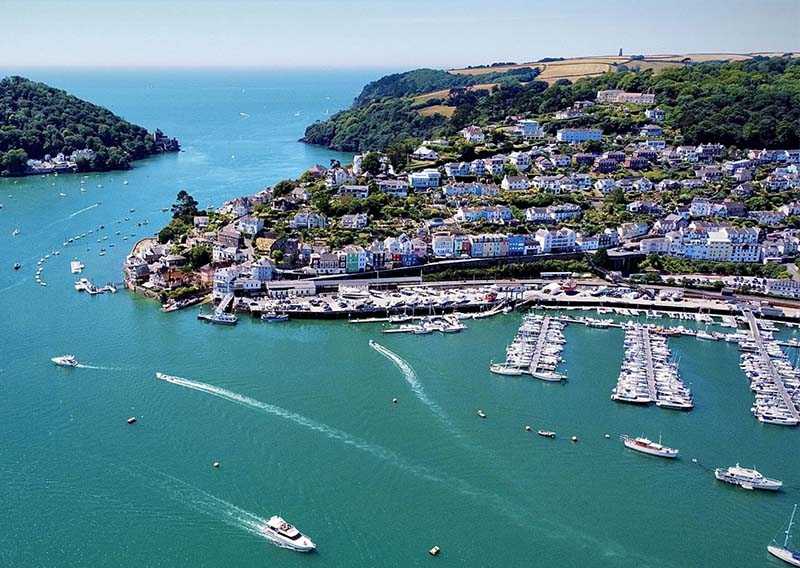
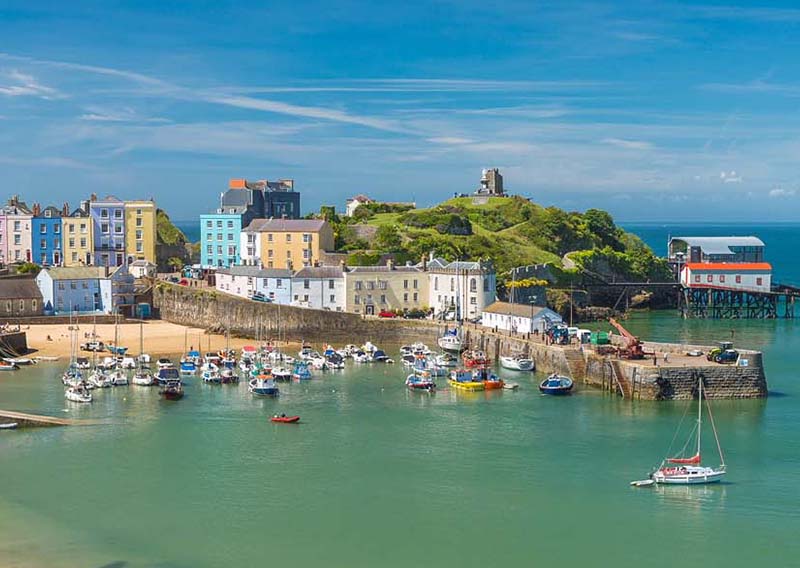
Abercain looks north across The Straights, where the clear blue waters of the River Glas meet the sea. Famous for its oysters, its festival, and its brewery, it is a town of health, hospitality, and heritage
The river, named for its strikingly clear blue waters, has long been famed for its supposed health-giving qualities. Visitors since the 18th century have praised its “waters of vitality,” and local lore insists that those who drink from the Glas will live longer and stronger. The estuary itself provides the perfect conditions for oyster beds, which remain one of Abercain’s finest exports.
Abercain is also known for its folk songs, many of which are bawdy oyster-shuckers’ ditties, still sung in its taverns.
Abercain is also home to the Rathmor Brewery, which relocated here from Gwynhaven in 1901. Its celebrated IPA is brewed with water drawn from the Glas, and locals claim that it is this mineral-rich purity that gives the beer its distinctive flavour. From its sprawling brick brewery on the riverbank, kegs of ale are shipped across the islands, carrying Abercain’s name far and wide.
With its blend of natural bounty, industry, and festivity, Abercain embodies the balance of tradition and progress. It is a town that looks both to the sea and inland, rooted in the gifts of the river and proud of its place in Rathmor’s story.
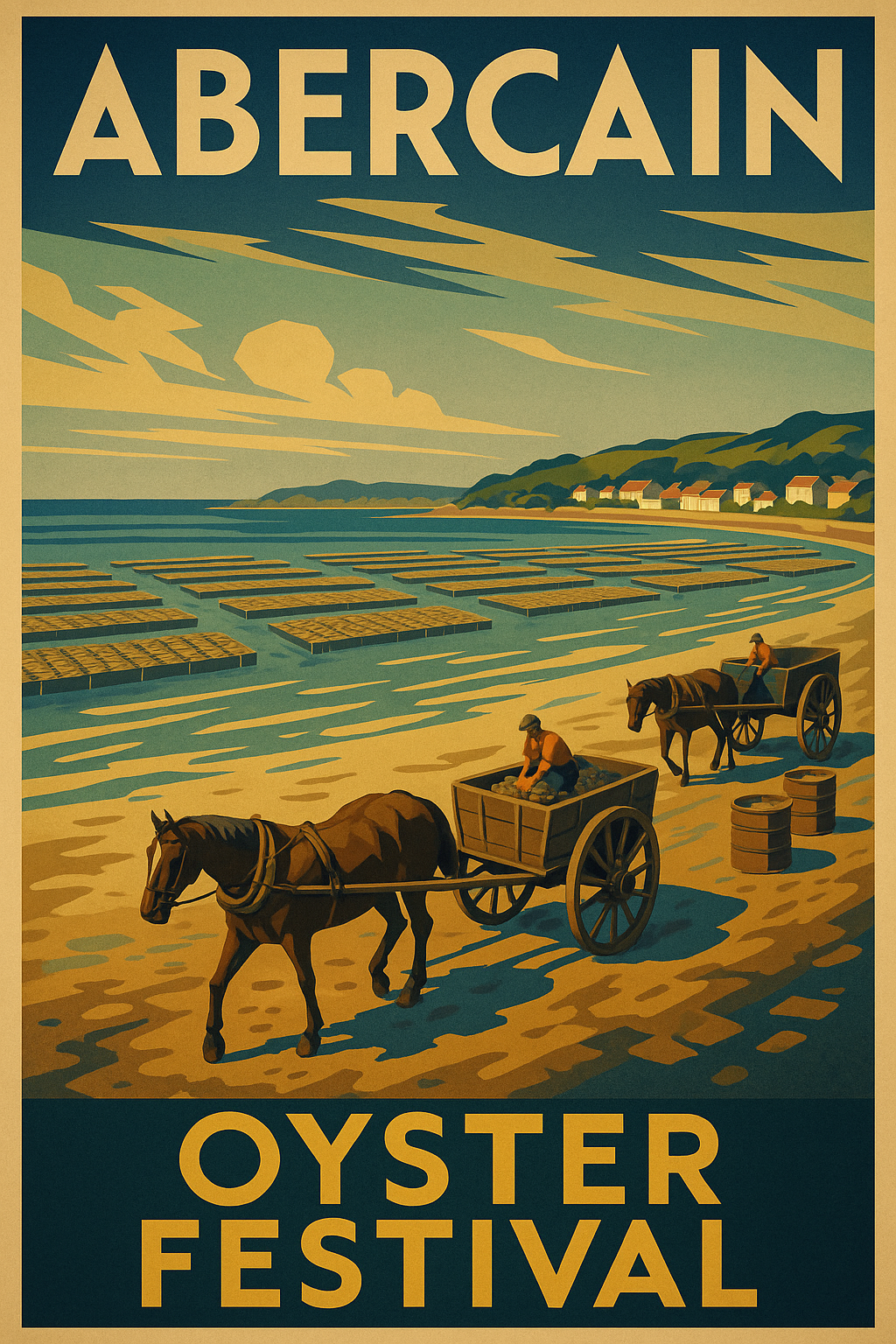
Abercain Oyster Festival Poster
The Oysters of Abercain
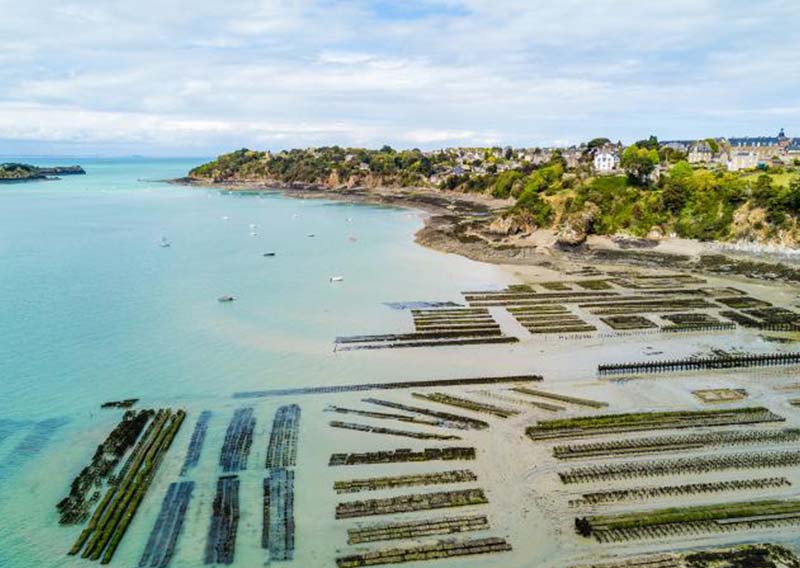
The oyster beds of Abercain are among the islands’ greatest treasures. Here the oysters stretch for miles across the tidal flats. Local legend says the beds were a gift from Llŷr, the sea god, who seeded them with pearls to reward the people’s devotion.
Harvested carefully from the tidal flats, oysters have been exported for centuries, once packed in barrels of seawater, now shipped on ice by rail and ferry. Their reputation for quality is unmatched, with chefs across the isles praising the “sweet salt” flavor unique to Rathmor’s beds.
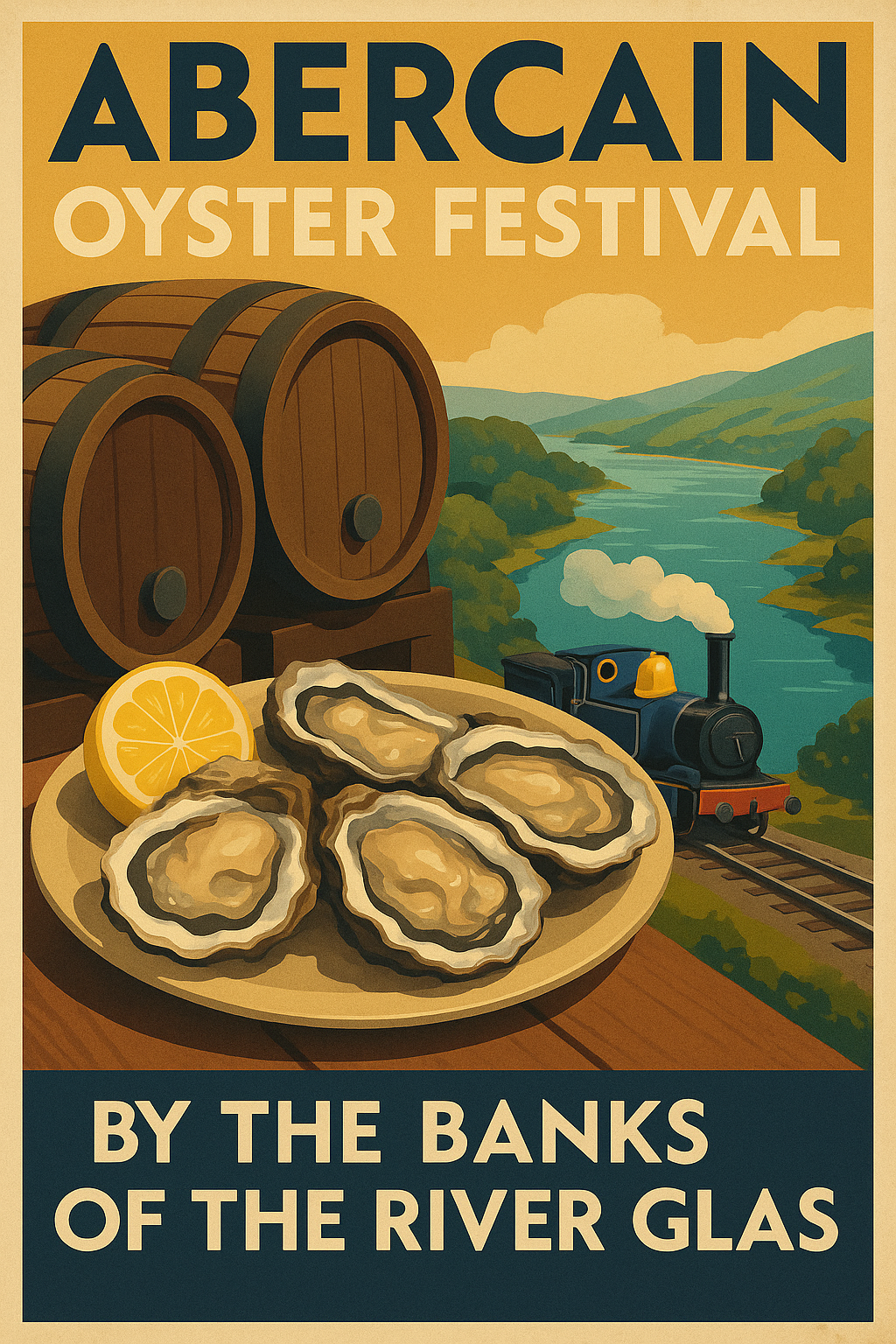
Every September, the Abercain Oyster Festival is a highlight of island life. Markets overflow with oysters, musicians play on the quayside, and competitions in oyster shucking draw crowds. The harbour is lined with racks of shells drying in the sun, and the smell of salt and sea permeates the air.
Townsfolk and visitors alike enjoy eight days of festivities in the streets, accompanied by music and dancing. For many, the festival marks the start of autumn, blending commerce, community, and celebration. Economically, oysters are one of the Islands’ most valuable exports, sustaining hundreds of jobs and cementing the islands’ place on the gastronomic map.
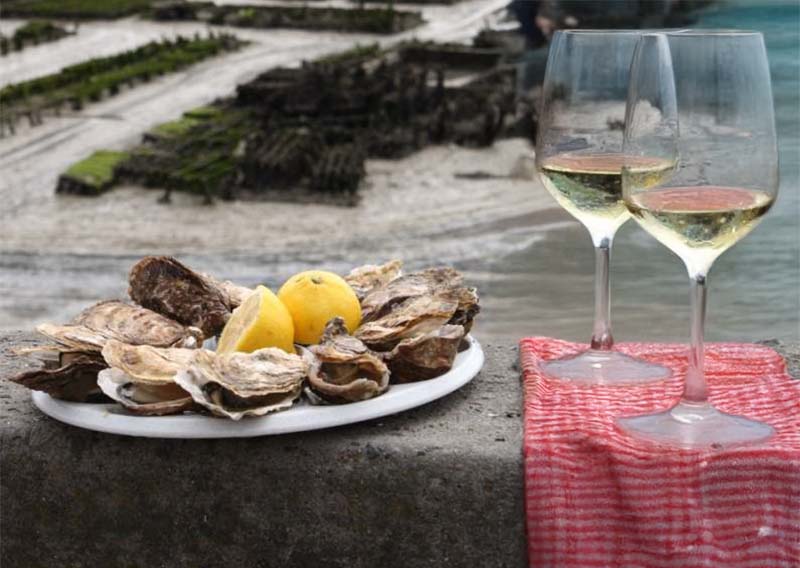
The famous Abercain Oysters
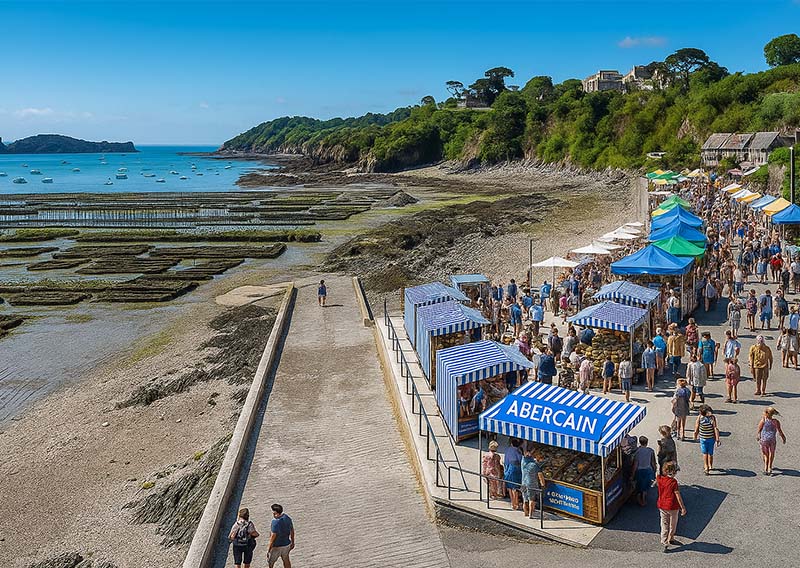
Abercain Oyster Festival
Ales and Stouts of Rathmor
Standing proudly on the banks of the River Glas in Abercain, the Rathmor Brewery is the beating heart of the Caerwyn Isles’ brewing tradition and the largest producer of beer anywhere in the archipelago. Founded in the mid-19th century, the brewery first made its name supplying nourishing ales to farmhands, slate miners, and quarrymen working the rugged interior of Rathmor. These early brews were simple but dependable—crafted to quench thirst, fortify labourers, and bring warmth to tavern hearths after long days in the fields and quarries.
In 1901, the brewery relocated from its original site in Gwynhaven to Abercain, drawn by the purity of the River Glas, whose mineral-rich waters soon became central to its brewing identity. Locals still insist that this natural source gives Rathmor’s ales their unmistakable character—crisp, clean, and subtly marked by the geology of the surrounding highlands. Today the brewery’s sprawling brick complex remains a defining landmark of the town, its tall chimneys, copper kettles, and clattering drays a familiar part of the daily rhythm.
Its flagship India Pale Ale (IPA) is among the most celebrated products of the islands. Known for its fragrant hop aroma, floral bitterness, and balanced malt backbone, it has become a prized export enjoyed throughout northern Europe. Barrels of this pale golden ale leave Abercain each week, travelling by rail and ship to pubs and taverns far beyond the islands’ shores. Alongside the IPA, the brewery produces a range of robust stouts, their deep roasted flavours said to echo the smoky fires once kept alight in the slate miners’ cottages of central Rathmor.
Rathmor Brewery is also at the heart of the islands’ social calendar. Each autumn, the towns of Abercain and Gwynhaven host lively beer festivals celebrating the brewery’s heritage and craftsmanship. Music fills the streets, local foods are shared, and the famous barrel races—a tradition nearly as old as the brewery itself—send cheering crowds spilling across cobbled lanes.
Today, the Rathmor Brewery stands as both a guardian of tradition and a symbol of island pride—a place where history, craft, and community continue to ferment together.
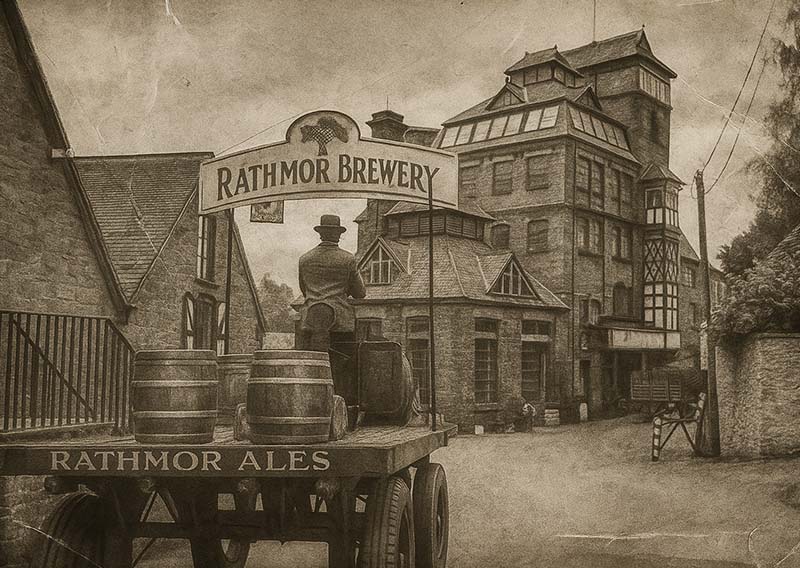
Rathmor Brewery c1910

Rathmor Brewery beer bottles
The Railways to Abercain
The arrival of the railway in Abercain in 1860 marked a turning point for the East of Rathmor. The Abercain and Gwynhaven Railway opened that year, running along the eastern seaboard and linking the coastal towns together. For the first time, fish, farm produce, and passengers could move with speed and certainty, no longer reliant solely on ships and rough coastal tracks.
This was constructed in a different gauge to other lines in use or under construction at the time. The 4ft 8 and 1/2 inch 'Broad Gauge' as opposed to the 1ft 11 and 1/2 inch gauge used in the mineral lines in existence elsewhere. The line was designed for passengers as well as goods right from the start, connecting the two market towns at speeds previously only dreamt of. The owners took inspiration from similar lines in mainland Britain. At the time the thought of creating a full integrated network across the isles was not a priority, so the owners did not want to 'compromise the passenger comfort' with a narrow gauge railway. The larger gauged project lasted less than twenty years before being absorbed into the wider Rathmor Railway Ltd in 1879, when it was immediately re-gauged in preparation for the impending connection from Porthelan which was well under construction by then.
In 1880, the eastern line was extended from Porthelan to Abercain, connecting with the re-gauged Gwynhaven line. This new line also integrated with a patchwork of mineral tramways that ran down from the inland hills. The line connected through to Porthelan, creating the first continuous east–west route across Rathmor. For the first time, trains could run unbroken from Gwynhaven in the east through Abercain and Porthelan, all the way to Talporth in the west. This cemented Abercain’s role as both a coastal port and a key junction.
The most dramatic change, however, came with the opening of the Llyngor Bridge in 1885. This great structure spanned The Straights south from Little Rathmor to Llyngor, enabling a direct coastal route from Abercain. Suddenly, services could run straight along the coast through Llyngor, bypassing some of the earlier inland detours, and continuing westward to Llanchala and beyond.
This new artery not only shortened journey times but also firmly integrated Abercain into Rathmor’s wider passenger network. Locals could board a train in Abercain and travel with ease across the islands, while goods—from oysters to barrels of IPA—moved more quickly than ever before. Oysters were sent daily to Llanchala for export, all boxed in a fresh bed of Gorofan Ice fresh from the glacier. The town prospered, with new packing houses and fisheries springing up, employing not only fishermen but women in shucking and processing.
The railway sealed Abercain’s role as a hub where river, sea, and rail met, ensuring that the mouth of the “fair river” would remain a gateway for trade, travel, and tradition.
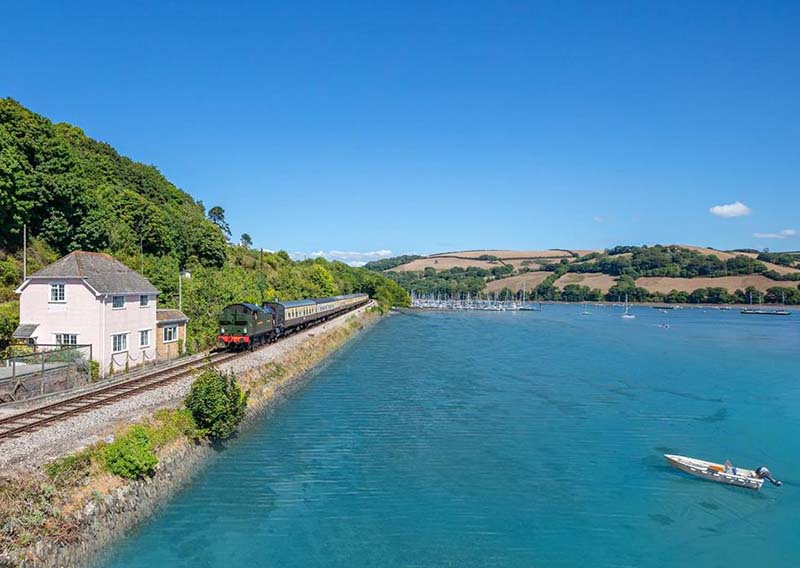
The line to Abercain runs along the river Glas
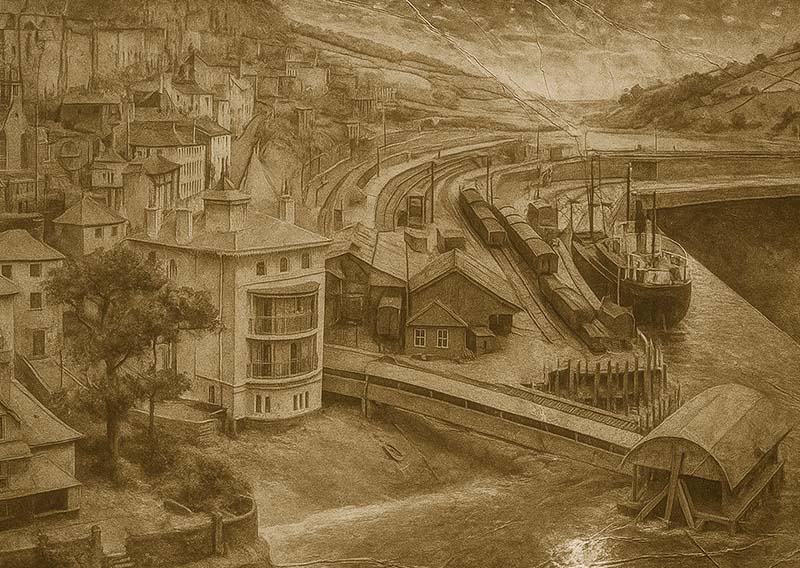
Abercain station and docks c1890
History
Towns
Abercain
Abercain Maps
Abercain
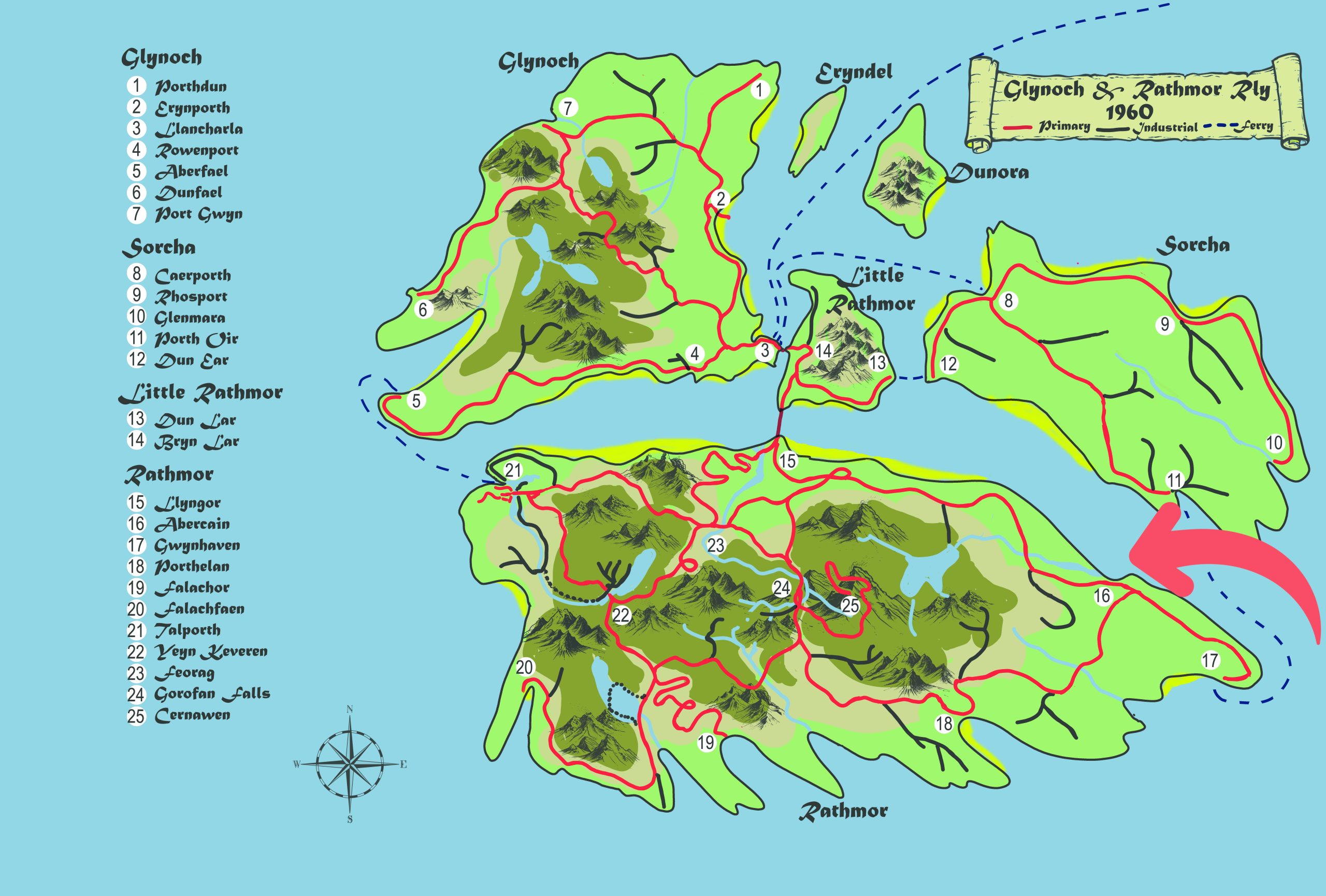
Located on the east coast of Rathmor
Explore More Towns...
...View All Towns