


The Glassmaking Industry of Talporth
The industry owes its origins to the exceptionally pure silica sands found in the region—most notably along the coast and within the shallow channels of The Straights
History
Industries
Glassmaking
Map
The Glassmaking Industry of Talporth
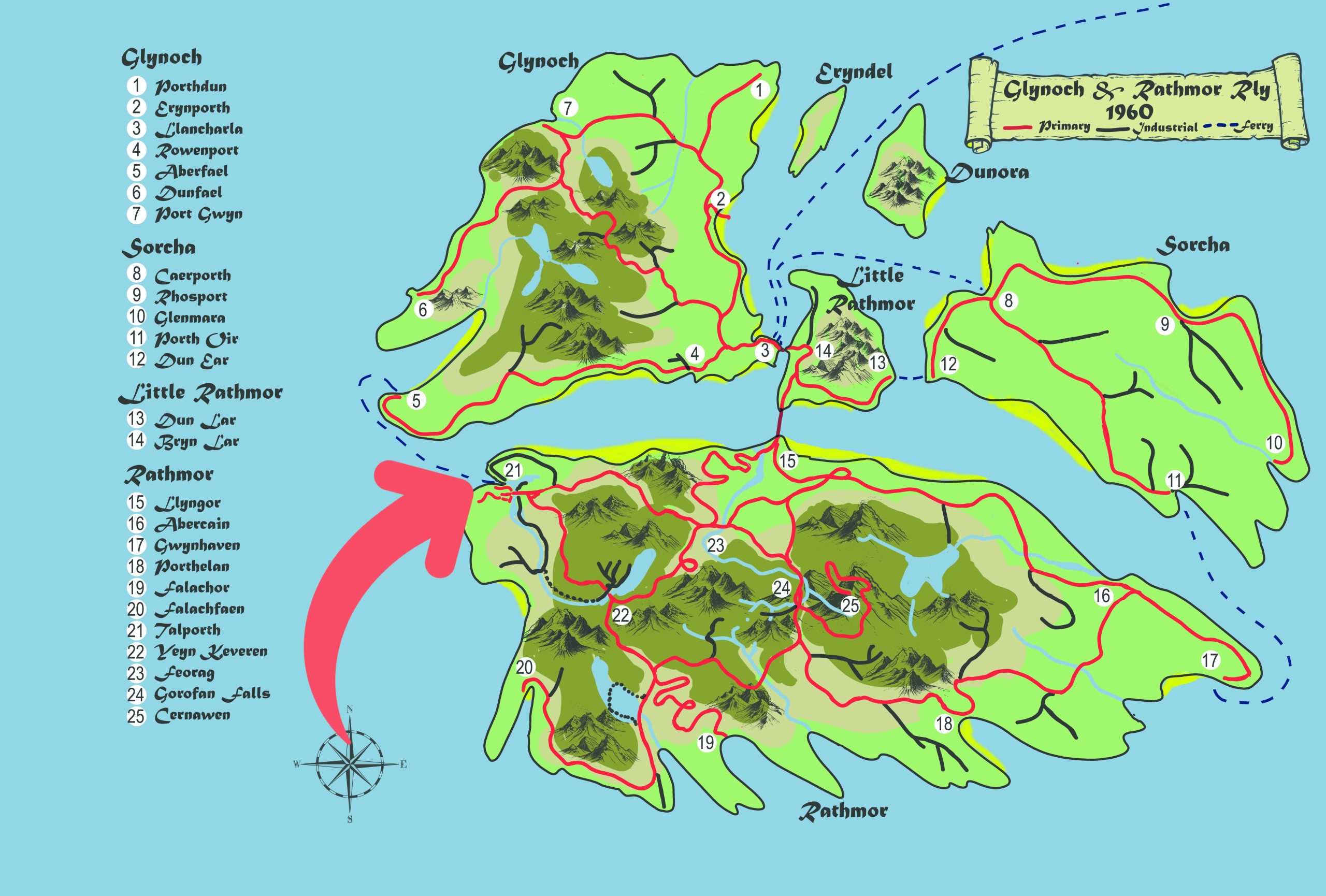
Nestled in the north west corner of Rathmor, the town of Talporth has long been celebrated as the beating heart of the islands’ glassmaking tradition. The industry owes its origins to the exceptionally pure silica sands found in the region—most notably along the coast and within the shallow channels of The Straights, where centuries of tides have deposited fine, high-quality quartz sand. Later quarrying efforts uncovered even larger inland seams, ensuring that Talporth would have a near-endless supply of one of glassmaking’s most vital ingredients. With this natural advantage, the town evolved from a small community of coastal artisans into a bustling centre of innovation and craftsmanship.
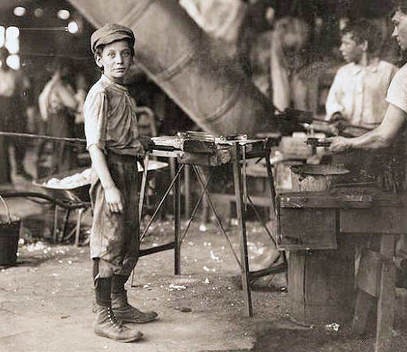
Talporth Glass c1900
The distinctive character of Talporth glass comes from its use of potash derived from burnt kelp, sourced from the seaweed farms of Falachfaen. This potash glass is known for its clarity, brightness, and ability to take colour beautifully, qualities that set Talporth products apart in markets across the islands and on the mainland. Craftsmen here produce an impressive array of goods: delicate drinking vessels, intricately etched perfume bottles, robust storage jars for household use, and finely blown lampshades prized for their warm, even glow. Decorative items such as glass beads, figurines, and paperweights—each shimmering with the subtle greenish tint characteristic of potash glass—remain popular with visitors.
Colouring the glass is an art in itself. Cobalt oxide lends a deep oceanic blue, while manganese produces shades from pale amethyst to rich violet. Iron gives soft greens, and selenium allows for vibrant reds and oranges. Talporth artisans experimented with these minerals over generations, creating a palette that has become a signature of Rathmorian craftsmanship.
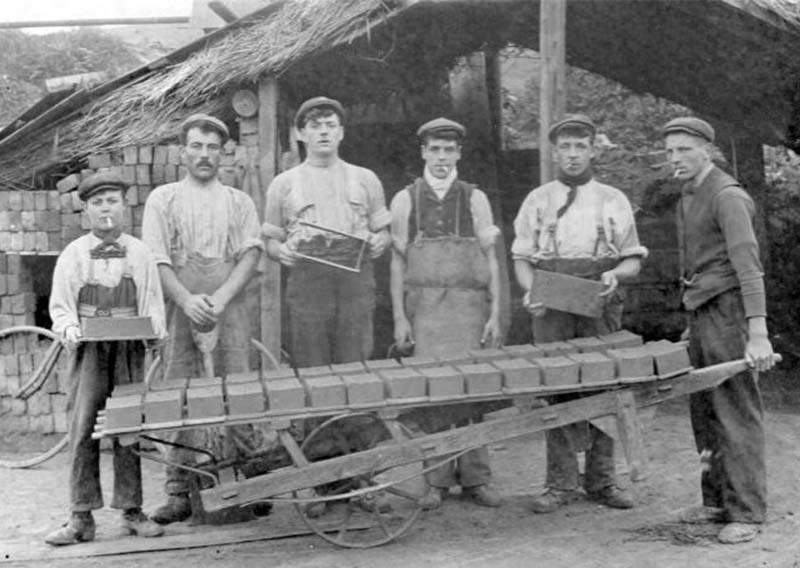
Perhaps the town’s most influential contribution to the wider economy came with the development of a simple, reliable method of producing sheet glass. This breakthrough revolutionised local construction. Paired with bricks from the neighbouring kilns, entire buildings across the islands—shops, schools, lighthouses, and civic halls—were clad and illuminated using materials sourced entirely from Rathmor itself.
Talporth stands today as a shining example of how these islands have not merely survived in relative isolation, but thrived. Its glassware is exported far more widely than goods are imported, embodying a resourceful, self-sufficient spirit. Long may the fires of the Talporth furnaces continue to burn.
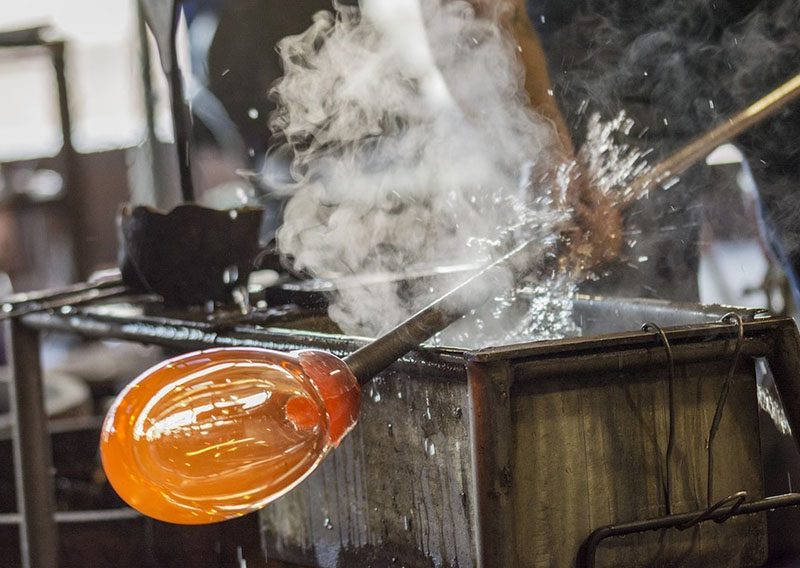
Glass blowing - Talporth
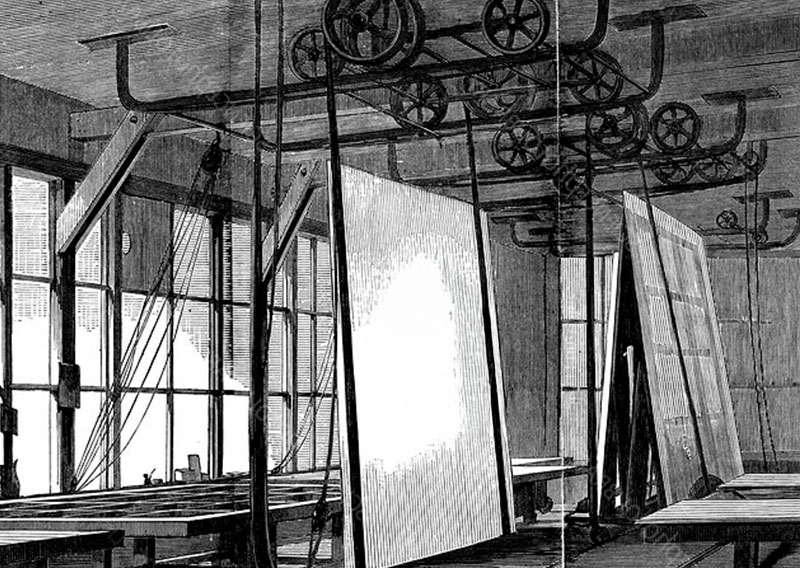
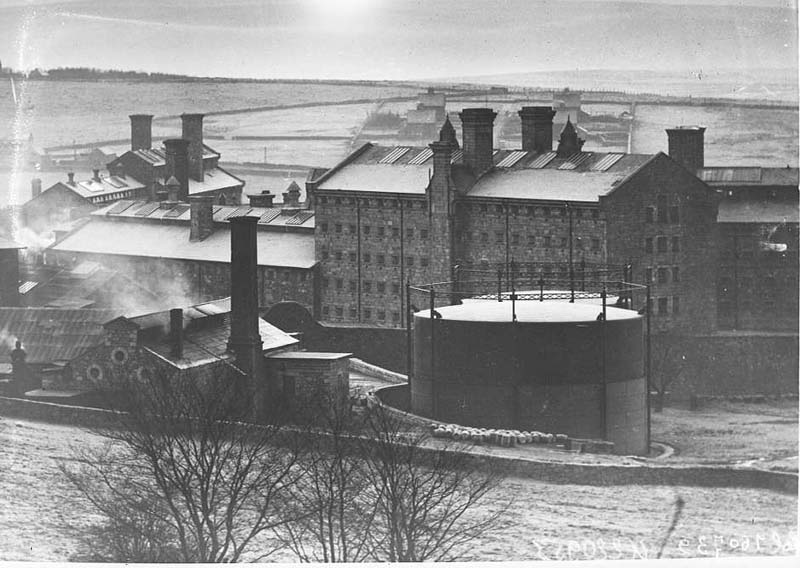
19th Century Sheet glass production - Talporth
History
Industries
Glassmaking
Map
The Glassmaking Industry of Talporth
Located in the north west corner of Rathmor


0 Comments