


The Mines of Gorofan
The discovery of tin, copper, and zinc deposits in the mid-19th century occurred almost by accident, when forresters were digging access tracks struck unusually heavy, metallic stone
History
Industries

Gorofan Mines
Map
The Mines of Gorofan
The rugged central ranges around Gorofan, in the central highlands Rathmor, have long been known for its dramatic cliffs, wind-carved ridges, and, beneath the surface, a wealth of valuable minerals. The discovery of tin, copper, and zinc deposits in the mid-19th century occurred almost by accident, when forresters were digging access tracks struck unusually heavy, metallic stone. Samples brought to Talporth for examination revealed rich ore seams, triggering a rapid transformation of the once-quiet headland into one of the island’s busiest industrial districts.
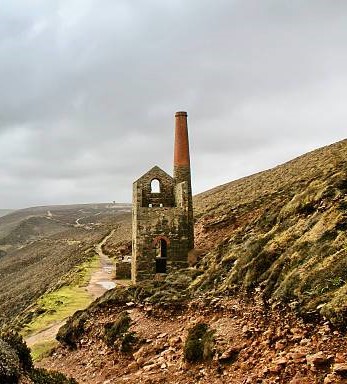
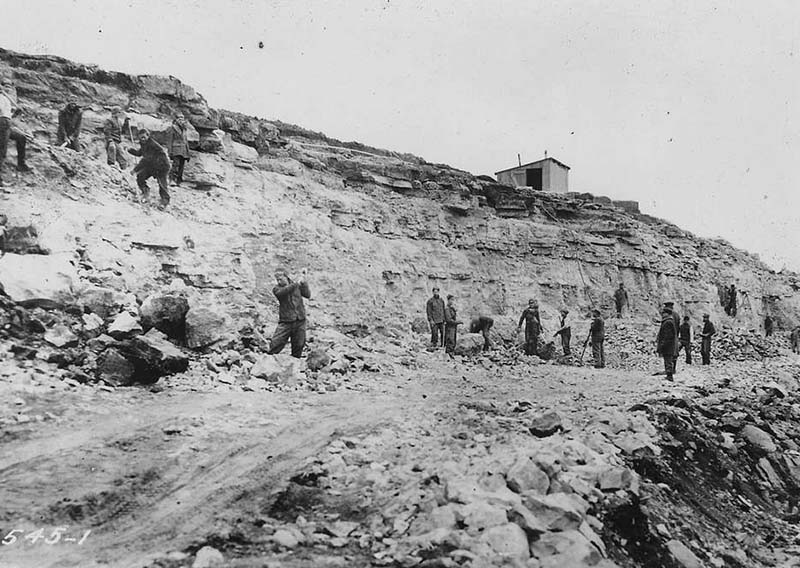
Tin mine - Gorofan
Tin was the first mineral to be extracted on a large scale. Highly resistant to corrosion and easy to work, tin became essential for producing alloys such as bronze and was widely used in the manufacture of food tins, pipe fittings, and fine metal goods. Soon after, miners uncovered substantial seams of copper, a metal prized for its conductivity and central to the growing electrical and telecommunications industries. The arrival of zinc, found in equally generous quantities, cemented Gorofan’s importance. Zinc serves not only as a critical component of brass but also as a preferred material for galvanising iron, protecting it from rust in the harsh island climate.
At the height of production, the mines supported hundreds of workers, and a network of horse-drawn mineral tramways and rope-worked inclines were laid across the surrounding ranges. These narrow-gauge lines linked the deeper inland workings to the main line at Gorofan and onto the harbour and processing facilities at Talporth, allowing ore to be transported far more efficiently than by cart alone. Trains of small wagons, hauled by sturdy pit ponies, became a common sight against the rugged backdrop. By the early 20th century, as output expanded and technology improved, these tramways were upgraded and replaced by steam-hauled railways, further speeding the movement of ore to Talporth’s smelters and quayside warehouses.
Though some mines have since reduced activity, Gorofan’s legacy remains a cornerstone of Rathmor’s industrial heritage. The islands mineral wealth helped supply the metalworkers, engineers, and exporters for generations, playing a crucial role in the self-sufficiency for which these islands are famed. Today, remnants of tramways, inclines and abandoned shafts stand as reminders of an era when Gorofan's earth powered industries across the archipelago—and far beyond.
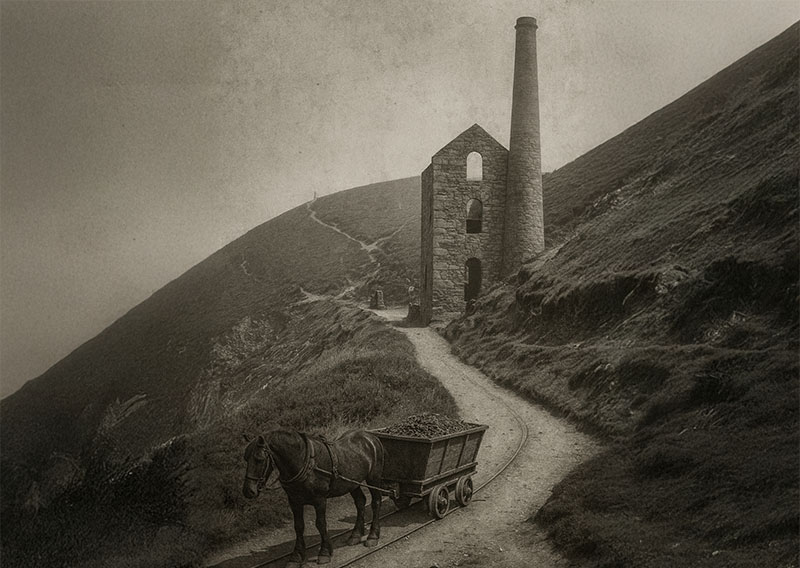
Gorofan c1890
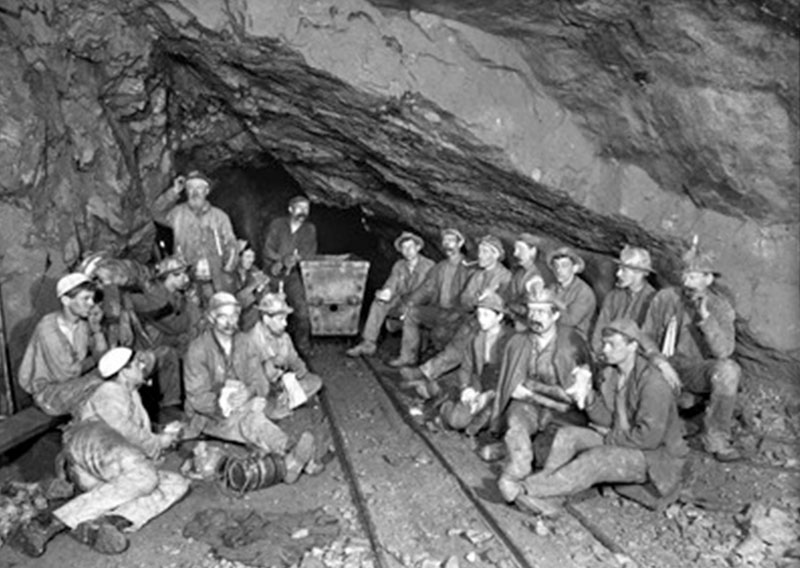
Gorofan zinc mine c1920
History
Industries
Gorofan Mines
Map
The Mines of Gorofan
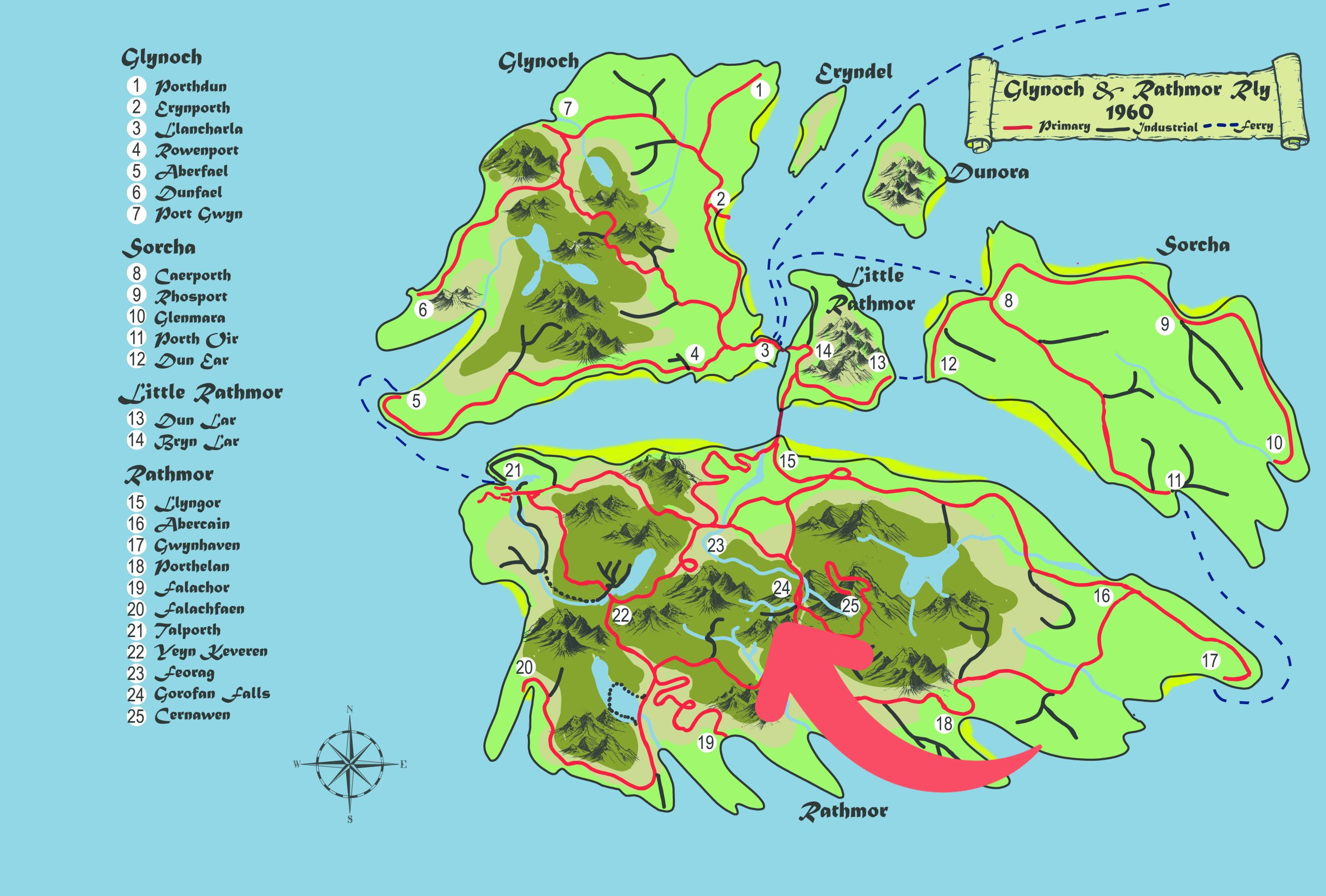
Located in the highlands of Central Rathmor
More Industries....