


12. Dun Ear History
The Eastern Fort town, guarding the sea-approach through the Rathmor Channel. A haven for poets and painters.
History
Towns
Dun Ear
Dun Ear Maps
Dun Ear
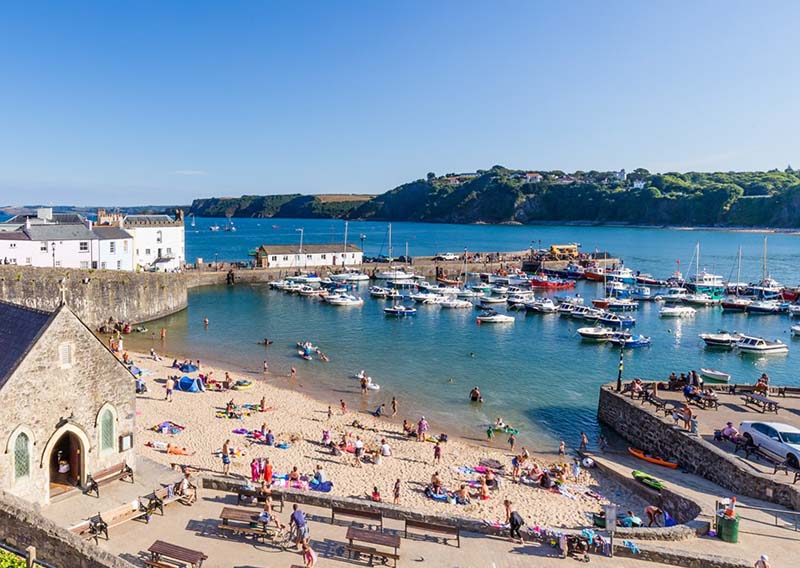
Dun Ear (pronounced: Doon-Air) – From the Celtic dùn meaning “fort” and ear meaning “east.” A historic fortress town at the western end of Sorcha, twinned with Dun Lar across The Rathmor Channel. Known for its shipbuilding heritage, fertile farmland, and later as a haven for artists and poets.
Dun Ear
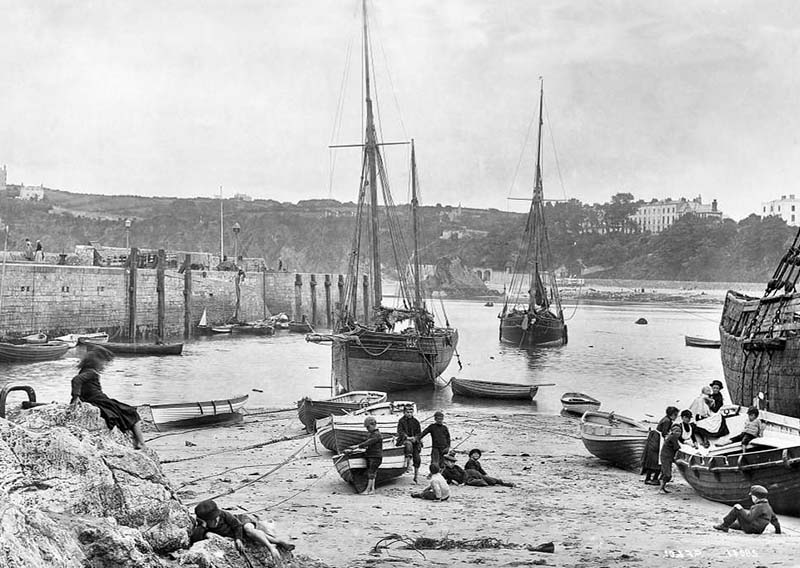
Dun Ear Harbour c1880
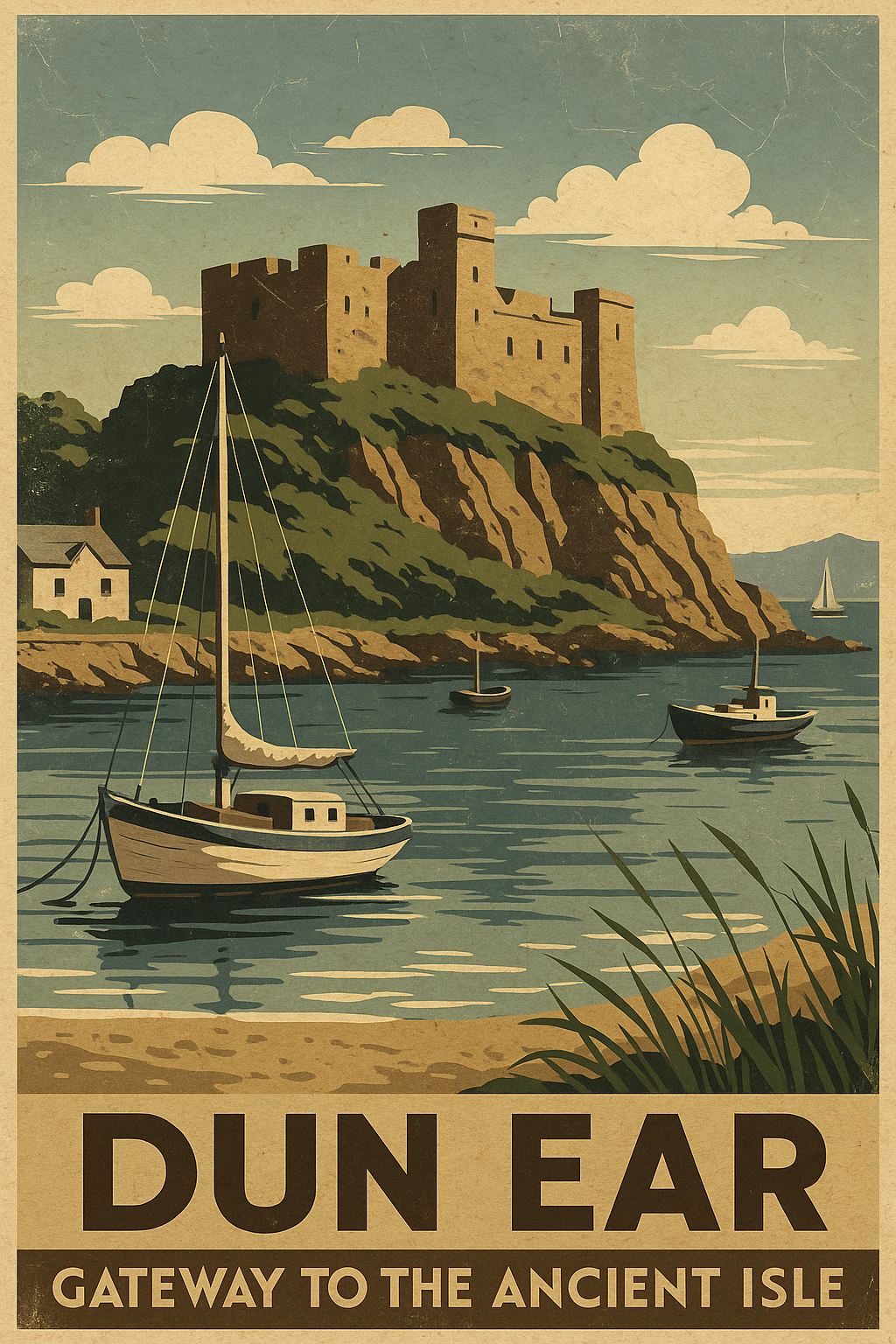
1920s advert
Dun Ear, guardian of The Straights, where stone battlements watch the tide and poets find their muse.
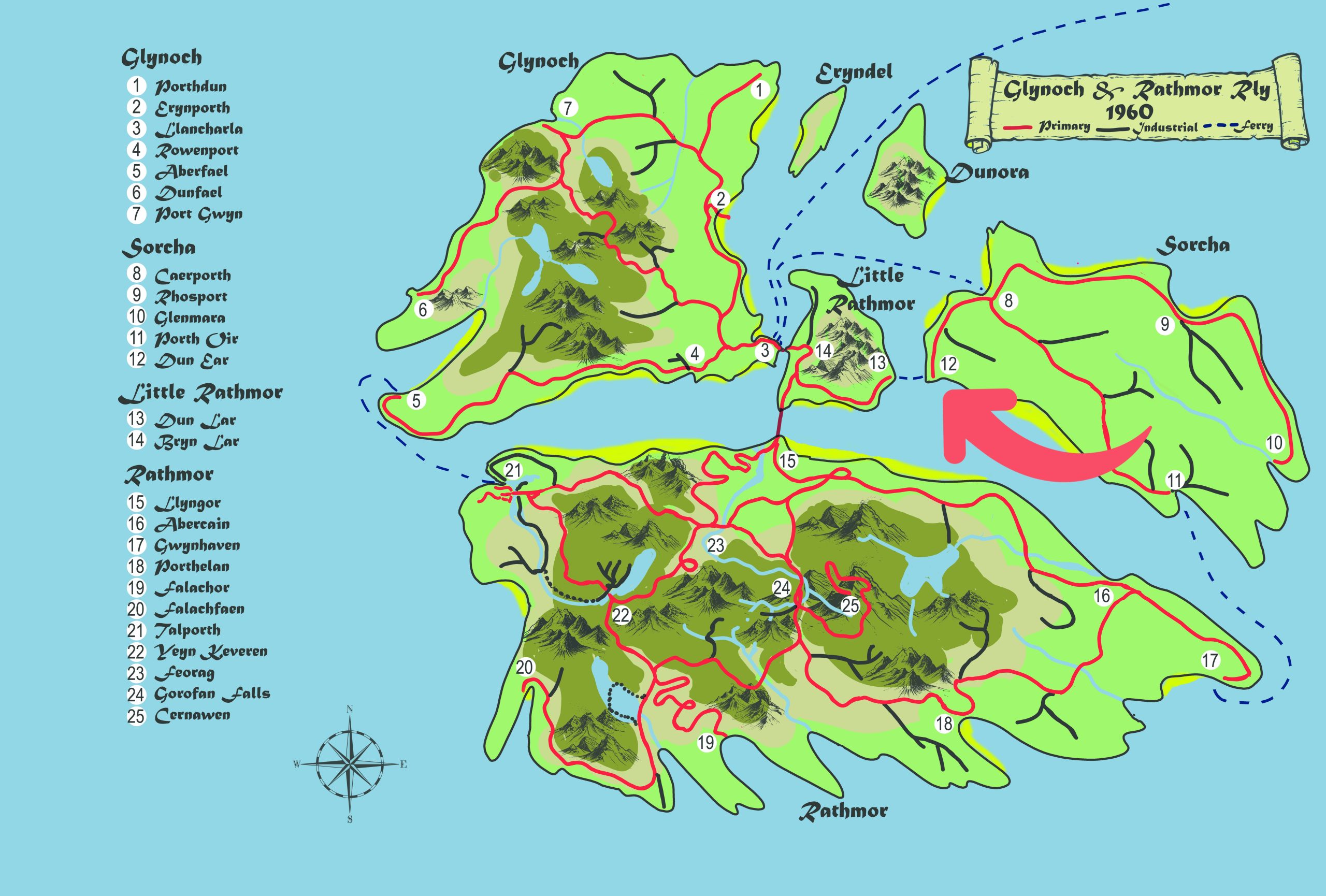
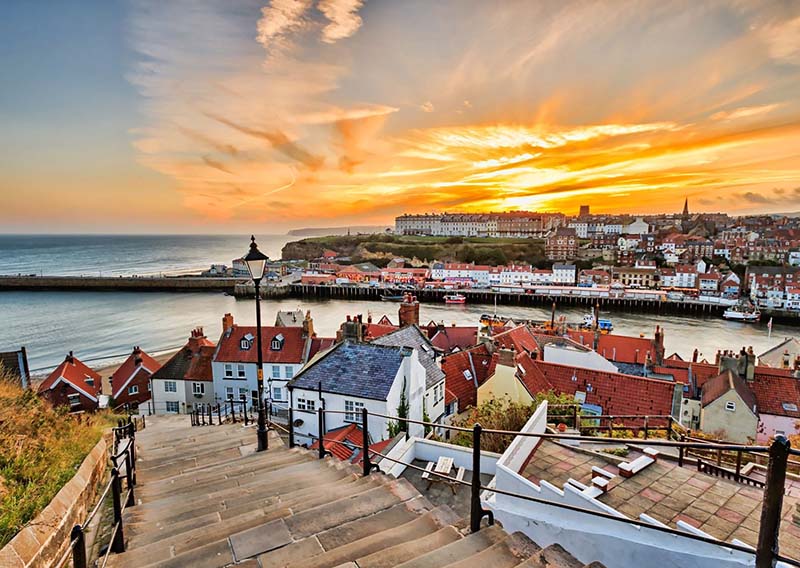
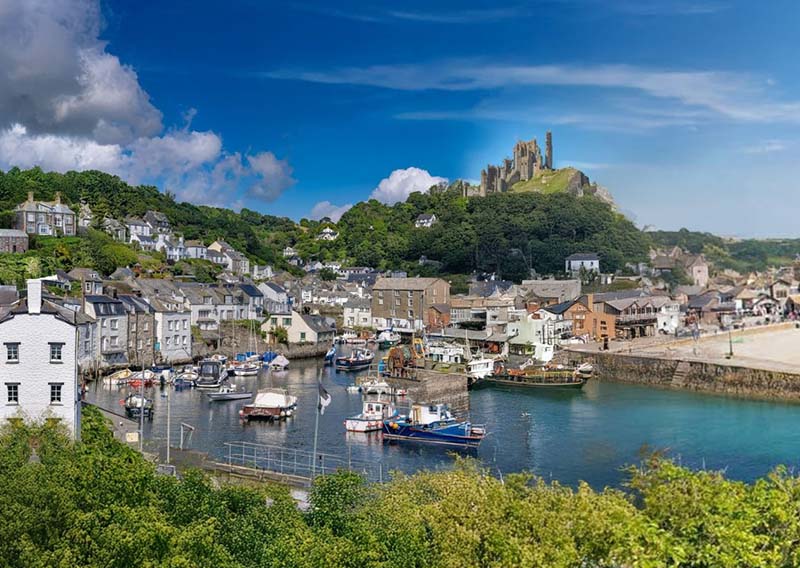
On the southwestern corner of Sorcha, Dun Ear commands the narrow waters where The Straights meet The Rathmor Channel, facing its twin fortress at Dun Lar across the water. The original settlement grew around a stone fortress built to guard the southern entrance to Llanchala Bay, a defensive outpost whose towers still rise above the harbour. Together with Dun Lar, it formed a watchful pair of guardians that controlled the key approaches to the channel.
For centuries, shipbuilding was Dun Ear’s lifeblood, with the great forests of western Sorcha providing oak and pine for hulls and masts. The shipyards turned out everything from fishing craft to stout trading vessels, and during times of war, the fortress resounded with the hammering of naval construction. Today, much of those forests are gone, felled in the long centuries of maritime demand, but their absence gave rise to something new: rich, fertile farmland. Sorcha’s famed wheat and sugar cane fields now stretch across the western hinterlands, and Dun Ear remains the key port through which these goods pass.
The waters around Dun Ears southern cliffs are said to be haunted by mermaids. The most famous tale tells of a fisherman who fell in love with one of these sea-women; she lured him to the rocks, where he vanished forever. Poets and painters from the mainland came here in the 19th century, inspired by the dramatic coast and its eerie legends. Hotels and guesthouses sprang up to cope with the newly found popularity of the town. There is now even a museum dedicated to the 'Water Nymphs of Dun Ear'.
Dun Ear has continued its reputation as a haven for artists and poets, seeking solitude and inspiration, drawn in by the rugged cliffs, storm-lit skies, and the quiet dignity of its fortress walls. Its cobbled streets echo with galleries, studios, and coffee houses, and the harbour has become as well-known for its festivals as for its trade. Dun Ear stands as a place where history, art, and commerce intertwine, forever looking across the waters to its twin at Dun Lar.
Today, visitors still walk the cliff paths, paint the seascapes, and listen to locals sing old ballads of the sea. Its sea caves, carved by the tide, are a constant draw for explorers.
Ship Building at Dun Ear
The shipyards of Dun Ear are among the oldest and most storied in the islands, their origins stretching back so far into legend that history and myth entwine. Islanders tell of a near-mythical shipwright, a master craftsman said to have built vessels for both kings and gods, teaching the people of Sorcha how to shape timber to the tides. It is from his workshop, so the stories go, that Dun Ear’s tradition of fine shipbuilding first flowed.
Generations of shipwrights carried on his craft, and local lore insists that every seventh vessel launched from Dun Ear bears within its keel a hidden soul-stone – a crystal taken from the island’s cliffs, said to protect the ship and its crew from misfortune on the waves. Even today, the blessing of a new vessel is marked by ritual. As the ship slides down the slipway into the sea, songs are sung, prayers are spoken, and bread is broken against the prow, a symbolic act of feeding the vessel before its first voyage.
The town itself bears the mark of this trade. Its narrow cobbled lanes around the dockside warehouses are filled with the pungent scents of tar, pitch, and sawdust. From dawn until dusk, the sound of mallets and saws echoes across the harbour, as fishermen’s boats are mended, cargo ships are caulked, and the occasional great schooner or naval craft takes shape on the slips. Dun Ear’s shipyards once consumed much of the forests of western Sorcha, their oak and pine transformed into hulls, masts, and decking. Today, those forests are long gone, replaced by fertile farmland, but imported timbers still feed the craft.
Each spring, the town honours its maritime heritage with the Shipwrights’ Festival. For a week, the yards open their gates to the public. Masters demonstrate old techniques of joinery and ropework, while stalls sell model ships and carvings. Children launch toy boats in the harbour, and the evening air is filled with sea shanties sung by the descendants of those who once built fleets for kings. The festival is as much a living tradition as it is a celebration, ensuring that Dun Ear’s shipbuilding spirit endures as long as the tides.
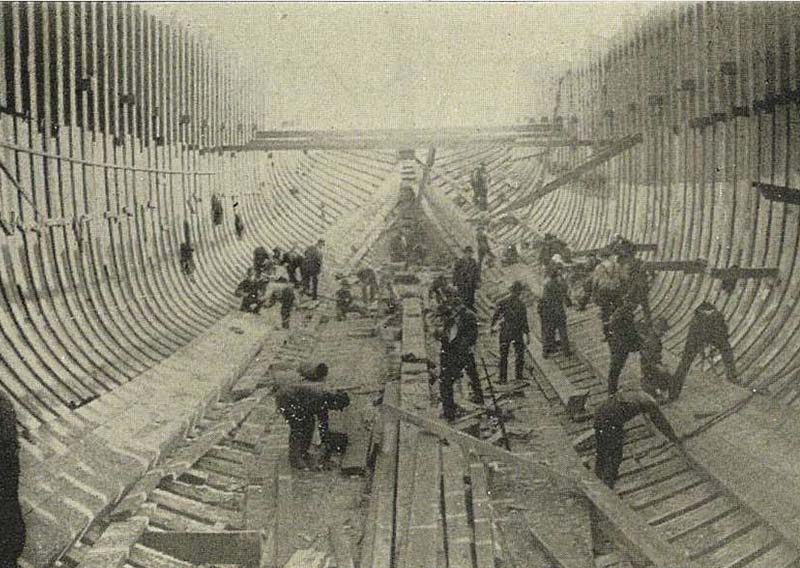
Timber ship construction - Dun Ear c1890
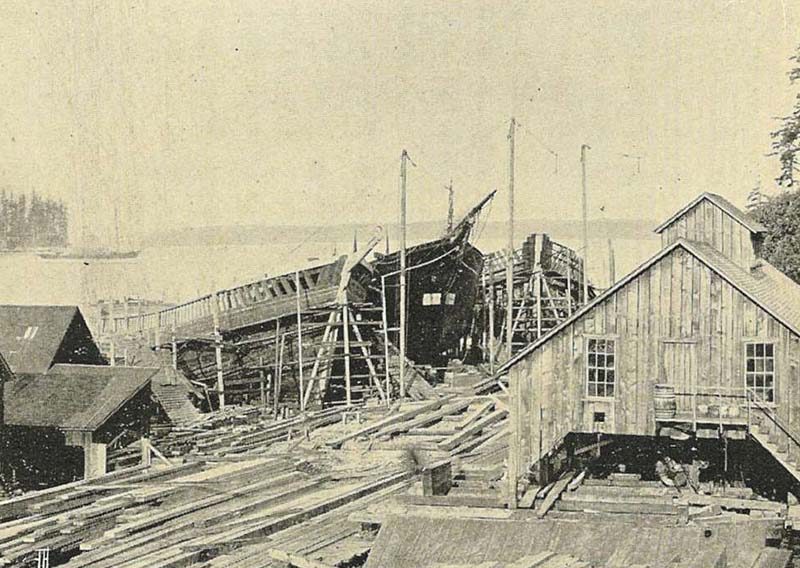
Dun Ear shipyard c1870
The Rope-Making Industry of Dun Ear
Perched on the rugged south west corner of Sorcha, the town of Dun Ear has long been recognised as the island’s premier centre for rope-making—a craft as essential to the region’s maritime livelihood as boatbuilding itself. For centuries, the town’s fortunes rose and fell with the sea, and as the fishing and shipbuilding industries expanded, Dun Ear naturally evolved into the islands’ main supplier of ropes and nets.
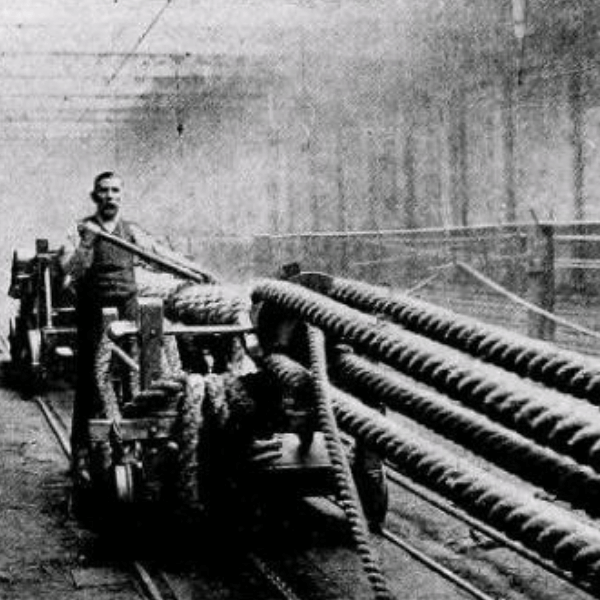
Rope Making – Dun Ear c1900
The industry’s success began with the fertile fields east of the town, where hemp was cultivated extensively throughout the 19th and early 20th centuries. The plant thrived in the mild, sheltered microclimate of the coastal plain, producing strong, flexible fibres ideal for cordage. Once harvested, the hemp stalks were retted, dried, and beaten to release their long fibres, which were then spun into yarn in workshops along the waterfront. This ready supply of local raw material gave Dun Ear a substantial advantage over other ports, allowing rope merchants to meet the ever-growing demands of fishermen, sailors, and merchants across the island chain.
To accommodate the production of the long, heavy cordage required by sailing vessels, the town built a series of impressive rope walks—narrow, elongated buildings stretching for hundreds of metres. Inside these structures, teams of ropemakers worked in careful coordination, walking the full length of the building as they twisted, stretched, and wound multiple strands into durable ship’s rope. The rhythmic creak of wooden wheels and the steady call-and-response of the workers became a familiar soundtrack to life in Dun Ear.
Complementing the rope walks were the town’s expansive net-weaving warehouses, where skilled workers knitted fishing nets in vast, airy halls. These nets were indispensable to the islands’ herring fleets, and Dun Ear’s output reached harbours far beyond Sorcha, supplying fishing communities throughout the archipelago.
Today, the rope-making tradition remains a proud part of Dun Ear’s identity. Though modern materials and machines have transformed aspects of the craft, several workshops continue to produce traditional hemp rope for heritage boats, coastal museums, and specialist maritime uses. Visitors to Dun Ear can tour restored rope walks, watch demonstrations of net weaving, and purchase small coils of rope or decorative knotwork—tangible reminders of a community built on strength, skill, and seafaring necessity.
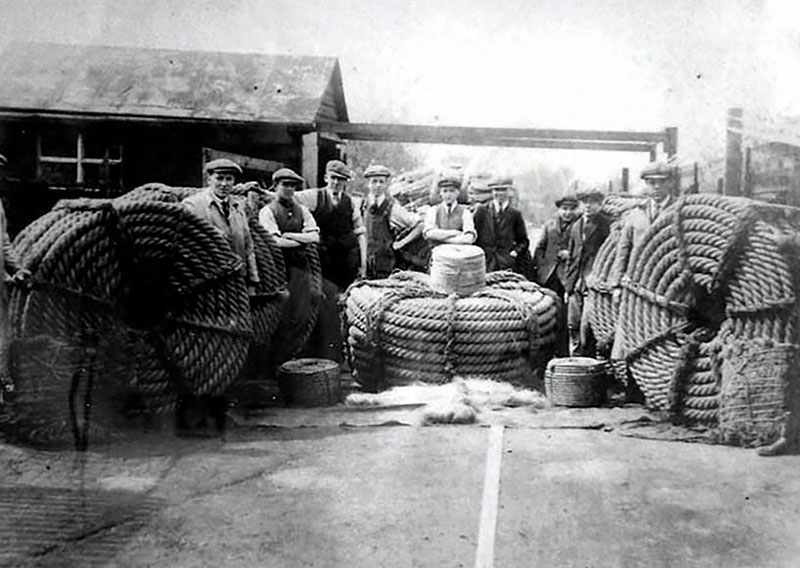
Rope makers – Dun Ear c1920
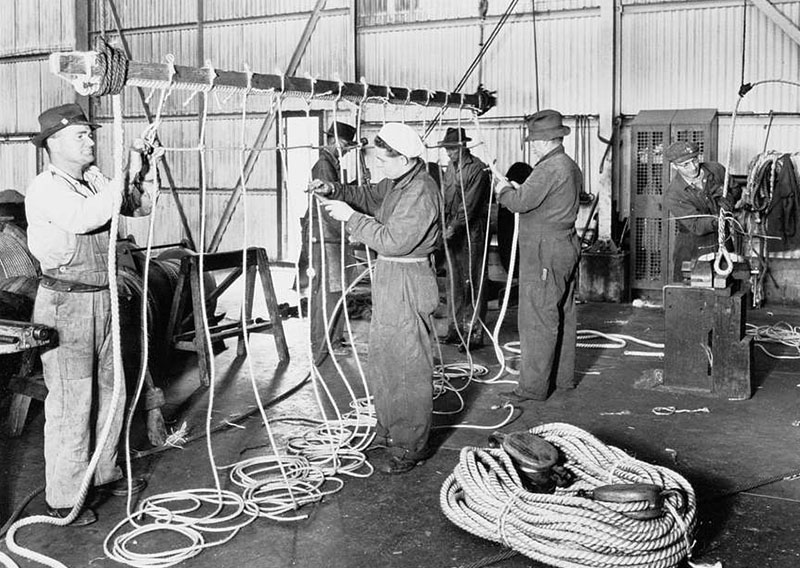
Net Making – Dun Ear c1930
The Railway at Dun Ear
Ironically one of the earliest railway investors living on Sorcha actually lived in Dun Ear, but his railway investments were over the water on Little Rathmor. The Stuart family, and in particular John Michael Stuart had invested much of his familys fortune into the rails being built across the water on Little Rathmor. This wasn't madness, and in fact was extremely useful to him and the town of Dun Ear as a whole. He was in the sugar cane trade and had been growing the family business quite successfully for decades. However he felt he was being frozen out of lucrative deals with big customers such as the rum distillery and claimed he was being held to ransom by the shipping companies in Caerporth and by other landowners with their own vested interests, so he decided to find other routes to market for his goods. The small hop across to Dun Lar by boat and onto the rail network there was a perfect bypass to the 'old duffers' at Caerporth. As a consequence the other landowners were actively preventing rails from heading directly to Dun Ear for several years in the hope of forcing his hand. It failed and the rails eventually arrived, but the rifts created between neighbouring landowners have lasted for decades since.
The rivalry between the Stuarts and Rhospers was made all the more bitter by the fact that the two families were closely related. Lord Joseph Rhosper's daughter Catherine had married into the Stuart family against her father's wishes, a match that Joseph strongly disapproved of and which led to Catherine being stripped of many of the privileges and benefits she had enjoyed as his daughter. As the Stuarts subsequently increased their wealth, landholdings and political influence (John Stuart Senior was the local MP), in south-eastern Sorcha, Lord Rhosper became increasingly suspicious that they were using their connections to gain an unfair commercial advantage. What might otherwise have remained a family disagreement developed into a feud that influenced land sales, shipping interests and, eventually, the very routes taken by Sorcha's railways.
The railway itself arrived relatively late to Dun Ear. Much of the land required was under the control of Lord Joseph Rhosper, the self styled 'sugar cane king' of the Caerwyn Isles. Not only was he a sugar baron, but he was also a major shareholder in the docks at Caerporth and in the biggest shipping company operating out of Sorcha, the Caerporth Steam Packet Company. It was clearly not within his interests to help competing landowners and businesses from developing a competing network and export route based from Dun Ear.
By 1880 the Lords son Jacob Rhosper had a growing influence within the family's commercial affairs and this led to a more outward looking attitude to business between the large Sorcha estates, which in turn led to a change of direction for the railways of Sorcha. The possibility of a line direct to Dun Ear was no longer a forbidden thought and in 1882 it was finally opened. As per tradition at the time, the Lord should have been the one to cut the ribbon for the first train, after all it was almost entirely built on his land. It was usually considered a privilege, but he declined and left the obligation to his son Jacob. The Lord was rarely seen in public after that, leaving his business affairs almost entirely to Jacob. He died in late 1890 when Jacob took the title and continued to push the family business onwards.
So when the railway finally arrived, it transformed the town into one of the principal gateways of Sorcha. The Dun Ear Railway from Caerporth ran down the coast to Dun Ear and was designed from the start to carry passengers as well as acting as a railhead for the immense agricultural wealth of Sorcha’s inland farmlands. It connected with the existing network on the outskirts of Caerporth, allowing trains from Port Oir and the rich central belt to skirt around Caerporth and head directly south to Dun Ear. Soon the other lines from the east via Rhosport also sent most of their goods directly past Caerporth too, en-route to Dun Ear. Wheat, sugar cane, and forestry products all converged here, loaded onto ships bound for Little Rathmor and beyond.
Unlike the rugged hills and mountains of the other islands, Sorcha was relatively flat, and was therefore much easier for the railway to spread to all corners of the island with ease. In fact the only delays in construction were purely political, but as we all know, sometimes the most stubborn landowner can be a more difficult obstacle than the highest peaks! So much so that there has never been a railway constructed along the south coast of Sorcha, all traffic being required to head along the north or central corridors to Caerporth before heading south to Dun Ear. This has obviously affected the trade through Dun Ear, with Caerporth managing to harness a slice of the action.
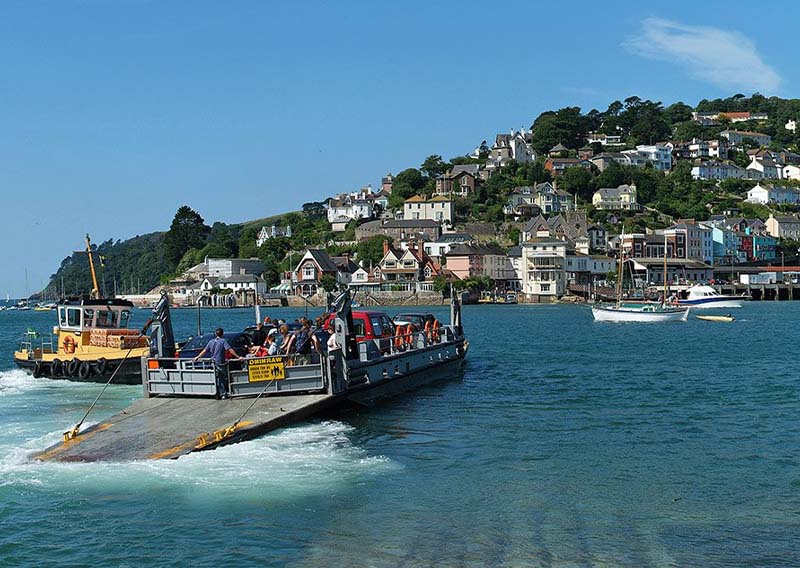
For many years there has been talk of a fixed link across The Rathmor Channel – a bold bridge or tunnel to connect Dun Ear directly with Dun Lar and the wider island rail network. Yet such plans have always faltered. The Admiralty, fearful of restricting naval shipping routes, have consistently vetoed proposals for a bridge, and surveys for a tunnel revealed the unstable seabed and shifting sands beneath The Straights. To this day, Dun Ear remains a port-dependent terminus, where goods must be ferried across by boat to continue their journey.
Still, the railway brought with it undeniable prosperity. Passenger trains carried tourists seeking the dramatic fortress views and artists bound for their studios by the sea. Goods wagons thundered daily through the farmlands, ensuring Sorcha’s produce reached distant markets. By the turn of the century, Dun Ear’s station was a bustling hub, its platforms echoing with the sounds of trade, travel, and cultural exchange.
The line cemented Dun Ear’s role not just as a guardian of the bay, but as Sorcha’s great western portal – a place where land, sea, and rail converge, and where the legacy of fortress and harbour continues in steel and steam. It took less than 10 years from the rails finally arriving in Dun Ear for the town to be considered the main entry and exit point of the island of Sorcha, eclipsing Caerporth. The administrative centre of the island will always remain at Caerporth, but the function of the town as the trading capital has now been overtaken, with little sign of that changing anytime soon.
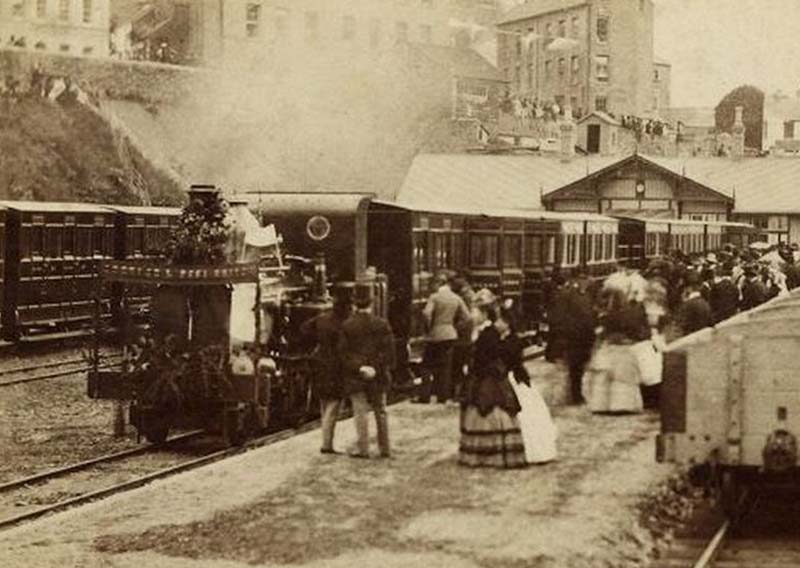
Dun Ear station, opening day 12th July 1882
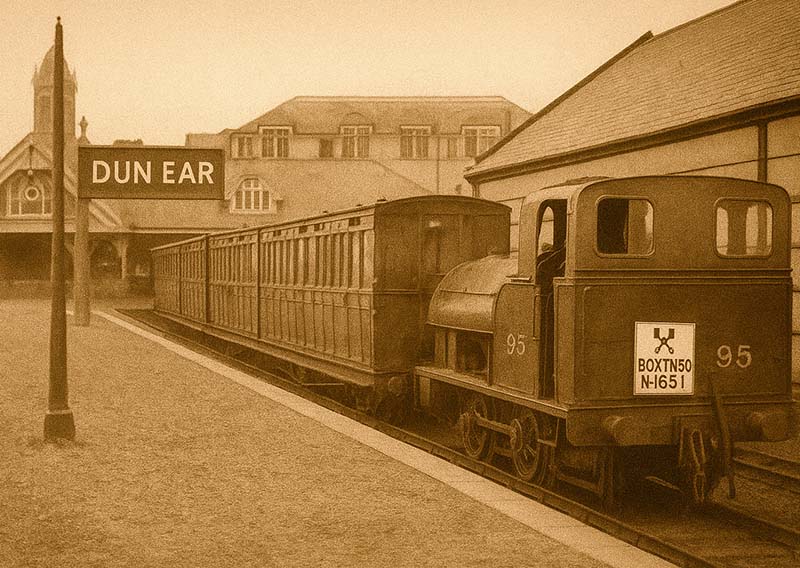
Dun Ear c1890
History
Towns
Dun Ear
Dun Ear Maps
Dun Ear
Located on the west coast of Sorcha
Explore More Towns...
...View All Towns