
Close

Early Railways of Caerporth

The fascinating story of how the railway evolved, why it is so special and why it should be remembered.

History

Railways

Caerporth

Caerporth Maps

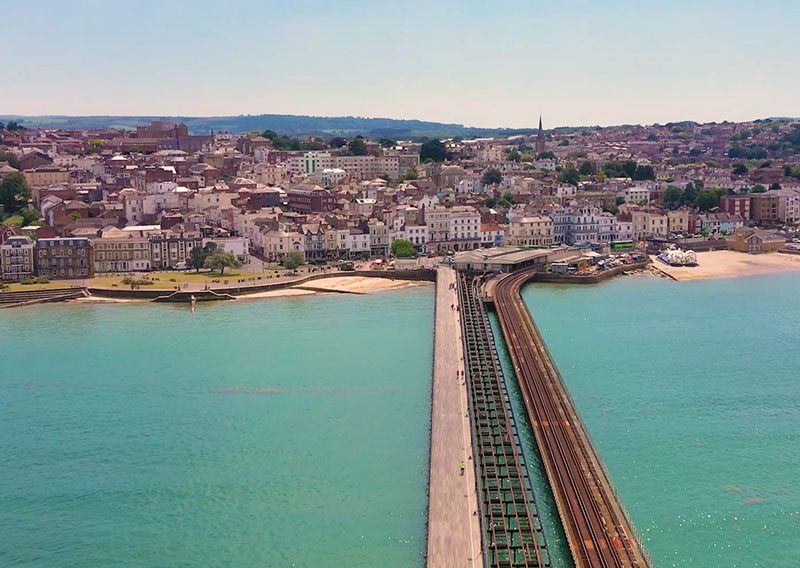
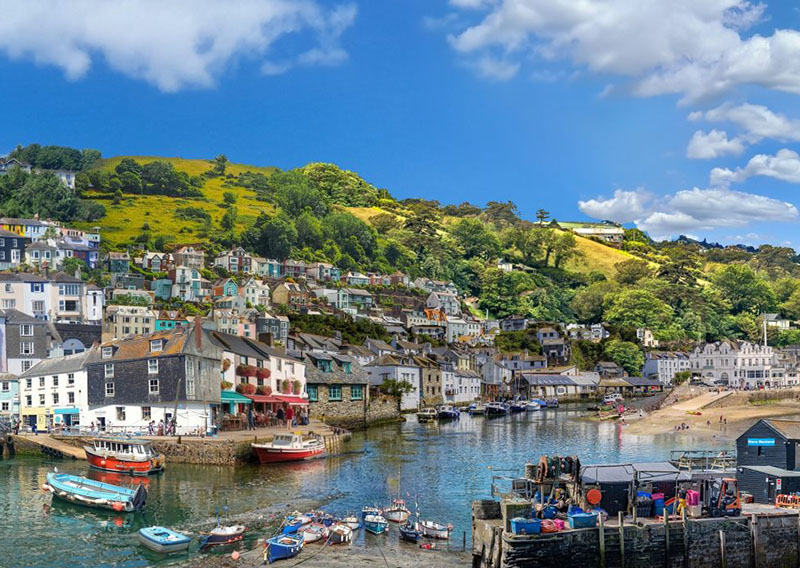
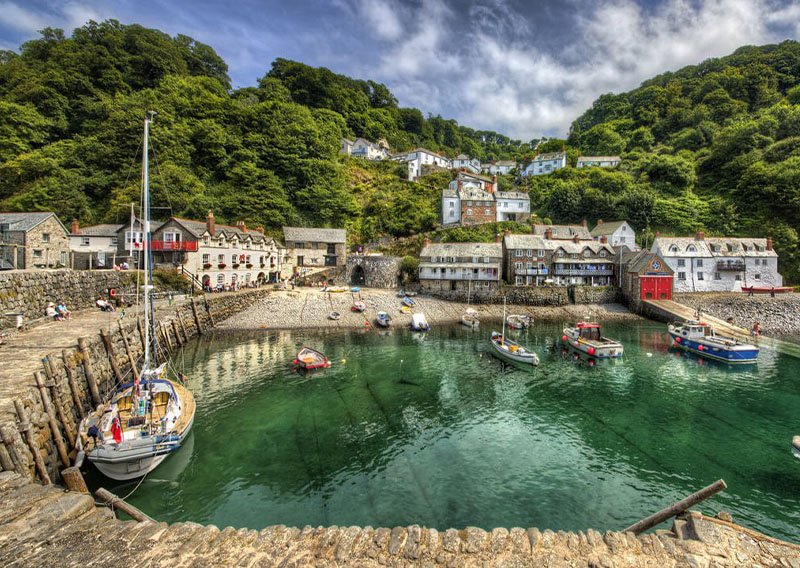
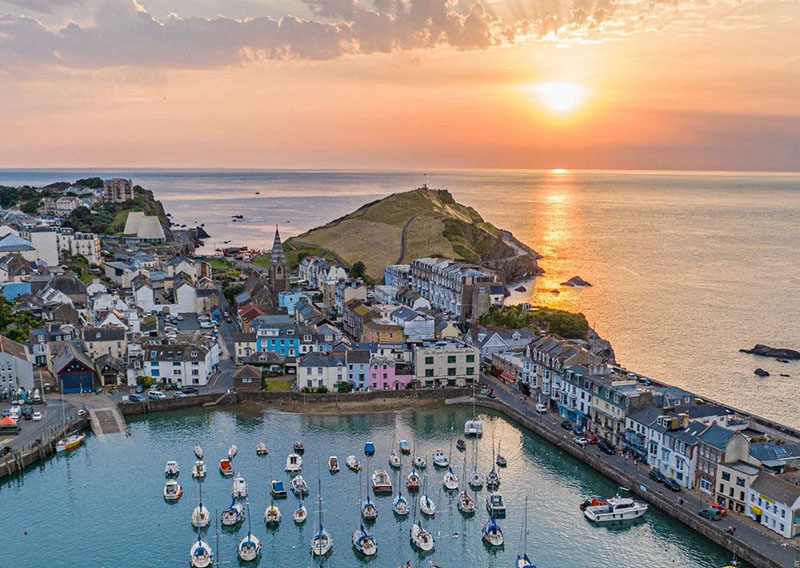
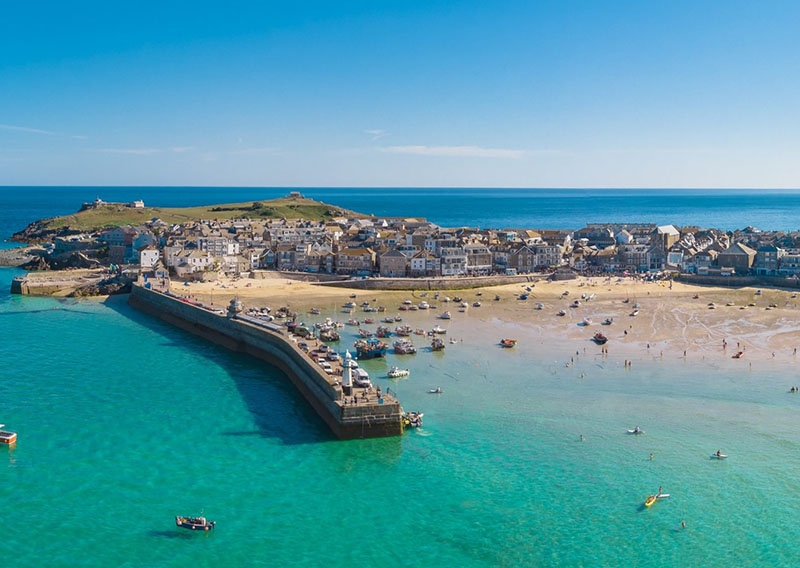
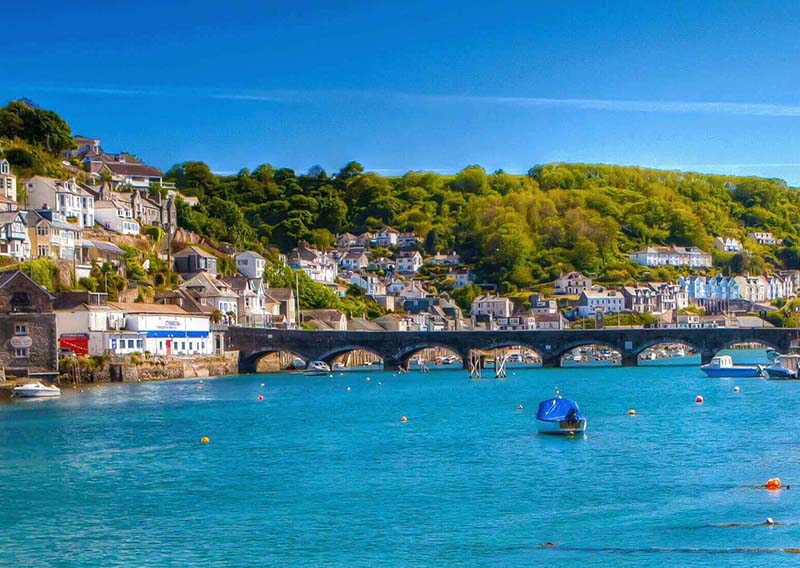
Caerporth’s railway history began long before the arrival of a conventional public railway. By the middle of the nineteenth century the town had become the principal outlet for a rich agricultural hinterland, with sugar cane, livestock and other produce moving towards its harbour. The difficulty was not a lack of trade, but the cost and delay of moving bulky goods over poor roads and through an increasingly congested port.


The earliest railways were therefore practical estate and industrial systems. They were built to move crops and supplies rather than passengers, and they grew in fragments according to the needs of individual landowners and businesses. Taken together, these small lines created the first railway landscape around Caerporth and established routes that later companies could enlarge, connect and rebuild. 

More info coming soon... 
1. Porthdun History

The oldest settlement on Glynoch, founded in the early medieval […] ...

2. Erynporth History

Once a humble fishing village, it became the heart of […] ...

3. Llanchala History

The largest town on the islands. The geographic and administrative […] ...

4. Rowenport History

A small coastal village on southern Glynoch, long famed for […] ...

5. Aberfael History

A small but busy fishing town on the South West […] ...

6. Dunfael History

Grew wealthy as an Atlantic whaling station, but turned inland […] ...

7. Port Gwyn History

Once a remote fishing hamlet cut off by salt marshes, […] ...

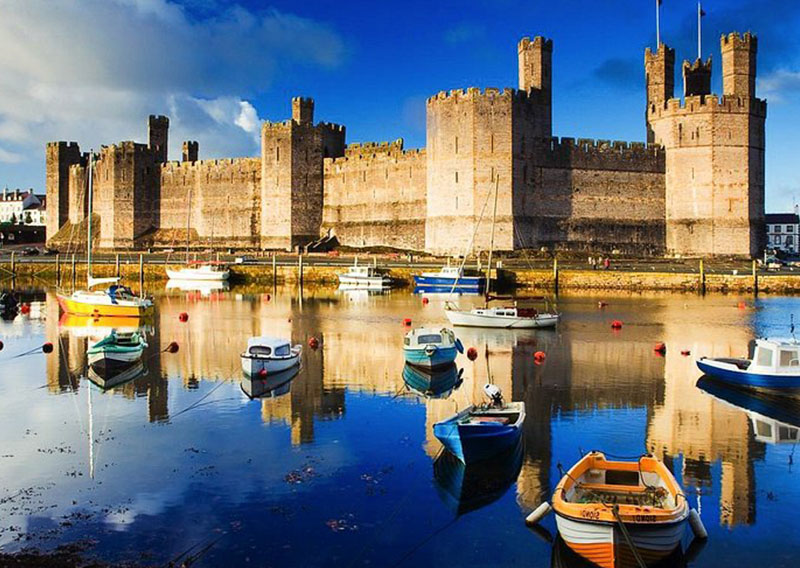
8. Caerporth History

Caerporth occupies a crescent-shaped bay that has served as a […] ...

9. Rhosport History

Surrounded by pastures, Rhosport is famed for its strong cheeses. […] ...

10. Glenmara History

Nestled at the end of a wide fertile valley, part […] ...

11. Porth Oir History

The ‘Golden Harbour’ and bread basket of the islands. A […] ...

12. Dun Ear History

The Eastern Fort town, guarding the sea-approach through the Rathmor […] ...

13. Dun Lar History

The western fort town of the Rathmor Channel, known for […] ...

14. Bryn Lar History

One of the earliest recorded settlements on the islands. Site […] ...

15. Llyngor History

A small fishing village, grew hugely after the opening of […] ...

16. Abercain History

An estuary town famed for its oyster beds, healing waters […] ...

17. Gwynhaven History

A historic fishing village with strong Celtic traditions. HMP Rathmor […] ...

18. Porthelan History

Sitting at the heart of Rathmor’s fertile southern farmlands, it […] ...

19. Falachor History

A remote southern town known for sheep herding and lobster […] ...

20. Falachfaen History

A slate-quarry town clinging to the southern slopes of Rathmor. […] ...

21. Talporth History

The original ‘Capital of Rathmor’. A large natural harbour and […] ...

22. Yeyn Keveren History

Long associated with mining and industry, the name also carries […] ...

23. Feòrag History

An important junction in the central highlands of Rathmor. Home […] ...

24. Gorofan Falls History

Up in the central highlands is the industrial heart of […] ...

25. Cernawen History

The highest peak on all the islands. Once a sacred […] ...

Explore More Railways of Glynoch and Rathmor....

1. Porthdun History

The oldest settlement on Glynoch, founded in the early medieval […] ...

2. Erynporth History

Once a humble fishing village, it became the heart of […] ...

3. Llanchala History

The largest town on the islands. The geographic and administrative […] ...

...View All Towns

History

Railways

Caerporth

Caerporth Maps

Early Railways of Caerporth

Various independent industrial tramways
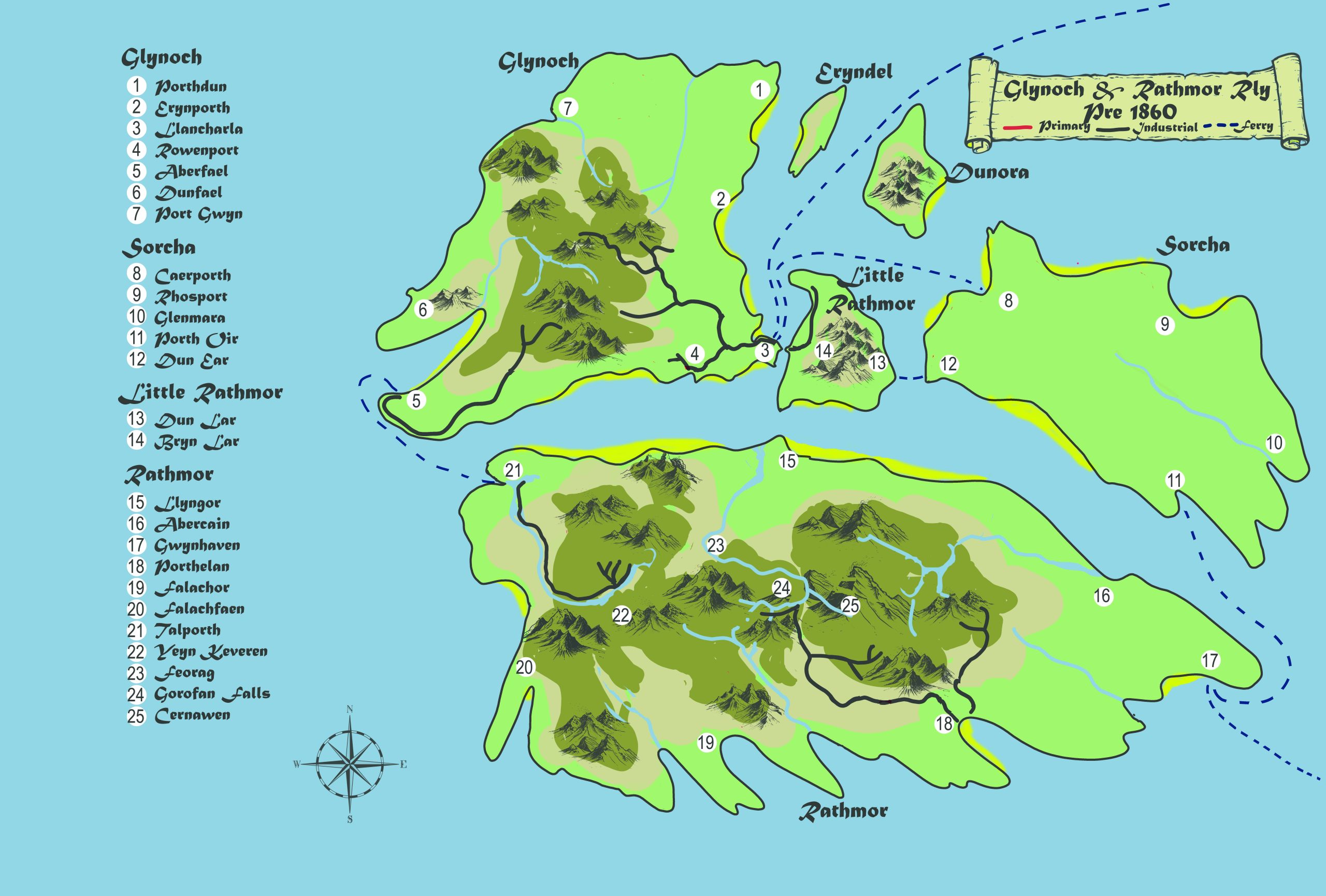
Island Railways PRE 1880

First passenger services and inter-town trade..
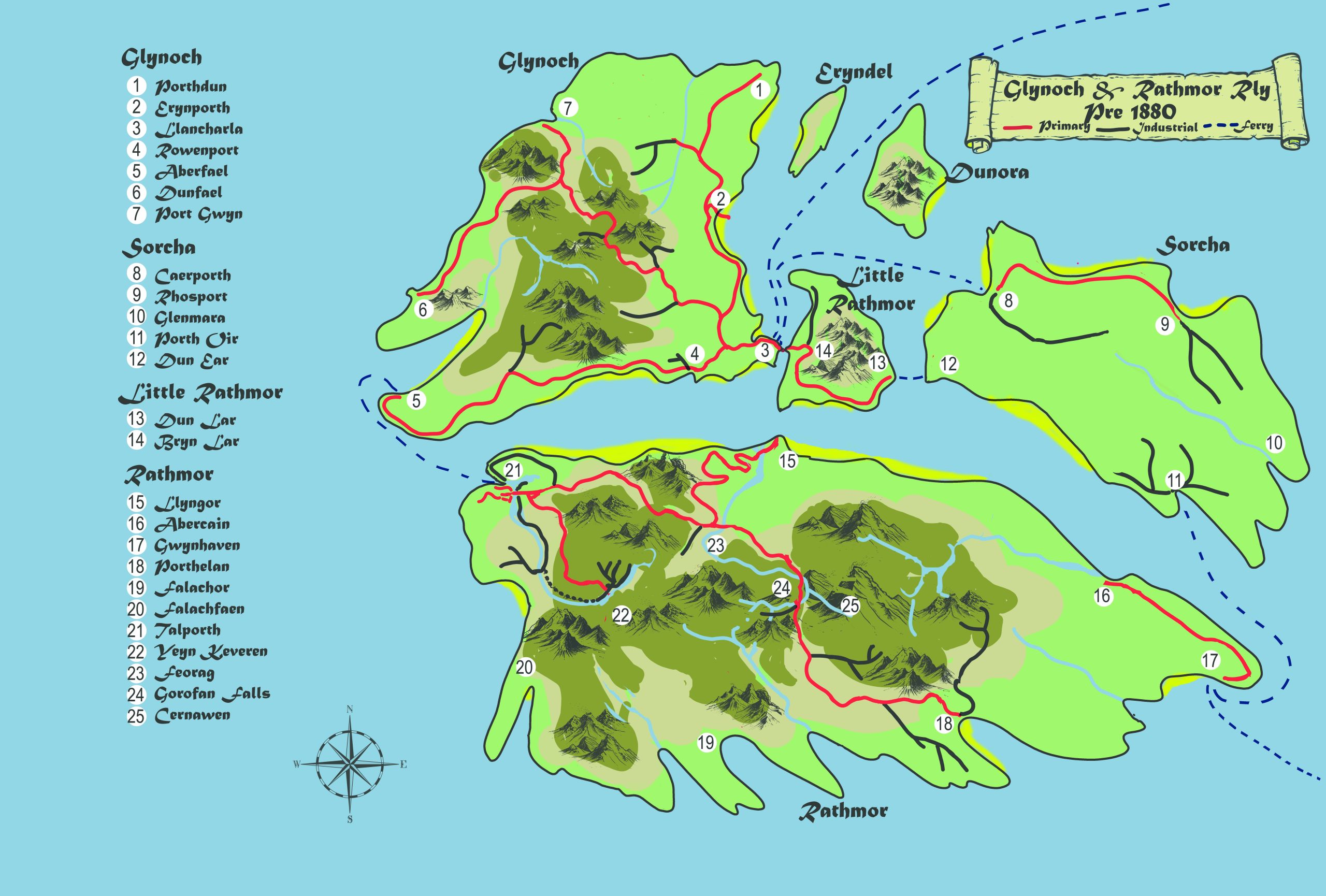
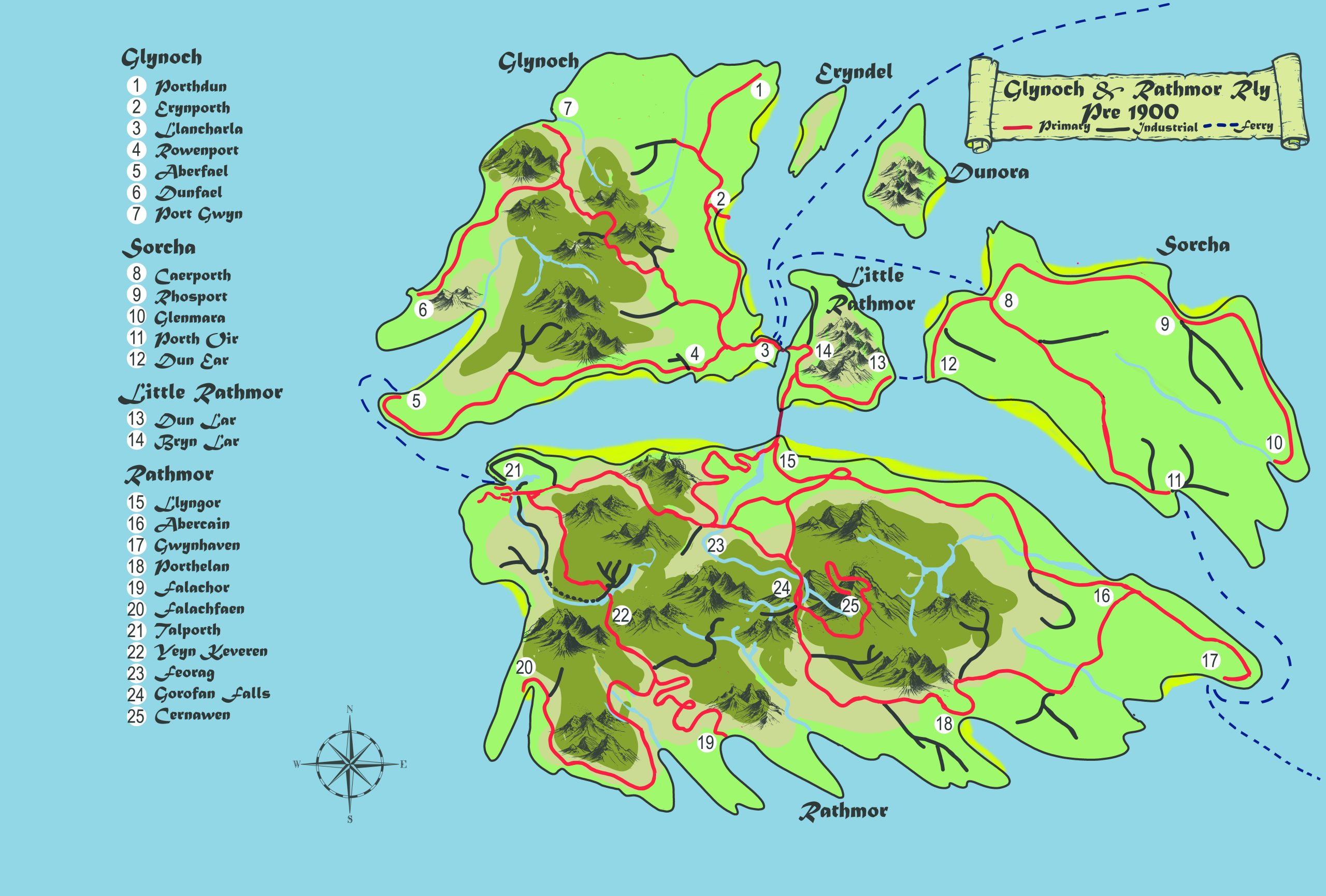
Island Railways PRE 1900

Interconnected network and bridges between islands.
Island Railways 1960

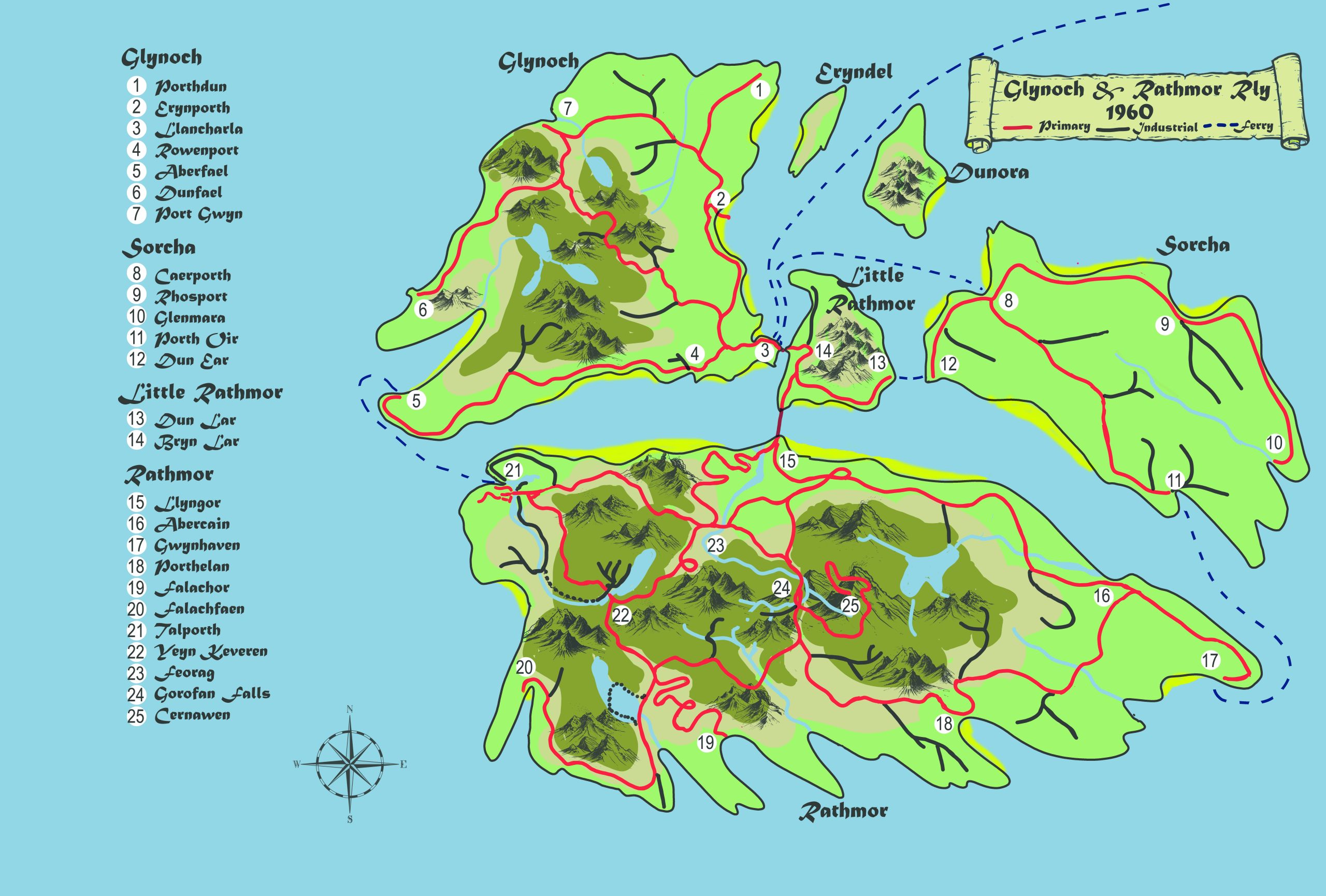
Newer routes at north Glynoch and south/central Rathmor, mainly for MOD and Reservoir traffic.