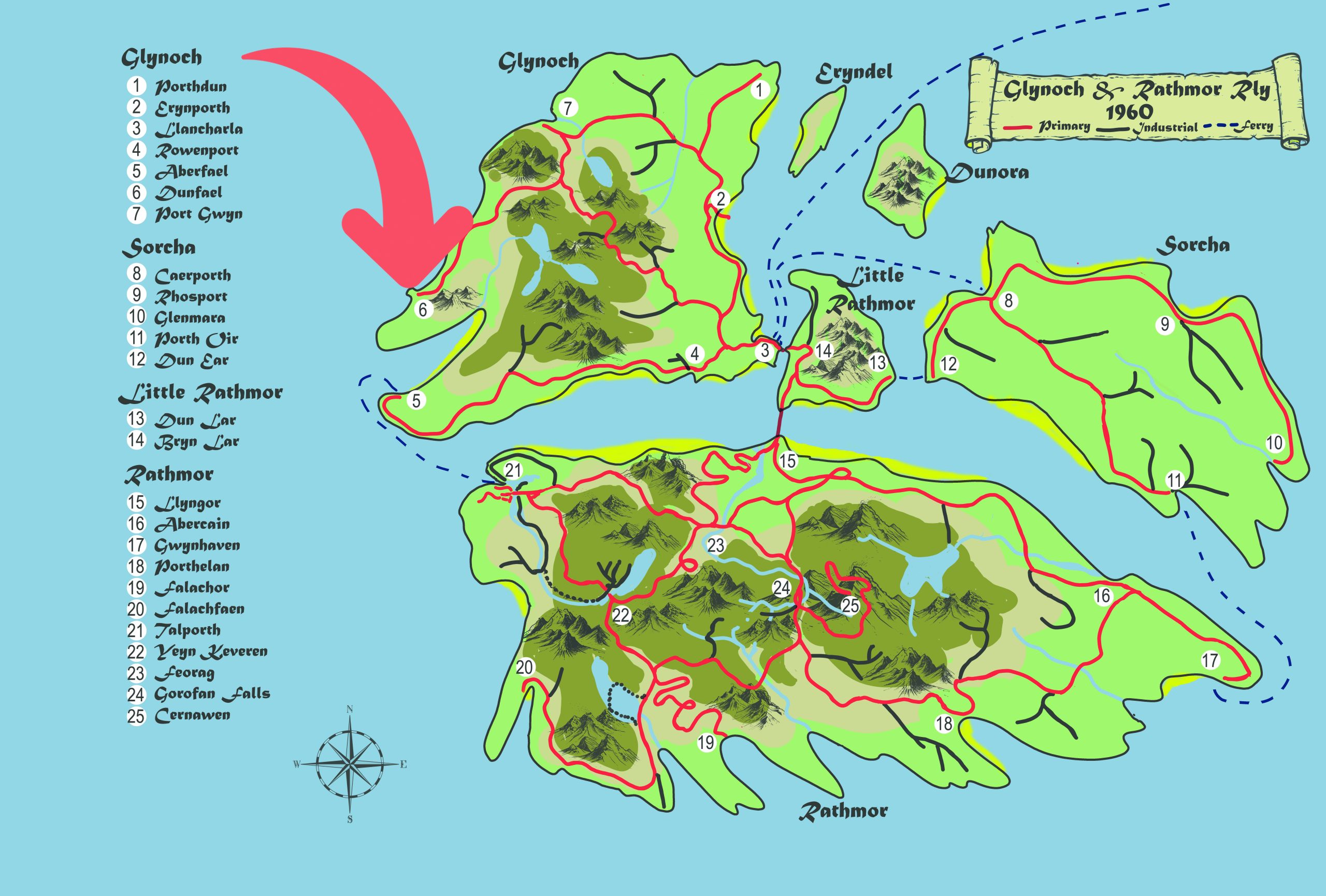



6. Dunfael History
Grew wealthy as an Atlantic whaling station, but turned inland after finding large mineral deposits. Now the heart of Glynochs hydro electric network.
History
Towns
Dunfael
Dunfael Maps
Dunfael
Dunfael (DUN-vi-al) - From Dun, meaning "fortress", while fael is the wolf, long a symbol of strength, wilderness, and fierce independence. Together they form “The Wolf’s Fort”, a name as old as the winds that sweep Glynoch’s western cliffs.
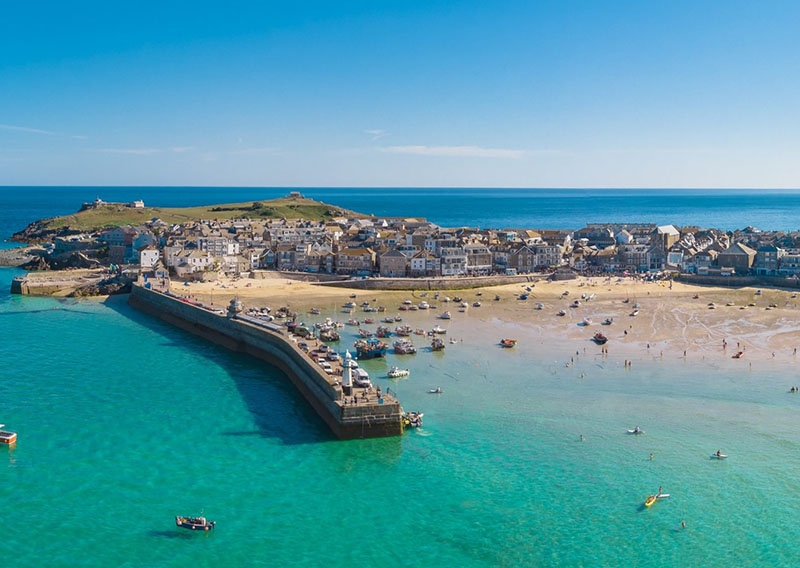
Dunfael
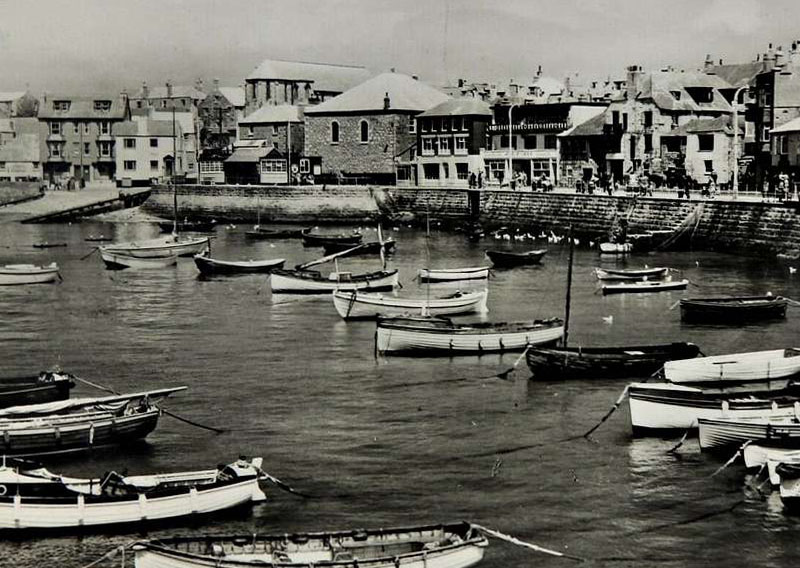
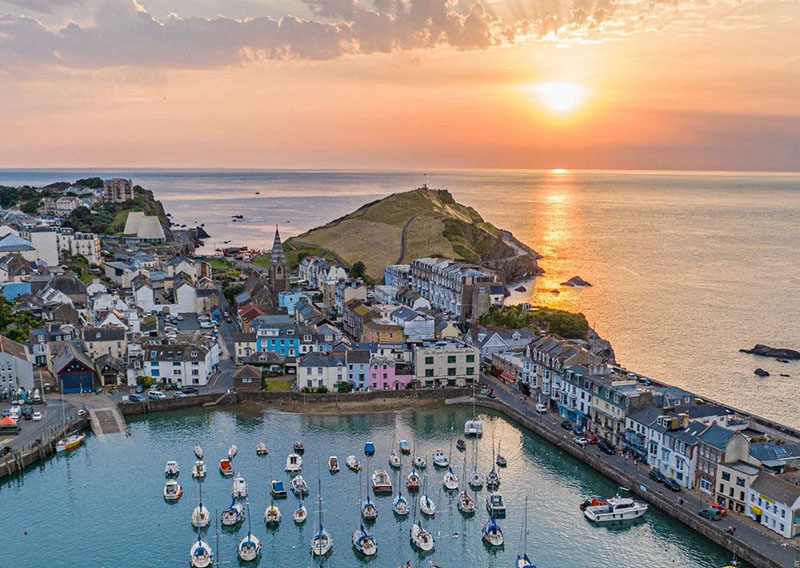
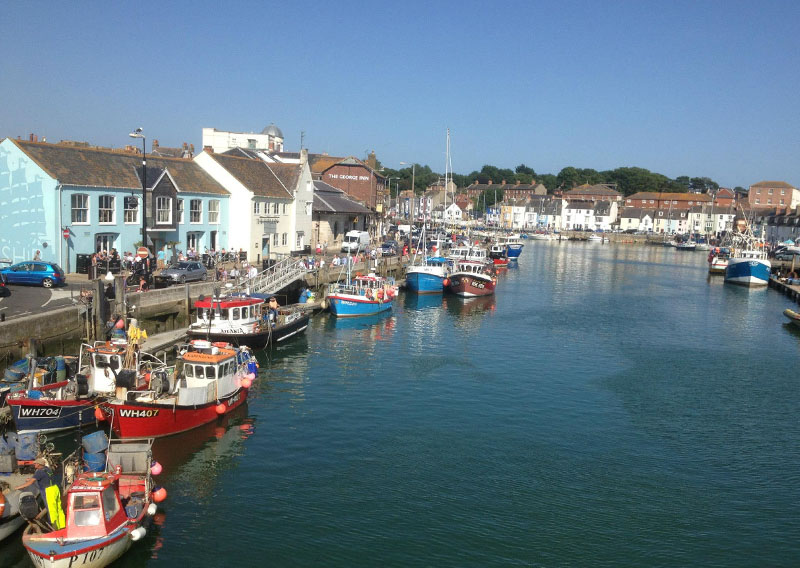
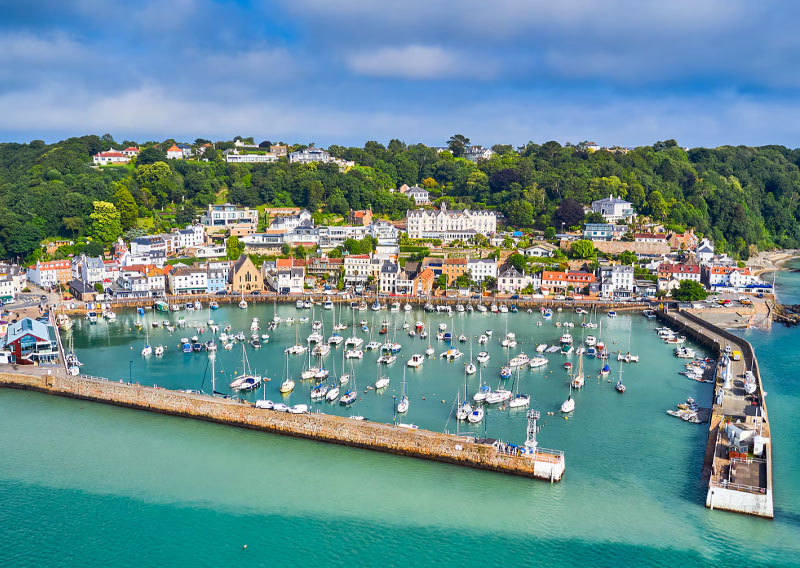
Dunfael Harbour
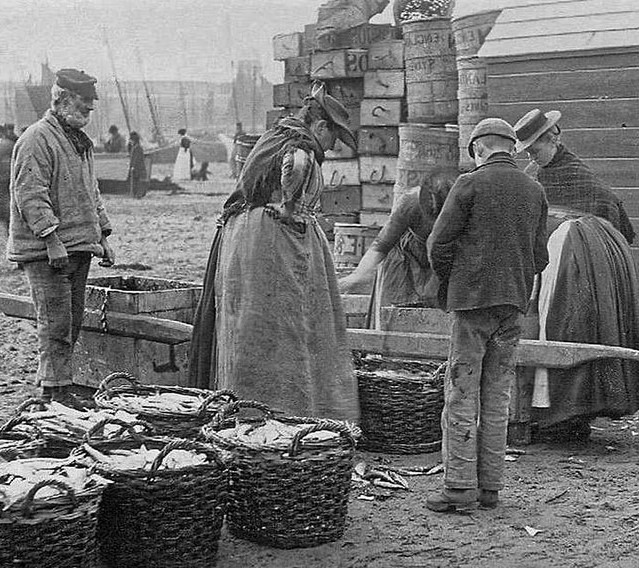
1920's fish market - Dunfael
Local tradition holds that before stone walls rose on the headland, Dunfael was the site of a great hill fort. It was said to be guarded not only by warriors, but by a pack of wolves that roamed the forests behind the town. The wolves were believed to be companions of the gods, and villagers swore that in times of siege their howls echoed through the night, striking fear into the enemy. Some stories even tell of a chieftain named Faelan—“little wolf”—who founded the first stronghold here, carving out a place of safety on the storm-lashed coast.
As centuries passed, the wolves themselves faded from the land, yet their spirit lingered. Sailors once prayed to the “Wolf of Dunfael” for protection before venturing onto the Atlantic swells. Miners later took up the emblem of the wolf, painting it on helmets and stamping it onto tools, claiming it gave them courage in the dark of the iron seams. Today, the town’s coat of arms bears a silver wolf rampant against the walls of a fortress, a reminder that its people see themselves as heirs to that untamed guardian.
Even the roar of the modern hydro dams is likened to a wolf’s howl, echoing down the valleys as a voice of power. In Dunfael, the wolf has never truly left; it survives in stone, in story, and in the hearts of its people.
Dunfael’s story is one of reinvention. Its earliest wealth came from the Atlantic whaling industry, with hardy ships and their crews setting out from its windswept harbour in pursuit of whales whose oil lit lamps and greased the wheels of industry across the Isles. The town prospered during the height of whaling in the 18th and early 19th centuries, with barrel yards, cooperages, and blubber boiling houses dominating its waterfront.
But as whale stocks declined and international markets shifted, Dunfael looked inland for its future. The discovery of large deposits of iron ore in the surrounding hills transformed the town. Mines and smelters rose rapidly, bringing an influx of workers and wealth. Dunfael’s position on the western edge of the Glynoch Highlands meant that it perfect access to the iron ore deposits, supplying both raw ore and finished iron products to the wider archipelago.
In the 20th century, the focus shifted yet again with the rise of hydroelectric power. The fast-flowing rivers of Glynoch’s rugged uplands were dammed and harnessed, turning Dunfael into the heart of Glynoch’s hydroelectric network. The town’s fortunes, once tied to oil of the sea and later to the ore of the earth, now rest upon the energy of water. It can with some legitimacy stake a claim that for over three centuries, Dunfael has been resposible for keeping the lights on across Rathmor, first with whale oil, now with electricity. Dunfael is often cited as a symbol of Glynoch’s resilience and adaptability, always finding new ways to thrive in changing times.
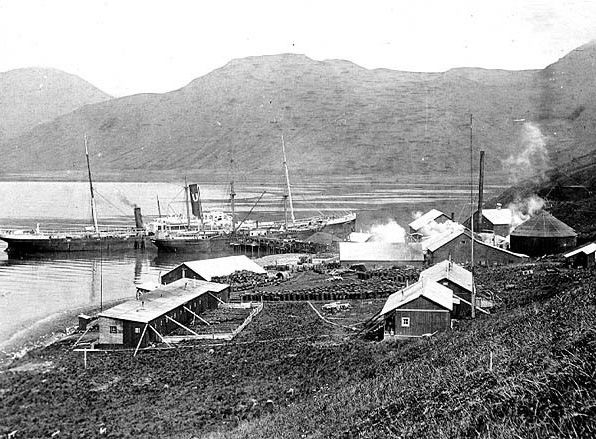
Early Dunfael Whaling Station
Whaling on the Caerwyn Isles
Whaling was a grim but vital industry. From the 17th through the 19th centuries, hardy crews set out from towns like Dunfael and Talporth, hunting whales in the Atlantic. Whale oil lit streetlamps in all the towns on the islands, greased machinery, and served as a valuable export. Folklore tells of the “White Whale of the West,” a mighty beast said to have sunk three ships and to haunt the seas still.
Whaling shaped whole communities, with shipyards at Dun Ear building fast, strong vessels and processing sheds rendering blubber into oil. Yet by the mid-20th century, the industry declined: petroleum replaced whale oil, and growing conservation movements called for an end to the hunts. The last whaling voyages ended decades ago, leaving behind memories, weathered harpoons, and the ballads of whalers sung in taverns. Today, the whales are no longer hunted but celebrated, with eco-tours bringing visitors to glimpse the very creatures once pursued.
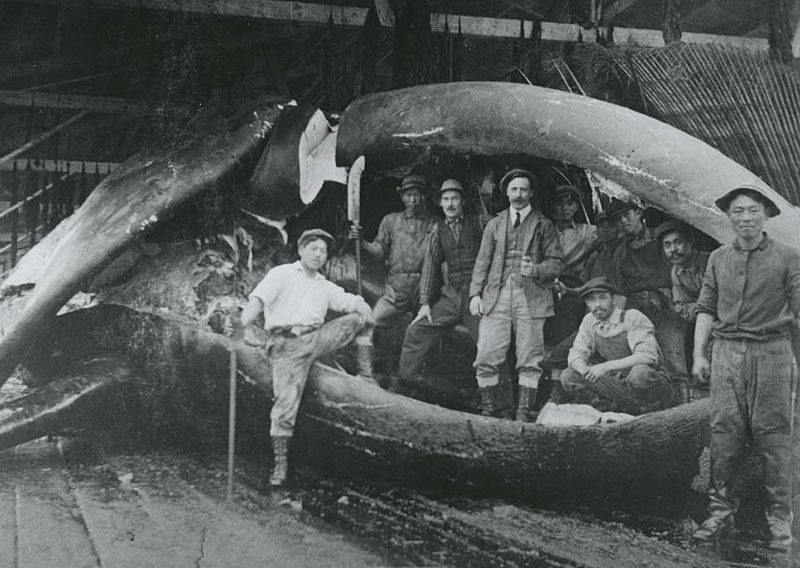
Dunfael Whalers c1900
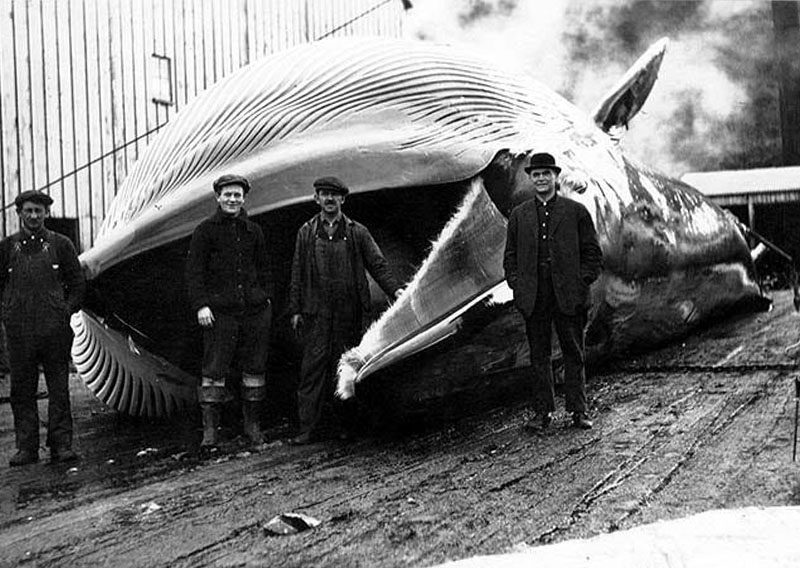
Dunfael Whaling Station (date unknown)
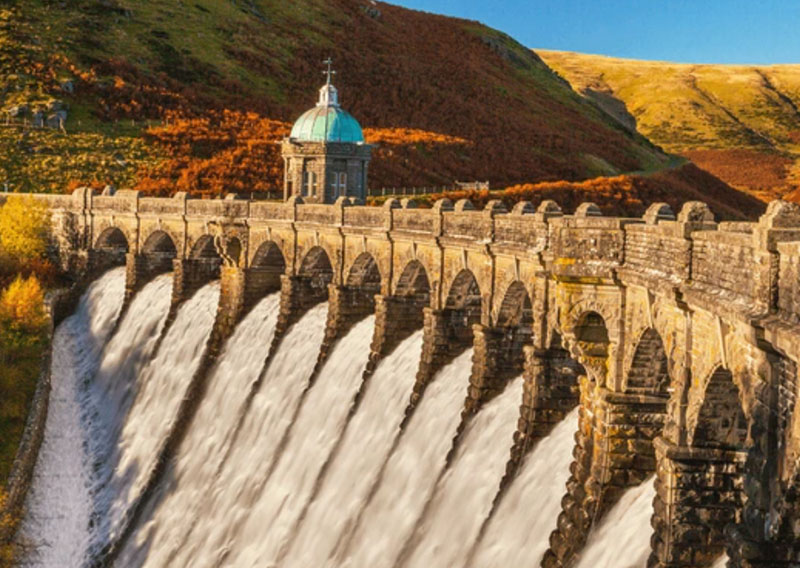
Fael Dam
Island Hydro Power
As the 19th century gave way to the 20th, the Islands faced a modern challenge: how to supply their growing populations with both reliable electricity and secure sources of fresh water. Rathmor, with its expanding industries and towns, was the first to act. Its mountains and valleys provided natural sites for dams, and engineers seized the opportunity to harness falling water for power. Between 1910 and 1935, three great dams were constructed in the western and central highlands of Rathmor. Each created vast reservoirs, providing not only hydro-electric power but also clean drinking water for thousands of islanders.
The first, Torra Sine Dam was built in a steep glen above Yeyn Keveren . It opened in 1910. Hydro turbines powered local industry and all the towns in the north of Rathmor.
The largest, The Great Cernawen Dam, rose in the heart of Rathmor’s forests in the foothills of the great Cernawen peak, its great wall of stone holding back a glittering lake. This reservoir was part funded by the farming industry on Sorcha, who were always looking for ways to guarantee supplies of freshwater. As part of the construction a gravity fed water pipe was laid under The Straights and filled an underground reservoir in the middle of Sorcha, which in turn was used to irrigate farms all across the island.
Finally, in 1935 came The Bodmin Reservoir, (named in honour of the 12th century derelict monastory now under the reservoir), in the next valley across from Falachor, serving the south with irrigation and storage. This was later used as a pump-storage facility for the nuclear plant further down the valley. The reservoir behind the dam actually cut off the railway to Falachfaen, but thanks to some clever design (and at the insistance of the Ministry of Defence base at Falachfaen) the railway was re-routed along the new dam wall, which actually cut the journey time to the outlying villages.
Folklore quickly attached itself to the new waters: people spoke of drowned villages beneath the depths and water spirits angered by the damming of rivers. Festivals marking the reservoirs’ completion blended awe at modern engineering with age-old respect for the forces of nature.
On the island of Glynoch, reclamation of the northern marshes had already shown how human ambition could reshape the landscape. By 1930 Glynoch followed Rathmor’s lead with the construction of the Port Gwyn Reservoir, fed by upland streams. It served a dual purpose: hydroelectric turbines powered local quarries and mills, while the reservoir secured fresh water for the growing towns of north Glynoch. Finally the grand Fael River (Wolf River) was tamed and the Fael Dam, inland from Dunfael, was completed in 1938.
Together, these dams symbolized the islands’ step into modernity. They turned rushing rivers into steady power, gave secure water to farms and homes, and showed that the Celtic Islanders could adapt ancient landscapes to the needs of a new century—without entirely losing the folklore and reverence for nature that had always defined them.
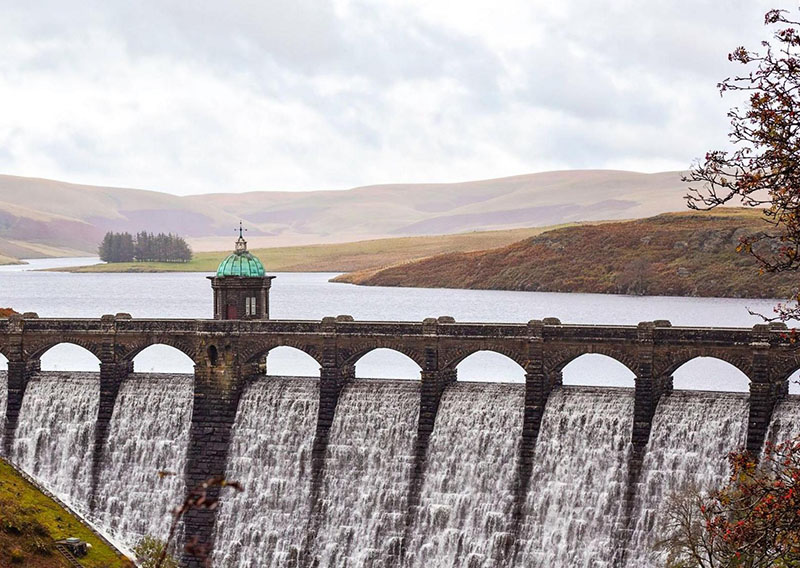
Fael Dam and Reservoir -Glynoch
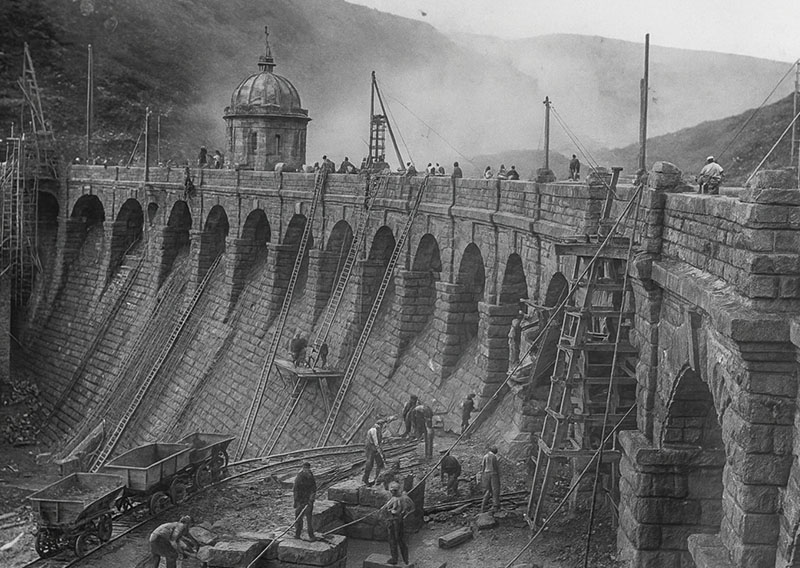
Fael Dam construction 1934
The Railway to Dunfael
The arrival of the railway was pivotal in every stage of Dunfael’s transformation. In the whaling era, the town relied on slow coastal shipping to export whale oil and other goods. When iron ore was discovered, however, this proved inadequate. The construction of the first rail link to Dunfael in the mid-19th century enabled bulk ore to be carried directly to smelters and coastal ports, revolutionising production. Trains also brought coal inland to power furnaces, making the town’s iron industry truly competitive.
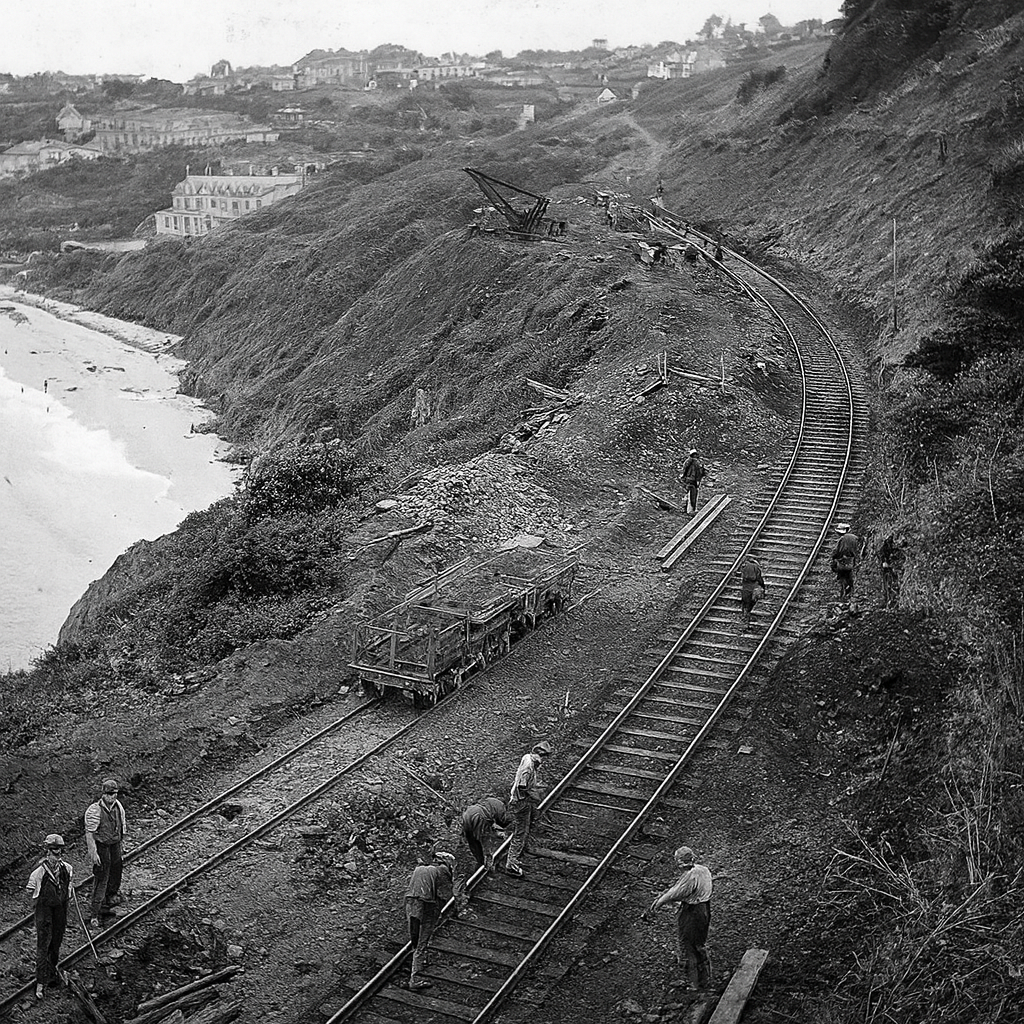
Dunfael Railway construction 1870
The line was not without challenges: steep gradients had to be negotiated, and heavy rains often caused washouts along the track. Yet once established, it gave Dunfael a direct connection to the expanding railway network of Glynoch, binding the town into the broader economy of the islands.
With the development of hydroelectric power in the early 20th century, the railway once again proved essential. Construction of the great dams and power stations required massive movements of stone, timber, and machinery— all delivered by rail. Later, the same line carried workers daily between Dunfael and outlying dam sites.
The railways also helped export hydro power indirectly, by ensuring the rapid distribution of iron, goods, and other trade that depended on this new, cheap energy source. For Dunfael, the iron horse was as vital as the iron ore itself, underpinning its shift from whaling port to industrial heartland and, finally, to the powerhouse of modern Glynoch.
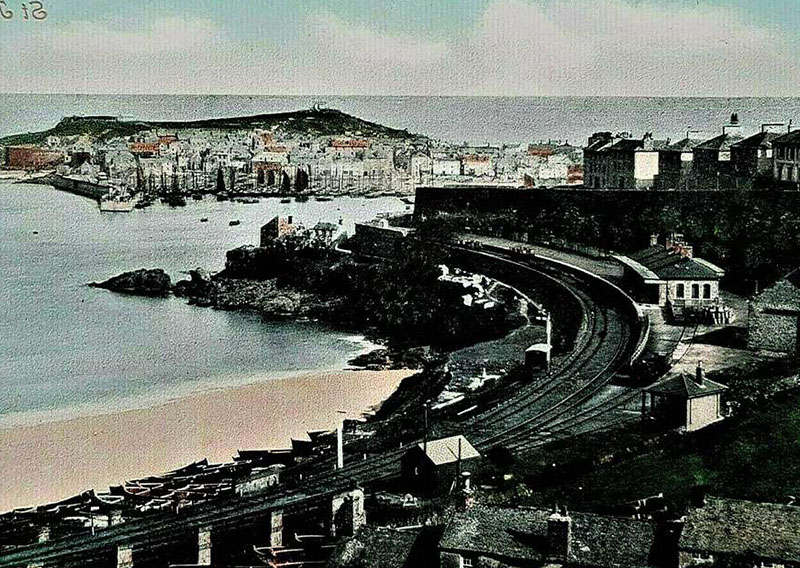
Dunfael Station c1890
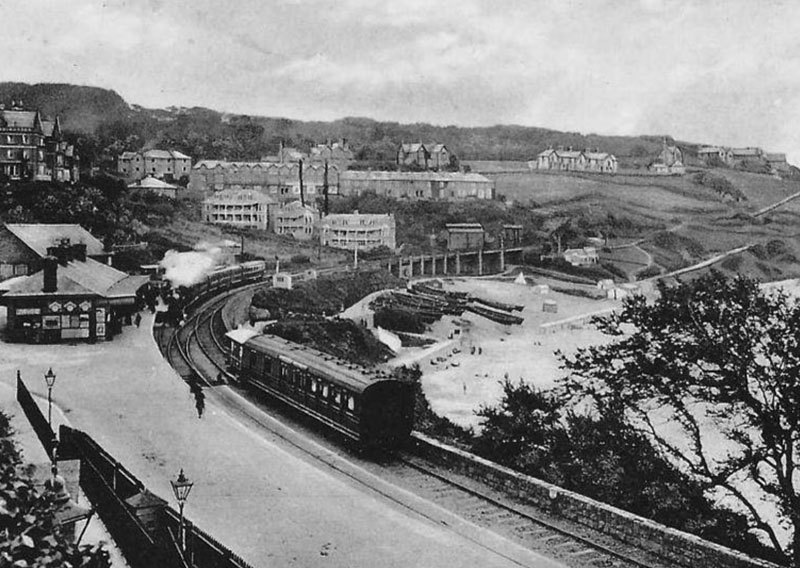
Dunfael Station looking west
History
Towns
Dunfael
Dunfael Maps
Dunfael
Located on the east coast of Glynoch