


Sheep Farming on Little Rathmor
The windswept hills of Little rathmor have never been kind to crops, but sheep have thrived there since the earliest settlements.
History
Industries

Sheep
Map
Sheep Farming on Little Rathmor
The windswept hills of Little rathmor above Bryn Lar have never been kind to crops, but sheep have thrived there since the earliest settlements. Archaeological finds suggest that flocks were kept here in the Bronze Age, their wool spun into rough cloth. In medieval times, monasteries managed vast flocks. Folklore abounds: shepherds tell of spectral dogs appearing in storms to lead lost flocks home, and every spring the people still perform the “Blessing of the Lambs,” a ritual rooted in both Christian and pagan tradition.
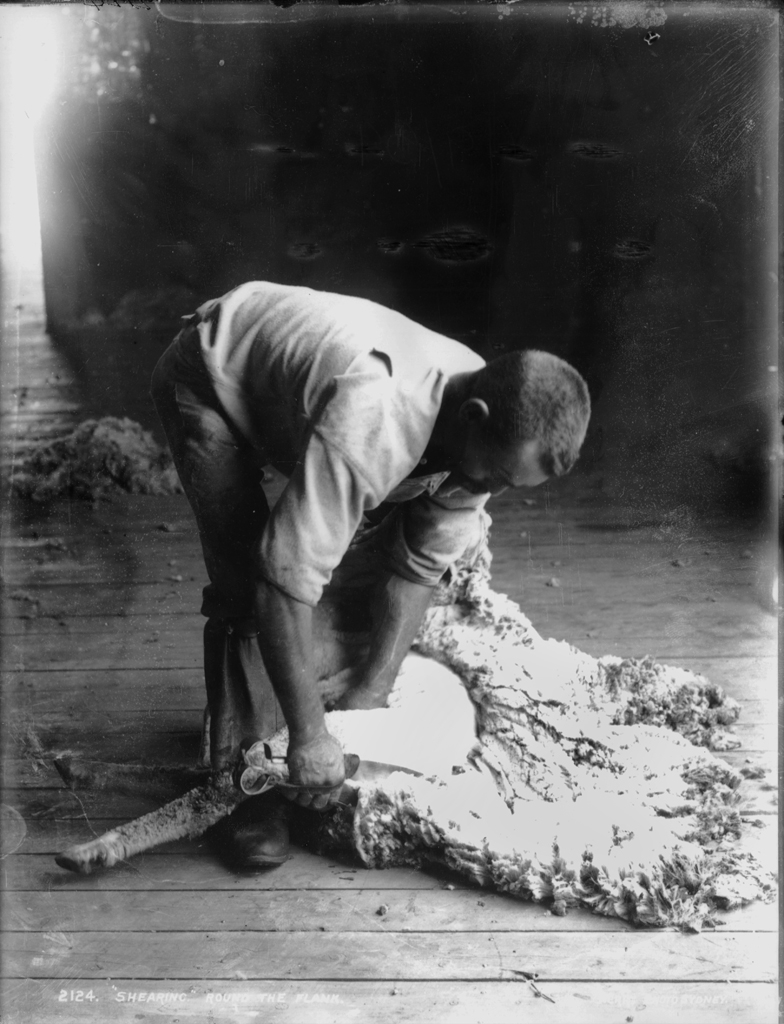
Bryn Lar Shearer c1910
Wool was a very useful currency of Little Rathmor life. Families spun it at home, selling yarn and woven cloth at market. By the 17th century, Rathmor wool was sought across the isles for its durability, used in mills to make hardwearing cloth for sailors and workers. Woolen mills grew up around the town of Dun Lar where the trade grew to become the largest employer on the island, specialising in the production of the now famous 'Rathmor Gansey' worm by fishermen all over the islands. The railway expanded this trade exponentially, allowing fleeces to reach urban markets and export opportunities within hours of shearing.
Today, sheep farming remains Little Rathmors backbone, sustaining its villages both economically and culturally. Seasonal wool fairs grew into grand events, with music, feasting, and competitive shearing contests. Fairs, festivals, and wool crafts tie each new generation to the hills, ensuring that the old traditions still live in the shadow of modernity.
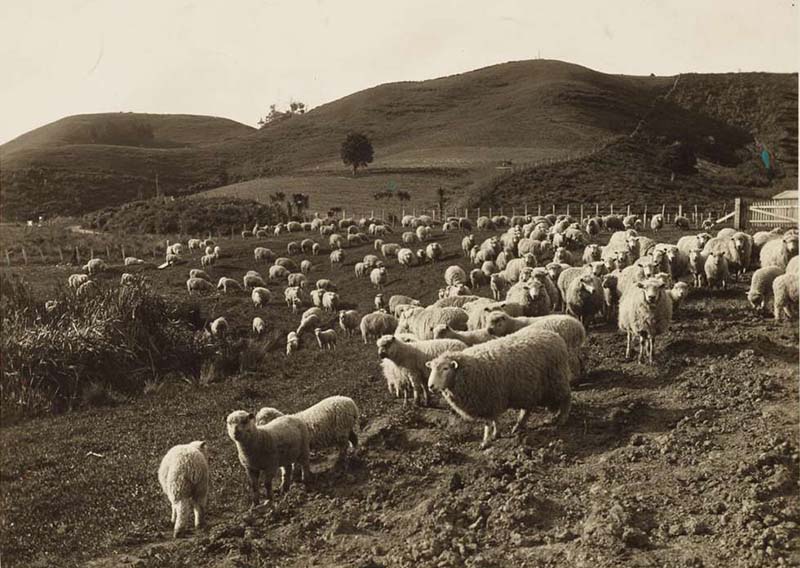
Sheep Farm,, Little Rathmor c1880
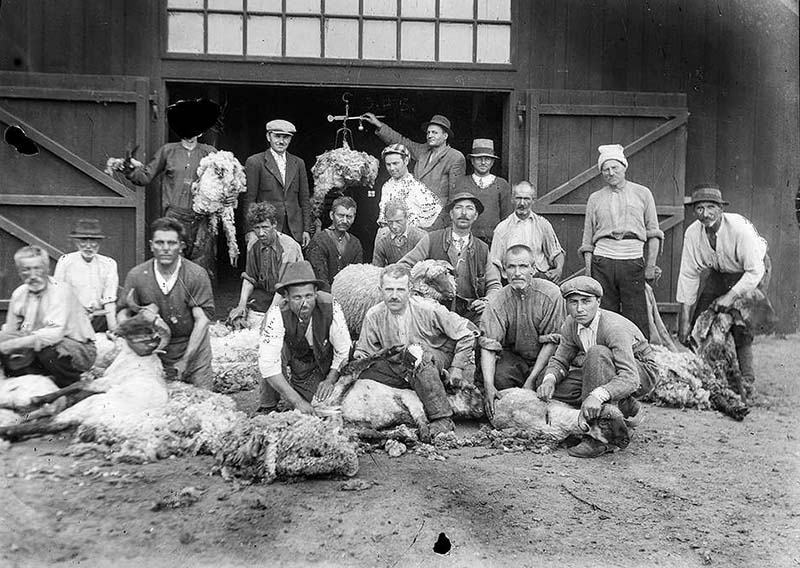
Sheep shearing, Bryn Lar c1855
History
Industries
Sheep
Map
Sheep Farming on Little Rathmor
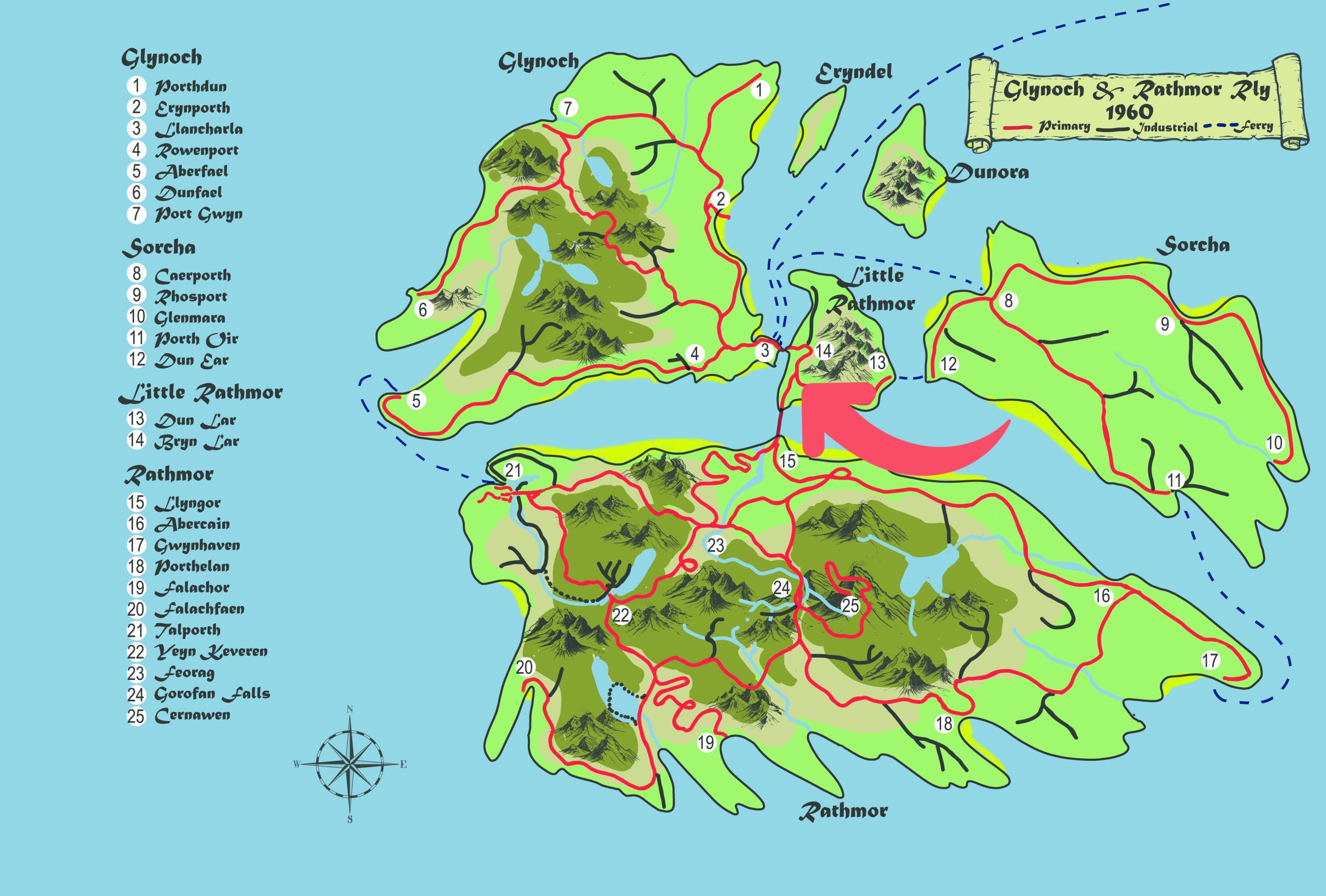
Located in the highlands Little Rathmor
More Industries....