



Cultivated for countless generations, these tidal farms are a testament to the patience, skill, and deep ancestral knowledge of the coastal families who have tended them.
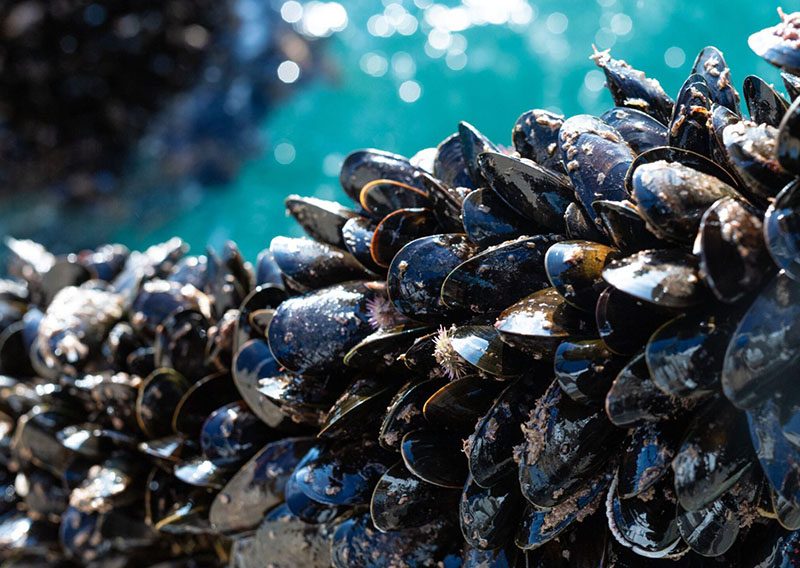
The Mussel Beds of Falachor
read more...
Cultivated for countless generations, these tidal farms are a testament to the patience, skill, and deep ancestral knowledge of the coastal families who have tended them.
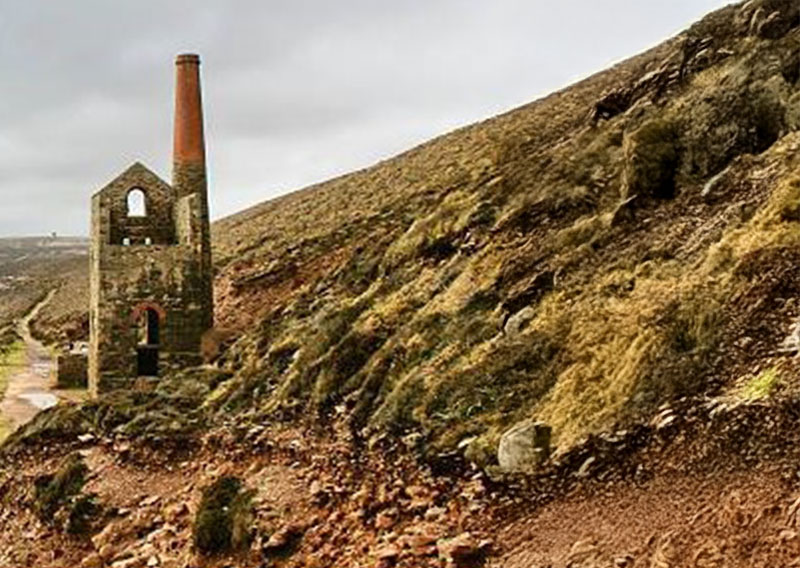
The discovery of tin, copper, and zinc deposits in the mid-19th century occurred almost by accident, when forresters were digging access tracks struck unusually heavy, metallic stone
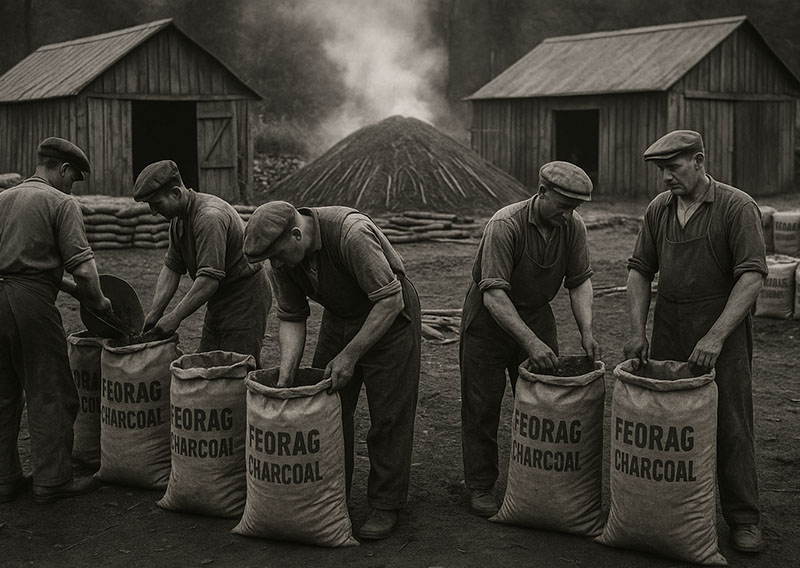
For centuries Feorag’s forest provided not only timber for building and fuel for the hearth, but also the raw material for the island’s once-thriving charcoal industry
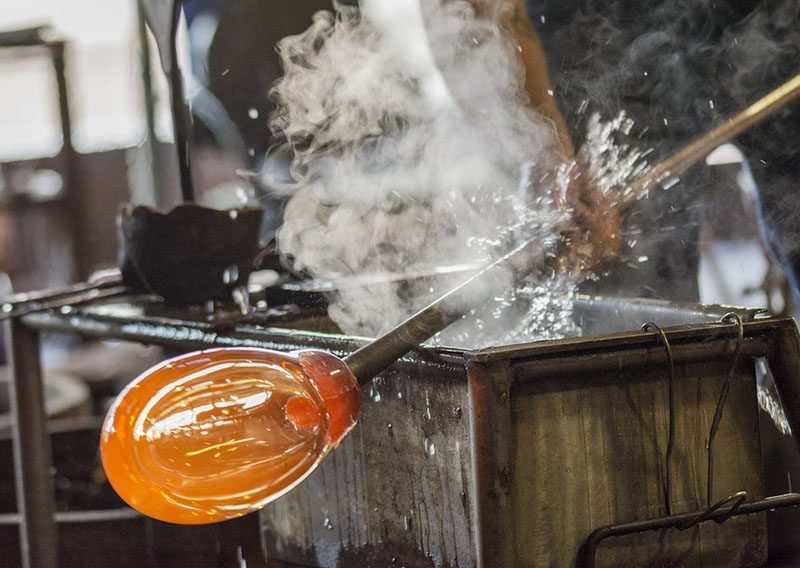
The industry owes its origins to the exceptionally pure silica sands found in the region—most notably along the coast and within the shallow channels of The Straights
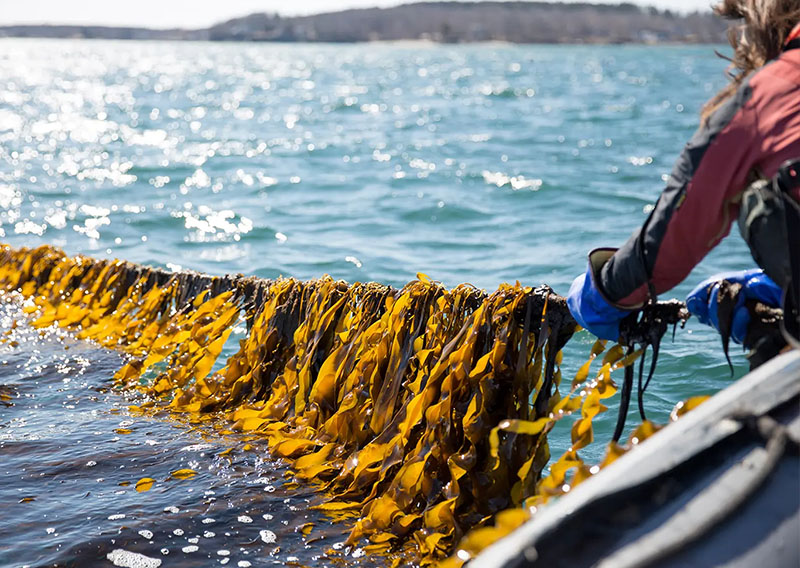
The region’s cold, nutrient-rich waters support vast natural forests of kelp, and for generations local families have carefully cultivated and harvested these underwater fields.
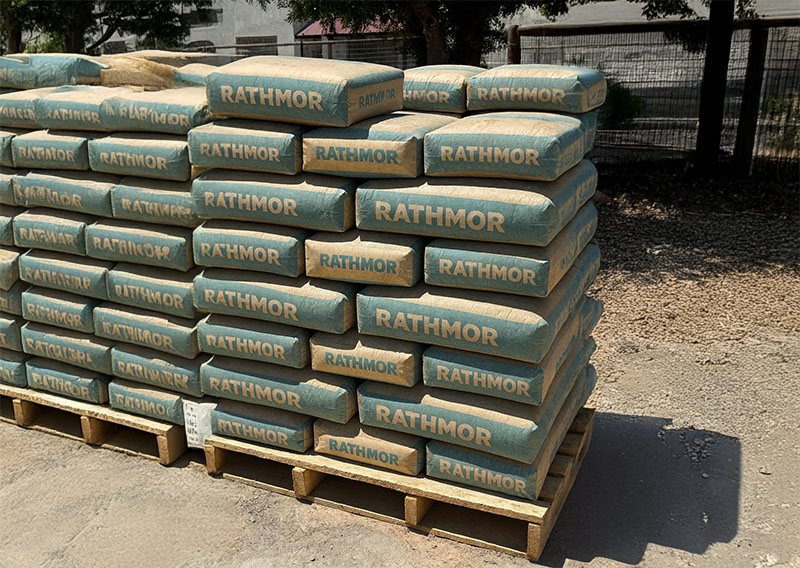
Porthelan stands as one of Rathmor’s great industrial success stories, a town whose name has become synonymous with innovation in cement production
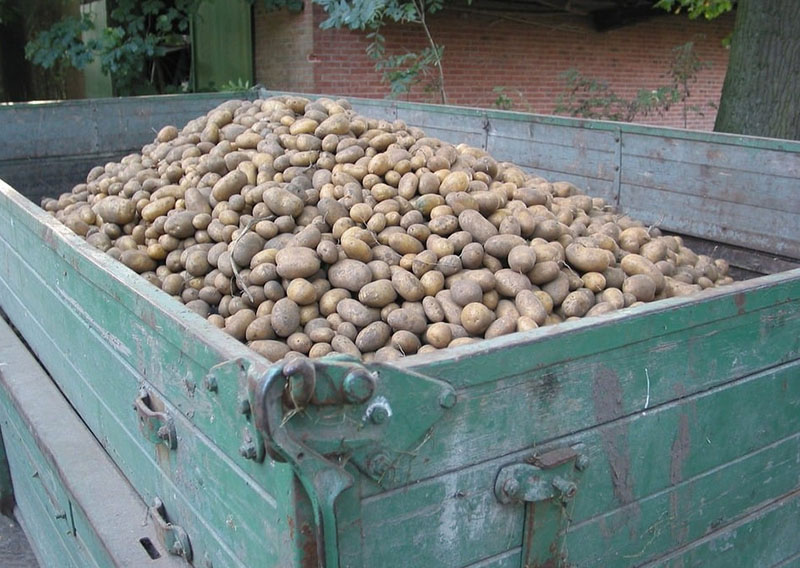
Situated in the fertile lowlands of eastern Rathmor, the town of Gwynhaven has long been celebrated as the agricultural heart of the island’s potato industry.
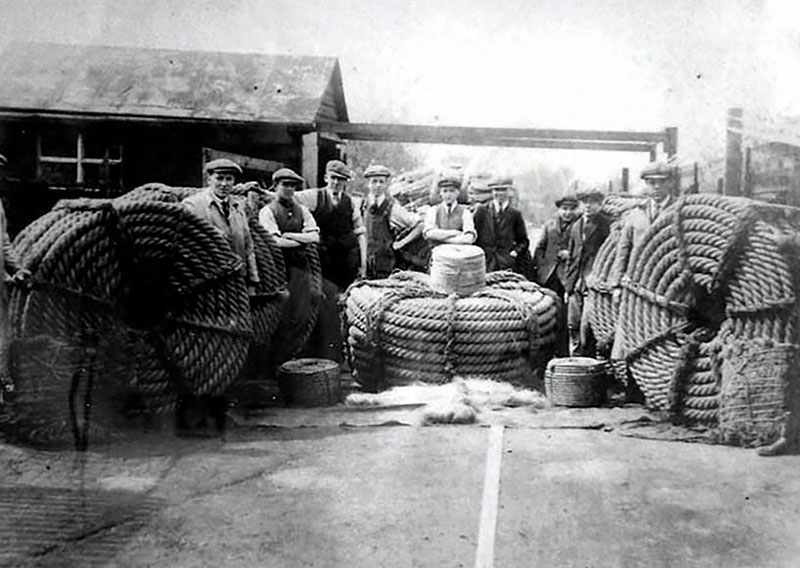
For centuries, the town’s fortunes rose and fell with the sea, and as the fishing and shipbuilding industries expanded, Dun Ear naturally evolved into the islands’ main supplier of ropes and nets.
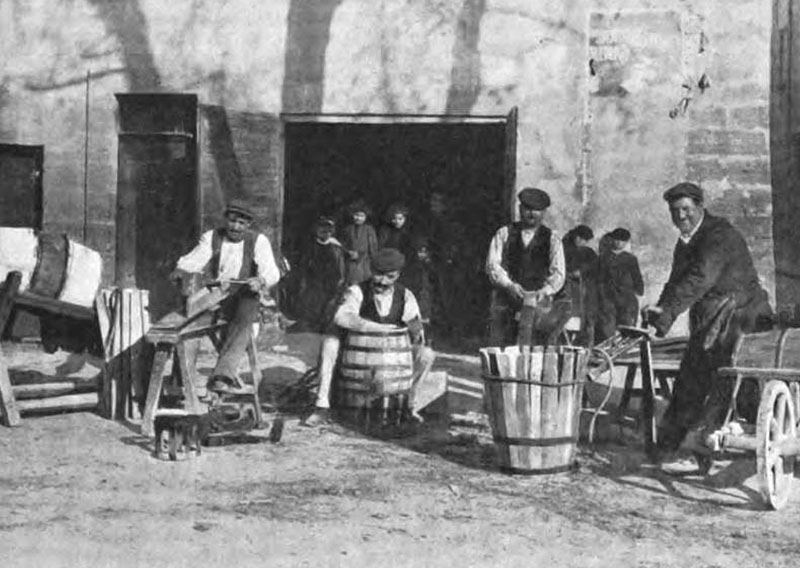
Glenmara is a hub of skilled artisans from barrel-making, sturdy farmhouse tables and hand-carved chairs to musical instruments, tool handles, cabinetry, and ornamental woodwork
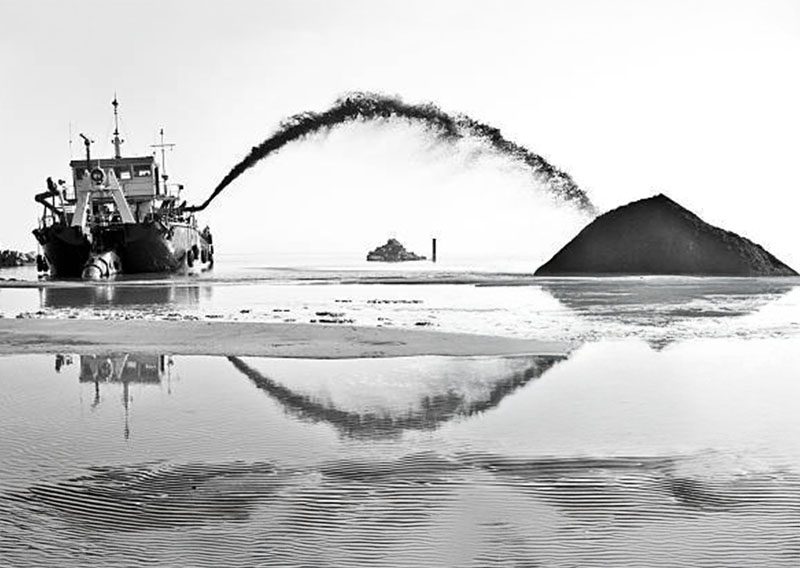
The sweeping northern coastline of Sorcha is shaped by a series of broad, sheltered bays containing vast banks of sand, gravel, and shingle.
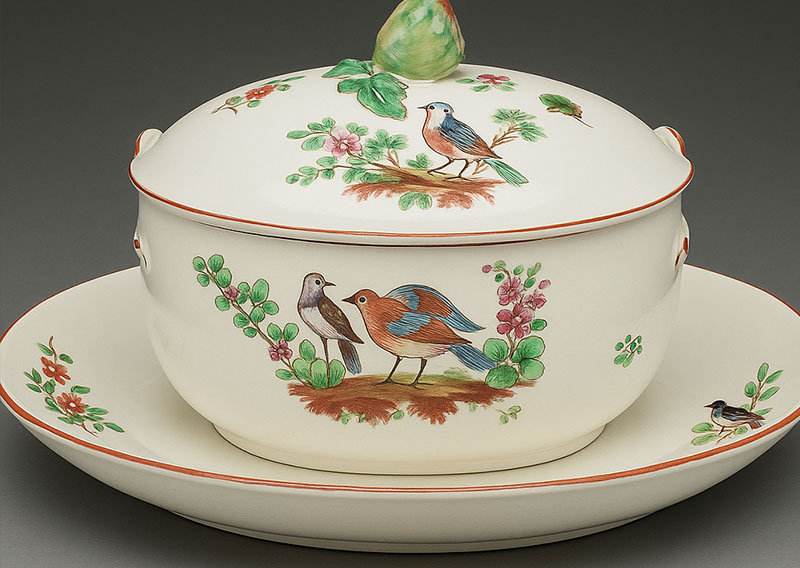
This exceptionally pure kaolin is prized for producing porcelain that is both translucent and remarkably strong, forming the backbone of the town’s artistic output.
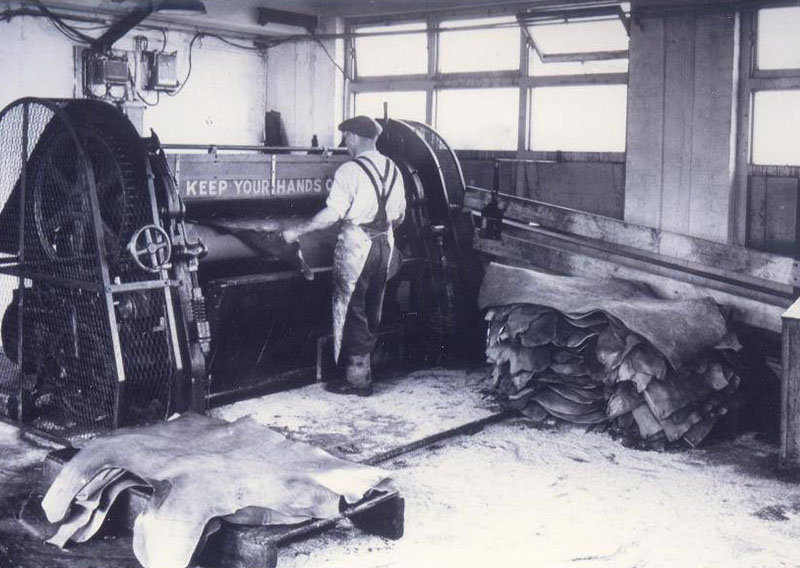
Erynporth’s workshops produce an impressive variety of leather items, catering both to practical local needs and to the interests of visiting travellers.
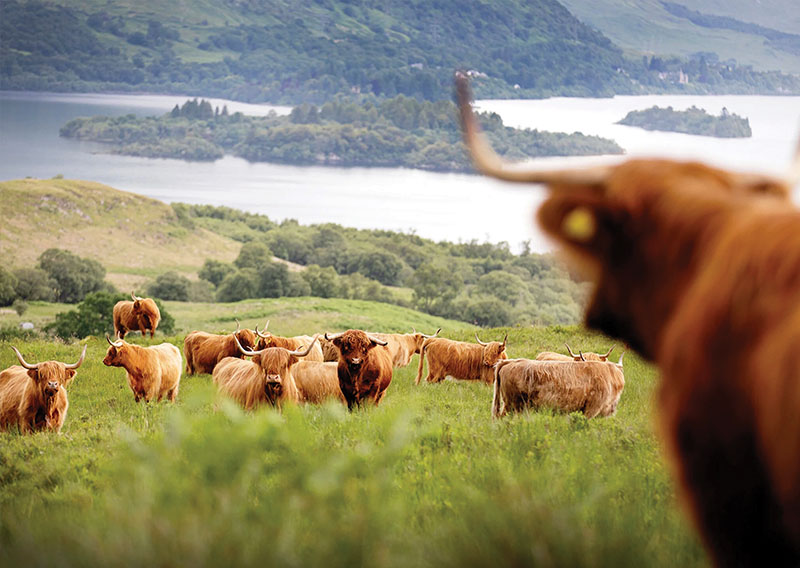
Beef farming has long been a defining feature of northern Glynoch, and nowhere is this heritage more vividly expressed than in and around the busy market town of Porth Dun
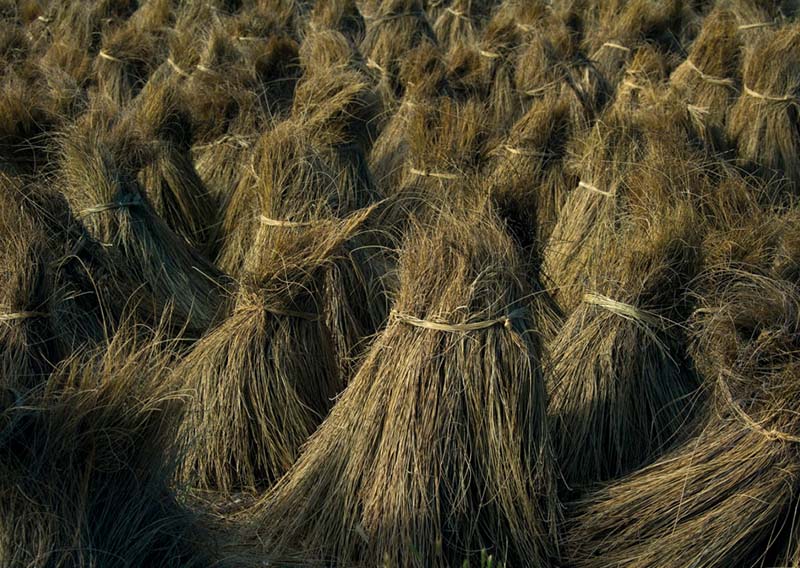
The reclaimed northern plains of Glynoch—flat, wind-brushed expanses stretching between Porthdun and Port Gwyn—are today dominated by vast fields of Esparto grass
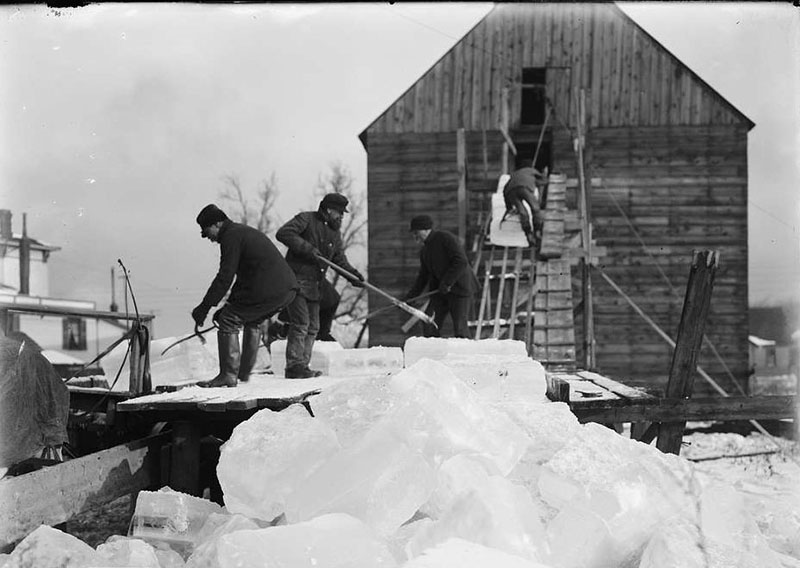
Long before the age of refrigeration, islanders developed an industry around the harvesting of ice, cutting and carting great blocks down from the mountains to be shipped across Europe.
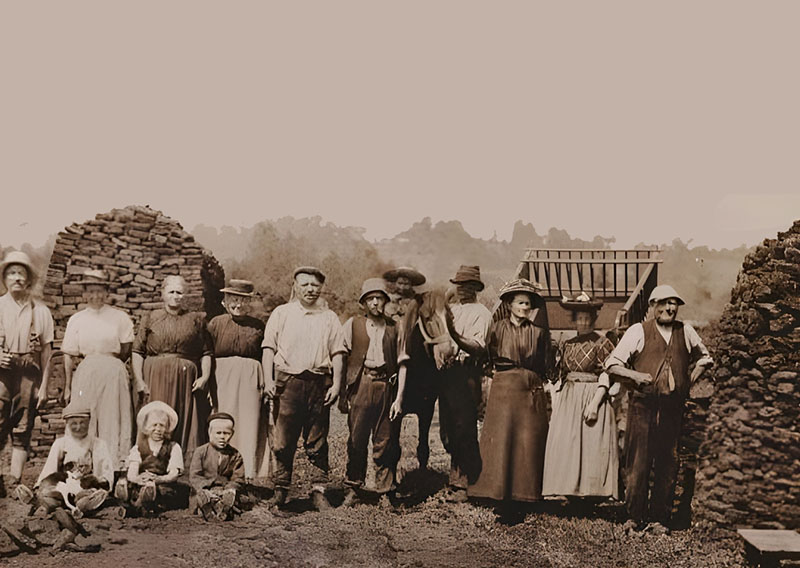
Long before coal reached the islands, peat was the essential fuel of rural life.
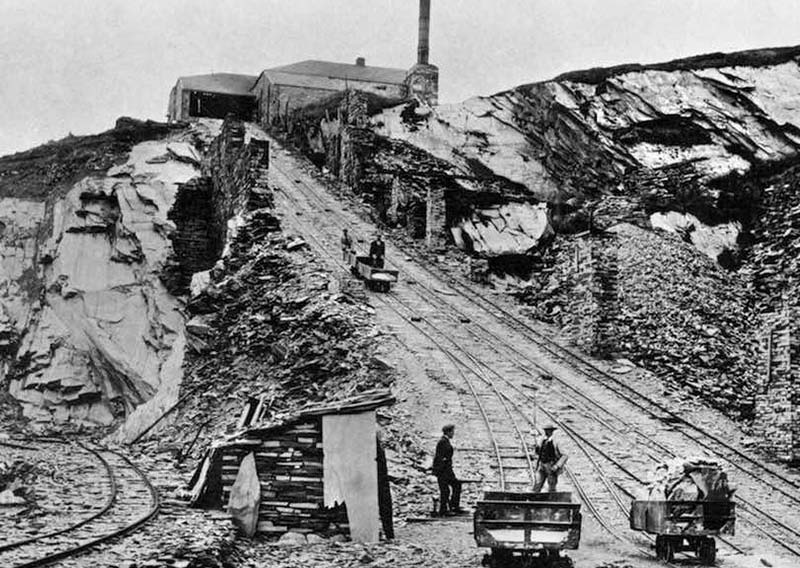
Slate was first discovered here in the early 18th century, when farmers noticed that the thin, splitting rock made excellent roofing for their cottages.
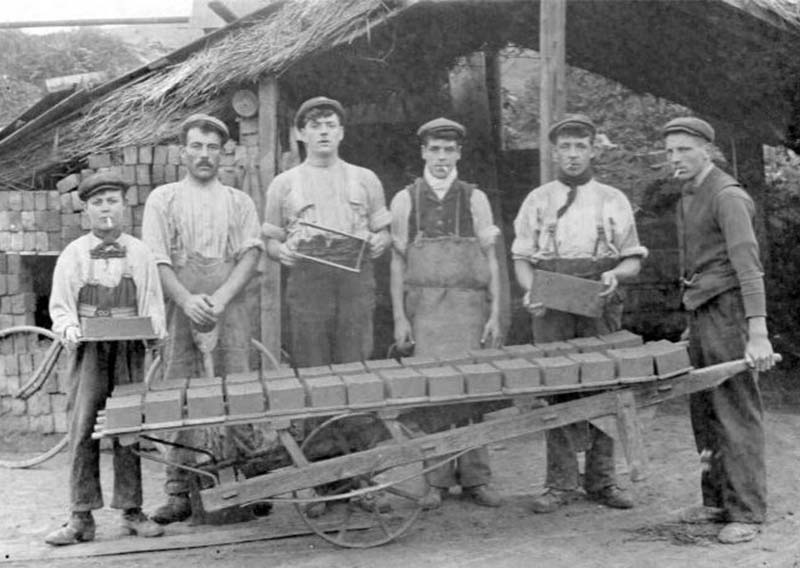
The western hills of Rathmor hold rich seams of clay, and from this resource grew one of the island’s most distinctive industries: brickmaking.

The south-western tip of Rathmor, with its secluded Falachfaen Peninsula and sparse population, was chosen as the site for a new training ground.
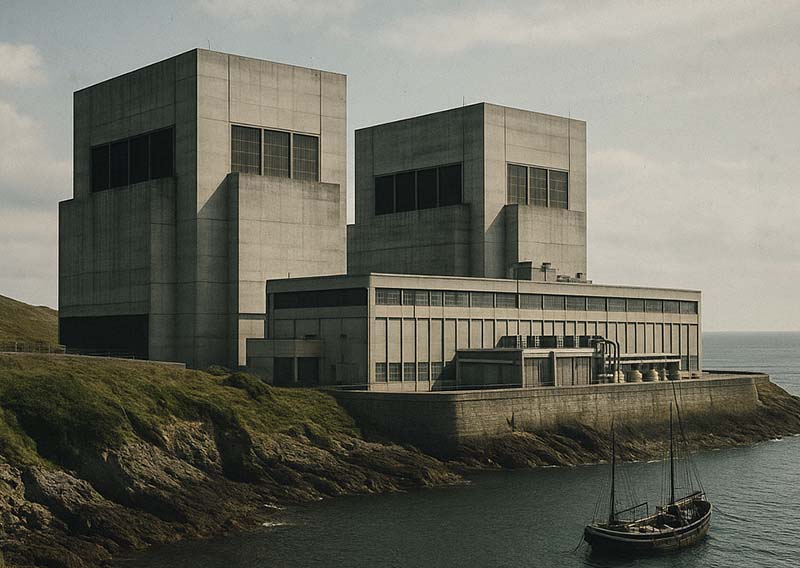
In 1954, as Britain entered the nuclear age, the government sought a remote yet secure site for a new type of power station.
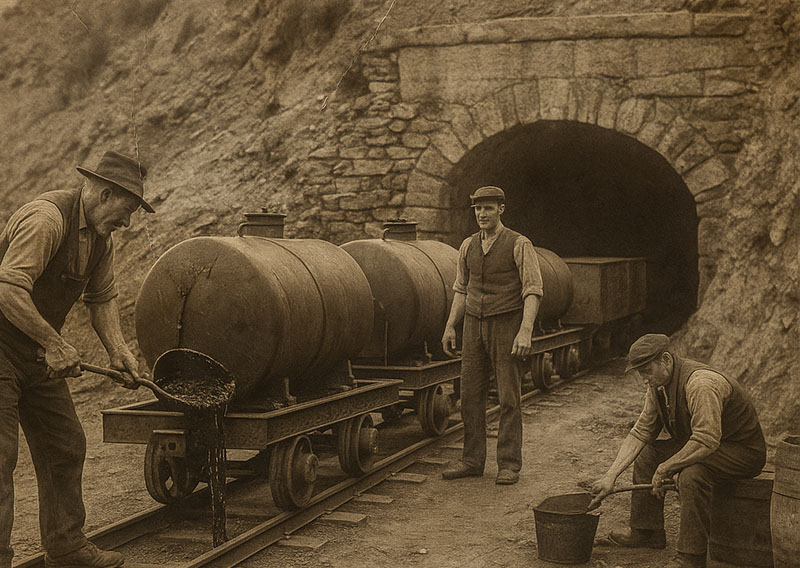
Treacle was an unusual resource found on the islands. The Molasses Mine was established in the mid 19th century after geologists discovered thick seams of molasses shale.
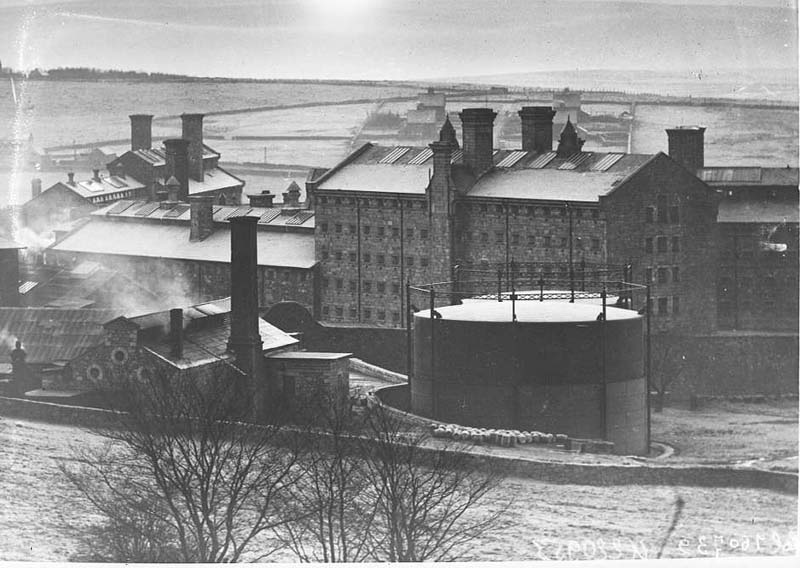
Not an industry as such, but a large employer on the islands is the prison, constructed in 1900
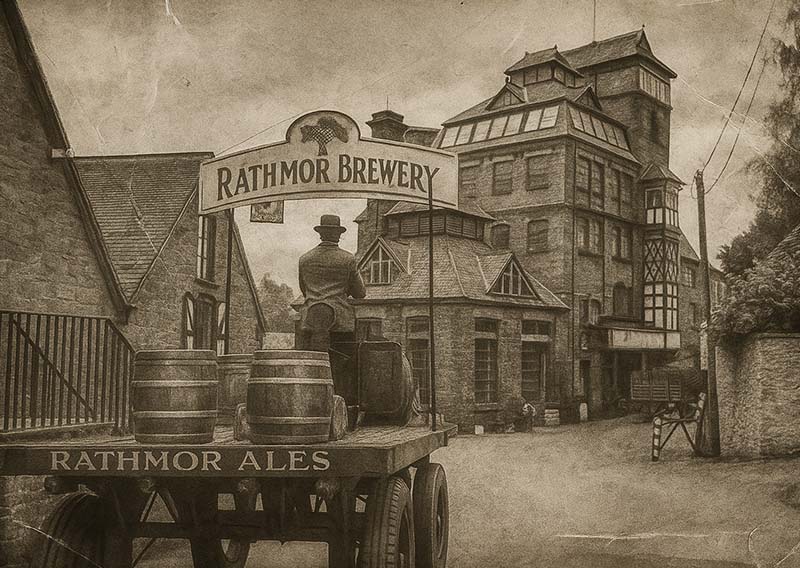
Founded in the 19th century, it began by supplying farmhands and quarrymen with hearty ales. Today its India Pale Ale (IPA) is an award-winning export
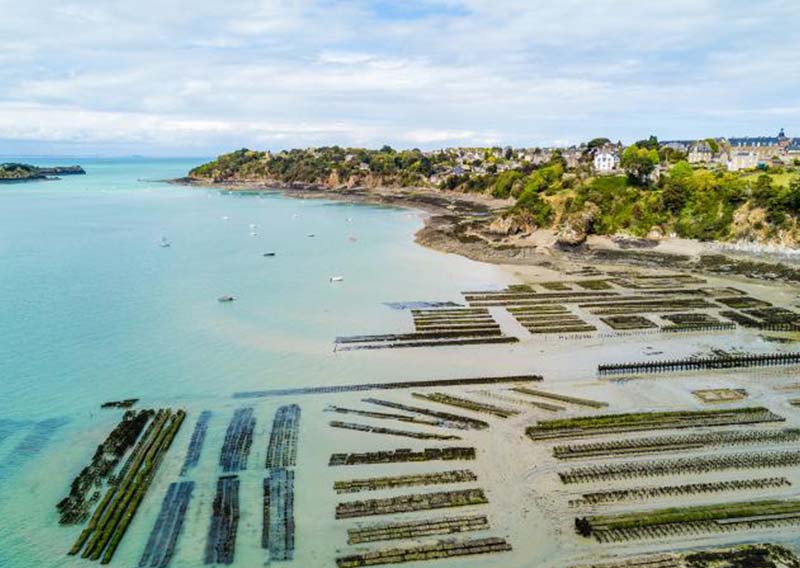
Harvested carefully from the tidal flats, oysters have been exported for centuries, once packed in barrels of seawater, now shipped on ice by rail and ferry.
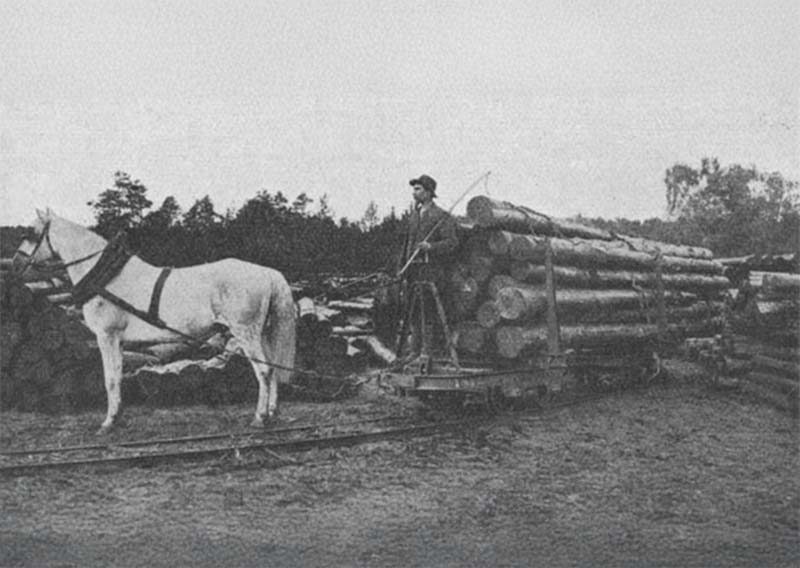
Rathmor’s central forests have long been a source of wealth and tradition. Oak, ash, and pine once blanketed the hills, providing timber for everything from cottages to ships.
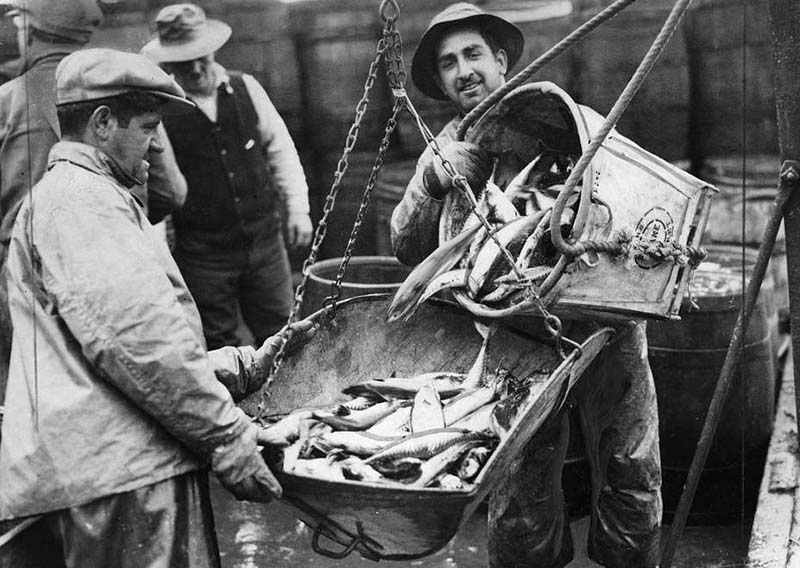
Mackerel fishing thrives in summer, when shoals chase smaller fish close to shore. They are caught with handlines or drift nets, their shimmering green-blue bodies often described in local lore as “the jewels of the sea.”
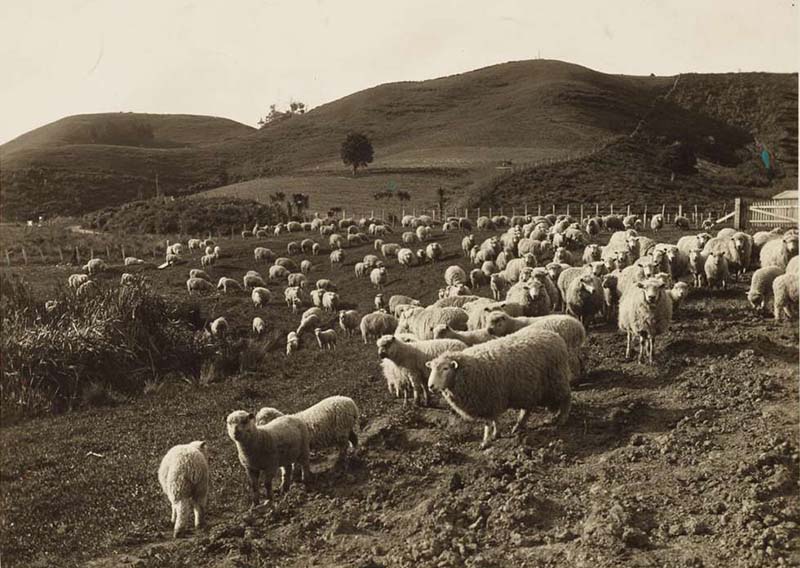
The windswept hills of Little rathmor have never been kind to crops, but sheep have thrived there since the earliest settlements.
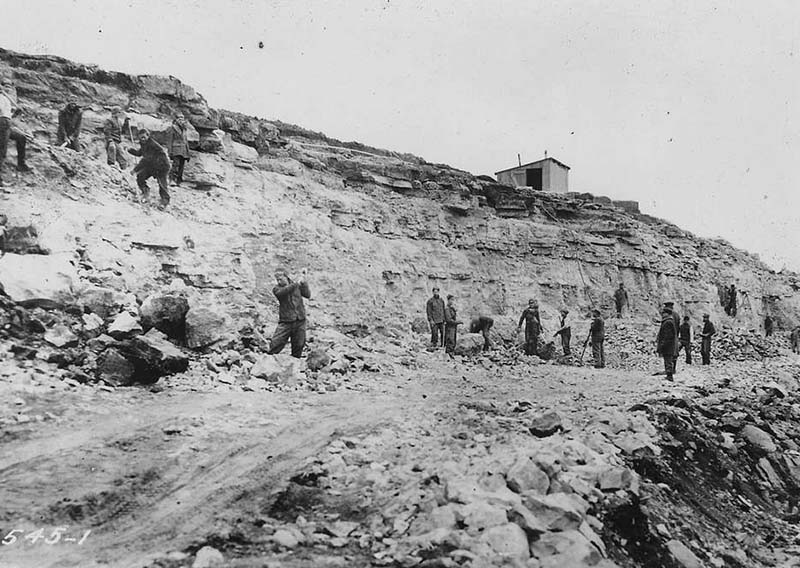
For centuries, quarrymen have hewn this stone from the island’s cliffs and uplands, sending block after block to the harbours where waiting ships bore it to distant shores.
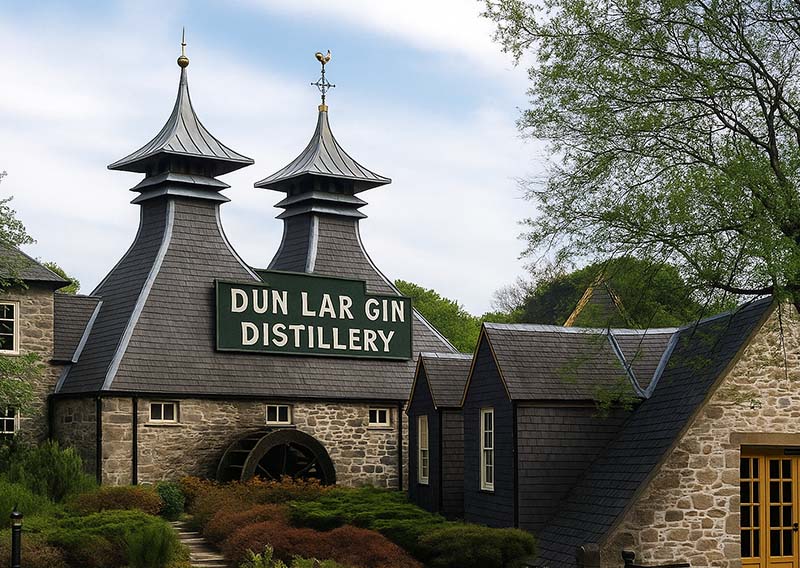
On the southern edge of Little Rathmor, where the fortress town of Dun Lar looks out across The Straights, lies one of the islands’ most celebrated industries – the gin distillery that produces the world-renowned Rathmor Gin.
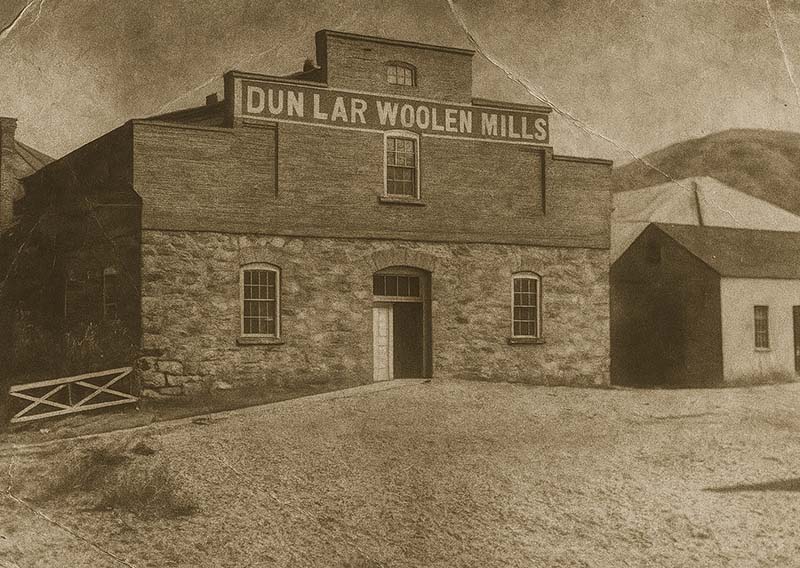
The most famous product of Dun Lar’s mills is the “Rathmor Gansey,” a garment woven to withstand the relentless gales and salt spray of the seas around the islands.